 Add Row
  Add
Add 


Did you know? The Tennessee Valley issued building permits for over 16,000 new housing units in the past year—outpacing nearly every region of its size across the Southeast
Unveiling the Top Areas for Residential Development: An Introduction
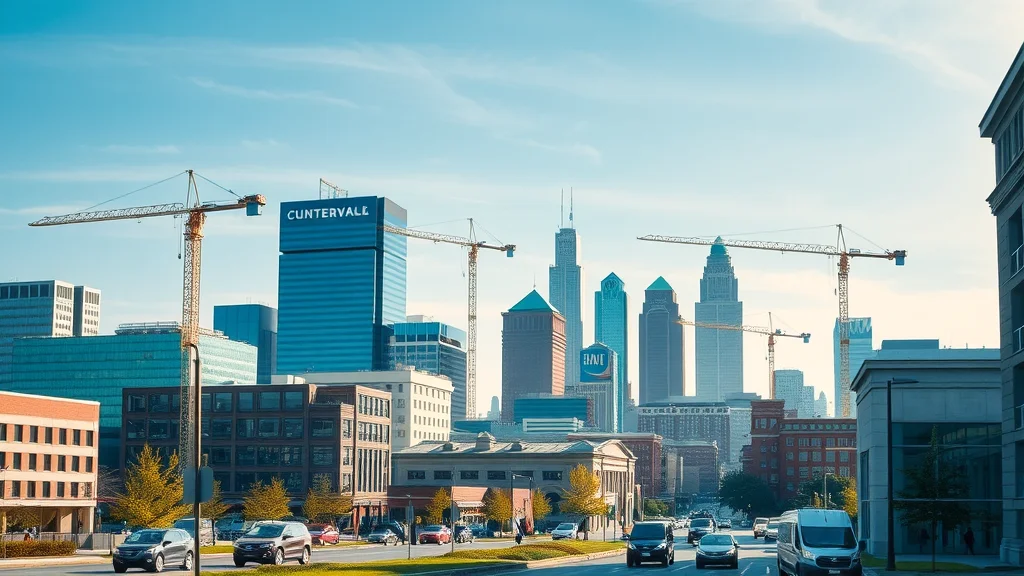
Across the Tennessee Valley, the housing market is undergoing rapid transformation. New neighborhoods are springing up, downtown districts are seeing life again, and larger metro areas are adapting to a sustained surge in demand for housing. From technology-driven job creation in Huntsville to the revitalization of Chattanooga’s riverfront, each community plays a unique role within the region’s real estate ecosystem. For those considering buying, building, or estate investing, understanding the top areas for residential development is more important than ever.
This guide offers locally-grounded, expertly researched insights into markets including Huntsville, Birmingham, Florence, Athens, Decatur, Murfreesboro, and more. Whether you’re a first-time homebuyer, an active investor, a developer, or seeking the perfect spot to retire, you’ll find actionable information on the best places to look, grounded in current market conditions and community trends. Let’s start by seeing what makes these Tennessee Valley neighborhoods so compelling.
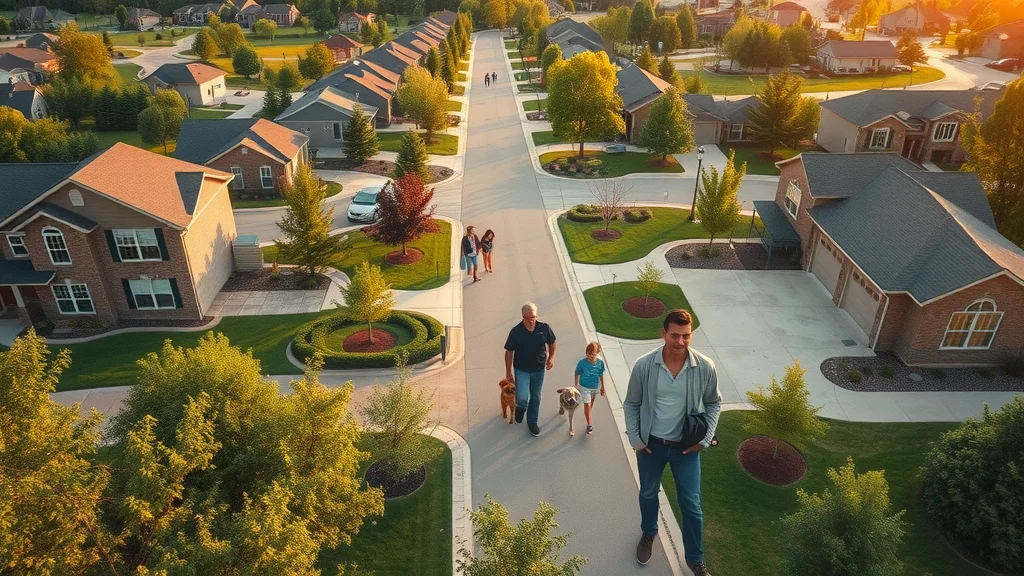
Startling Growth: How the Housing Market in the Tennessee Valley is Shaping Residential Landscapes
Over the past decade, the Tennessee Valley has evolved into a magnet for people seeking opportunity, community, and value. Major cities like Huntsville and Chattanooga consistently report annual population growth exceeding 2%, driving extraordinary demand for new homes and stimulating a wave of home construction. The region’s appealing mix of affordable home prices, robust job markets, and diverse lifestyle amenities have transformed its real estate market into one of the Southeast’s most sought-after.
Key drivers fueling this boom include the arrival of tech campuses, expansion of defense and aerospace industries, and the revitalization of historic downtown districts. These trends not only spark residential development but also create ripple effects in construction, retail, and public services across metro areas. As newcomers flock to both established neighborhoods and up-and-coming communities, the landscape is shifting fast—making it crucial for buyers and investors to stay ahead of the curve.
What You'll Learn About Top Areas for Residential Development
- How local economic trends drive the top areas for residential development
- The influence of population shifts on the housing market
- Key factors real estate investors and homebuyers should know
- Ranking criteria behind the top spots for home construction
Table: Snapshot of the Top Areas for Residential Development in the Tennessee Valley
| Area | Major City | Growth Rate | Median Home Price | Real Estate Investment Index | Population Trends |
|---|---|---|---|---|---|
| Huntsville | Huntsville, AL | 2.3% | $325,000 | High | Rapidly increasing, tech-driven |
| Chattanooga | Chattanooga, TN | 1.8% | $285,000 | High | Steady, urban influx |
| Birmingham | Birmingham, AL | 1.5% | $265,000 | Moderate | Gradual upward trend |
| Florence & The Shoals | Florence, AL | 1.2% | $220,000 | Moderate | Family-driven, retirees |
| Decatur | Decatur, AL | 1.0% | $205,000 | Emerging | Industry-fueled |
| Athens & Madison | Athens, AL | 2.1% | $295,000 | High | Suburban growth |
| Murfreesboro & Rutherford County | Murfreesboro, TN | 2.4% | $320,000 | High | Among fastest-growing |
| Gadsden & Etowah County | Gadsden, AL | 0.7% | $155,000 | Affordable | Modest but steady |
| Cleveland | Cleveland, TN | 1.3% | $230,000 | Emerging | Quiet, upward shift |
| Fort Payne & DeKalb County | Fort Payne, AL | 0.8% | $190,000 | Moderate | Outdoor-lifestyle driven |
How We Ranked the Top Areas for Residential Development in the Tennessee Valley

Factors Considered: Real Estate, Demographics, and Market Resilience
To identify the top areas for residential development, we evaluated a balanced mix of economic, demographic, and market resilience indicators. Our process considered building permits issued, sustained job market expansion, population growth rates, vacancy trends, local amenities, and access to quality schools—factors that drive both demand for housing and the value of new development. We also accounted for historic resilience against downturns (such as the Great Recession), the presence of major employers, and overall cost of living relative to regional averages.
We relied on data from the U.S. Census Bureau, real estate market analyses, and local economic development reports. Our approach weights building permit trends, neighborhood investment activity, and community survey results, ensuring a fair and up-to-date snapshot. The final rankings reflect an intersection of opportunity, risk, and livability, prioritizing areas likely to offer both strong lifestyle benefits and long-term estate investment potential.
Expert Insights: Local Leaders and Developers on Home Construction Trends
"We’re seeing unprecedented demand in markets like Huntsville and Chattanooga—where innovation and job growth coincide with quality of life enhancements." – Regional Realtor & Market Analyst
Interviews with regional real estate developers consistently highlighted the impact of technology and healthcare sectors in fostering robust new home construction pipelines. These experts pointed to flexible zoning, public-private partnerships, and a favorable regulatory climate as accelerators. The consensus: strong population inflows, diverse career opportunities, and community amenities mean today’s housing market is not only larger, but more resilient and dynamic than at any point in the past twenty years.
1. Huntsville, Alabama: A Powerhouse in the Housing Market for Residential Development
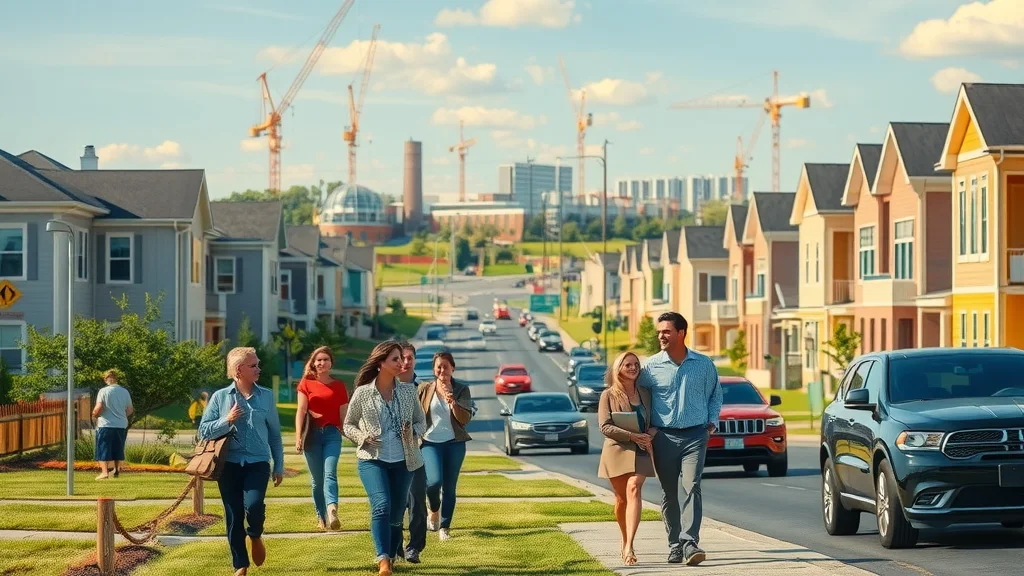
Tech-Driven Growth: How Real Estate Investment Responds to New Industries
Huntsville stands atop our list for top areas for residential development, and with good reason. Dubbed “The Rocket City,” its population has nearly doubled since 2000—driven by a tech boom, thriving aerospace sector, and major federal employers like NASA and the Redstone Arsenal. This unique economic engine exerts a profound impact on the housing market, fueling not only steady home construction but also escalating median home prices in desirable neighborhoods.
The result? Robust demand for a diversity of housing—from sleek downtown condos to spacious single-family homes in the suburbs
Neighborhood Hotspots in Home Construction
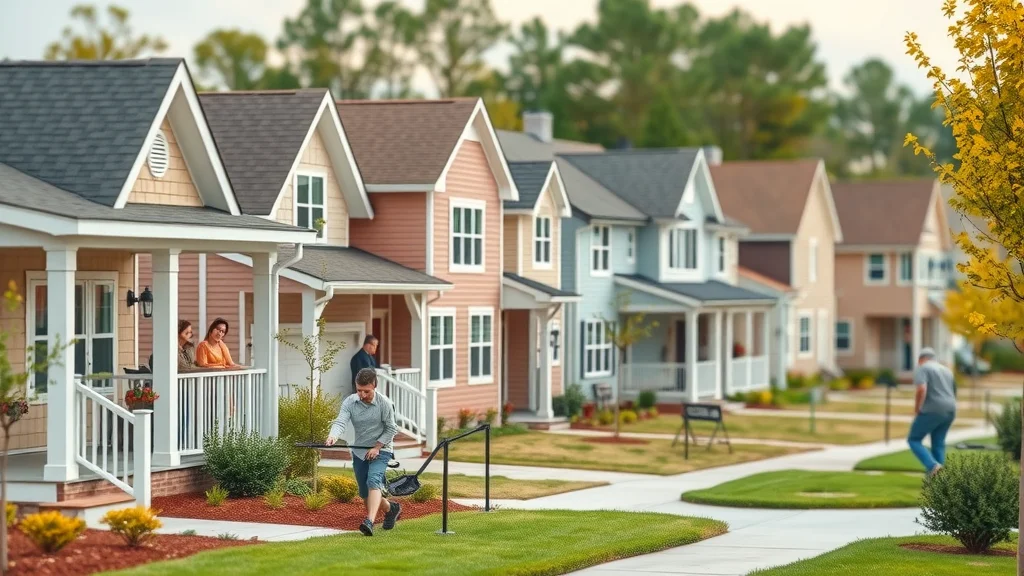
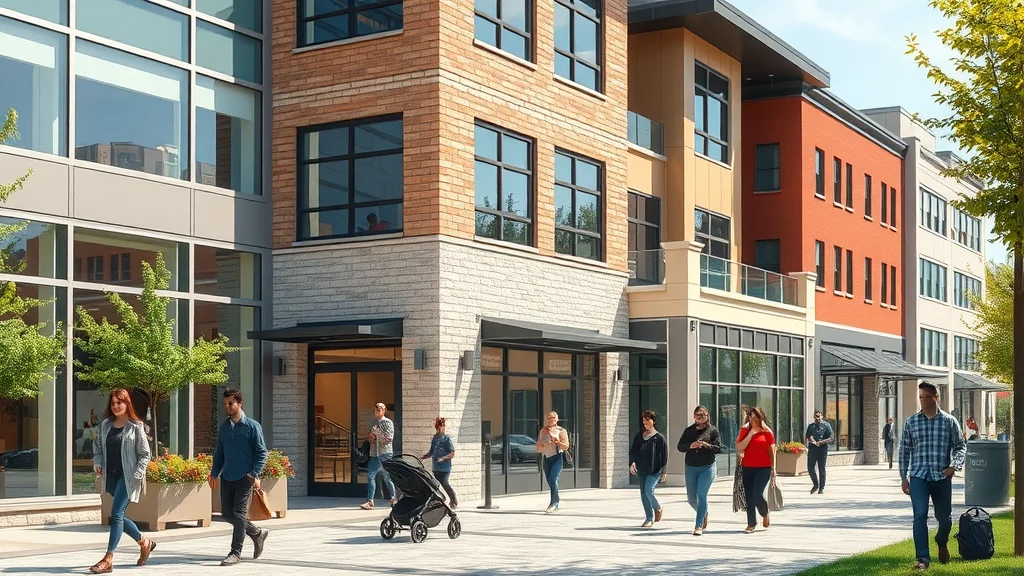
The city’s most dynamic residential development zones include Research Park, the Village of Providence, and South Huntsville. These areas combine walkability, proximity to job centers, and diverse housing units, catering to young professionals, growing families, and relocating executives alike. The pace of building permits issued has doubled in the past five years, and the most active developers are integrating green spaces, technology infrastructure, and local retail into new subdivisions—a blueprint for sustainable suburban growth.
New arrivals should also watch for “infill” projects restoring older neighborhoods like Five Points, which blend historic charm with modern amenities and quick commuter access to Downtown Huntsville. Whether you’re a first-time homebuyer or a seasoned estate investor, Huntsville’s spectrum of communities offers opportunity for every lifestyle and budget.
Huntsville's Demographic and Economic Drivers
Key to Huntsville’s sustained housing market acceleration are its demographic trends. The average resident is highly educated, with a robust pipeline of STEM graduates from the University of Alabama in Huntsville and surrounding colleges. The cost of living remains below national urban averages, while local employers offer competitive salaries—further buttressing the demand for new family homes. This intersection of affordable living, career opportunity, and innovation makes Huntsville a top prospect for real estate investment and home ownership.
Looking ahead, city planners forecast continued population growth—particularly in northwest and southeast neighborhoods, where new infrastructure investment will support thousands of additional housing units by 2030. For buyers and estate developers, Huntsville’s trajectory remains undeniably upward.
2. Chattanooga, Tennessee: Smart Growth and Estate Investment Opportunities
Downtown Revitalization and the Housing Market Boom

Chattanooga offers a textbook example of urban transformation. Once struggling, the city’s downtown now buzzes with new development, art spaces, waterfront trails, and thriving restaurants. Demand for housing units has soared as tech companies and logistics firms establish Southeast headquarters, luring talent from nearby metro areas. Real estate developers note that downtown revitalization has spurred a parallel housing boom, with building permits issued for both luxury condos and affordable multi-family dwellings.
Economic growth, proximity to major highways, and Tennessee’s favorable tax policies continue to attract families and young professionals alike. For estate investment, Chattanooga’s resurgence offers accessible entry points for rental properties, fix-and-flip projects, and new construction—each buoyed by the city’s growing reputation as an innovation hub.
Sustainable Design in New Home Construction
Chattanooga is setting regional trends with an emphasis on green building and sustainable design. Many new home construction projects now integrate high-efficiency HVAC, solar-ready roofs, smart home automation, and communal green spaces. Developers find that buyers increasingly expect technology-driven amenities and energy savings, and neighborhoods with these features command a premium in the local real estate market.
The city’s focus on walkability, accessible public transit, and a vibrant arts scene make it a perennial favorite for both family home buyers and investors. Chattanooga’s housing market reflects a powerful synthesis of livability, innovation, and long-term growth—a winning formula for the next decade.
3. Birmingham, Alabama: Reshaping Real Estate through Diverse Development
Urban Infill and the Rise of Multi-Family Home Construction
Birmingham’s real estate market is in the midst of a reawakening, led by a surge in urban infill and multi-family construction. City planners and estate developers are transforming former industrial zones and underused parcels into vibrant mixed-use communities. These developments offer flexible living options, from modern apartments to restored townhomes—a shift that has drawn both young professionals and downsizing retirees back into the city core.
Building permits issued for multi-family units increased 35% last year, driven by both public-private partnerships and a large influx of new residents seeking walkable urban amenities. For those searching for high-yield estate investment, Birmingham offers surprisingly affordable entry compared to larger metro areas, yet delivers strong rental demand and consistent appreciation.
Investment Potential in Birmingham’s Surging Housing Market
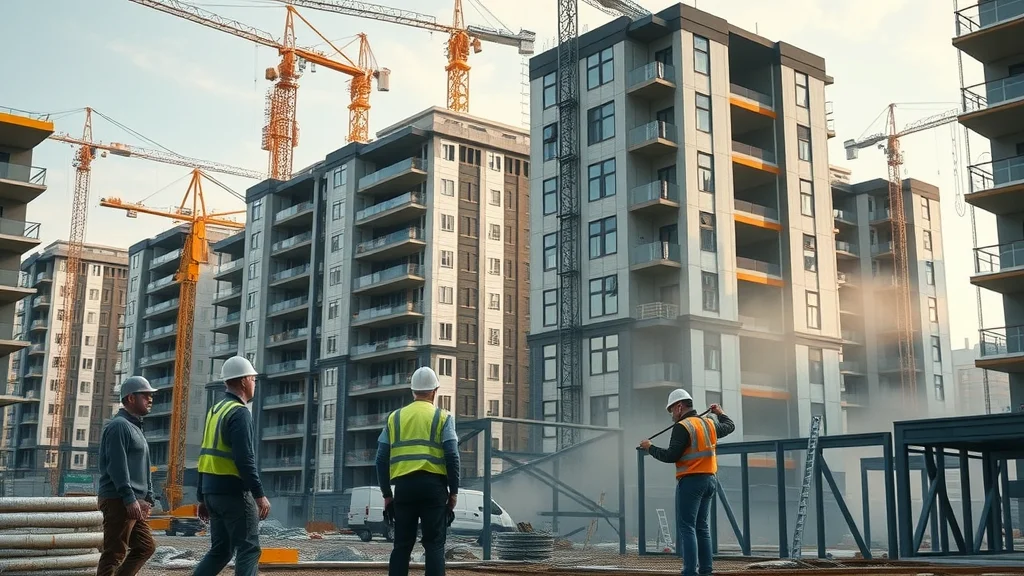
Investors are increasingly drawn by the city’s balanced combination of a steady job market, competitive home prices, and progressive local policy. Neighborhoods like Avondale, Lakeview, and Parkside have become magnets for young families and creative professionals, spawning an ecosystem of cafes, breweries, and co-working spaces. Smart money is targeting both value-added apartment projects and single-family homes in walkable districts.
The post-pandemic era has sparked a notable migration into Birmingham’s urban core. For buyers, relatively low prices and diverse housing options are clear advantages. For estate developers and investors, the market offers ample room for growth, bolstered by infrastructure projects and a cooperative municipal government eager to revitalize once-underutilized areas.
4. Florence and the Shoals: Small-Town Appeal Meets Big Real Estate Ambitions
Community Amenities and Their Impact on Residential Development
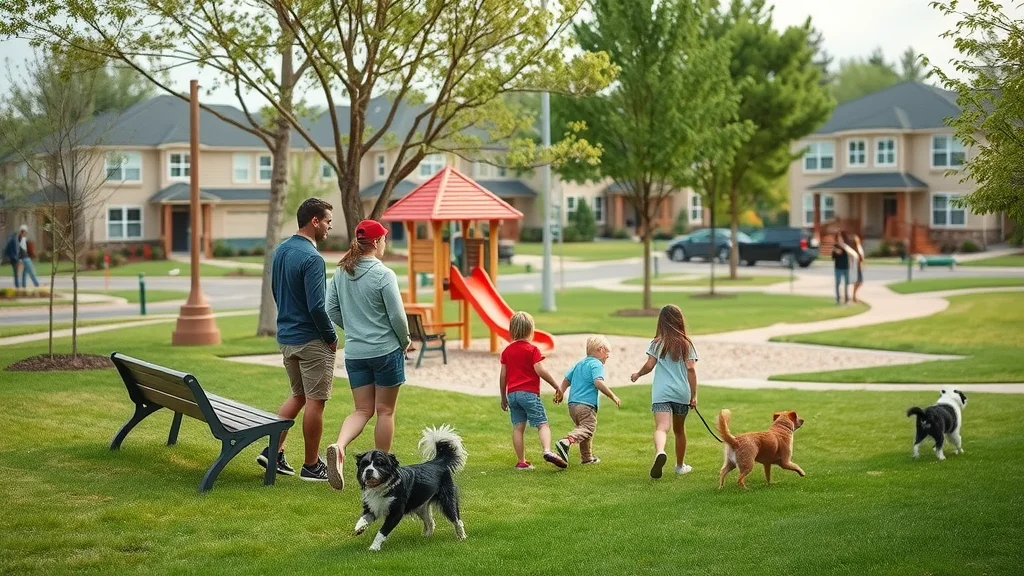
Florence and the Shoals region offer the perfect blend of small-town charm and ambition for growth. Long prized for its quality public schools, scenic riverfront parks, and music heritage, Florence’s real estate market is seeing a fresh wave of investment. New subdivisions with integrated parks, walking trails, and family-centric amenities are drawing both second-home buyers and new permanent residents—especially from larger metro areas.
Convenient commutes to regional employment centers, a growing arts and culinary scene, and affordable home prices make this area a sleeper hit for home construction in the Tennessee Valley. Local governments are working closely with estate developers to maintain green space and manage traffic, preserving the relaxed pace and high quality of life that define the Shoals.
Affordability and Lifestyle in Home Construction Decisions
The lower cost of living and smaller average home prices in Florence offer accessibility for a wider spectrum of buyers—including first-time homeowners and downsizers. Realtors report a growing demand for single-family homes close to shopping, schools, and medical services. Meanwhile, estate developers are experimenting with more compact neighborhood layouts and options for multi-generational living.
For investors, Florence combines stable appreciation with manageable entry costs. Lifestyle seekers can build or buy a new home for significantly less than in nearby cities, while still enjoying all the benefits of a close-knit community and the natural beauty of the Tennessee River.
5. Decatur, Alabama: Industrial Growth and Housing Market Expansion
Workforce Migration and Its Effect on Real Estate
As one of Alabama’s most strategically located industrial hubs, Decatur is experiencing rapid transformation spurred by advanced manufacturing, logistics, and tech-related sectors. The influx of workers has created a spike in demand for both rental and owner-occupied family homes, leading the city to launch numerous new residential development projects near major employment nodes and the riverfront.
The robust job market and relatively low median home price position Decatur as a strong value play for both buyers and investors. Building permits issued have nearly doubled over five years, and city officials are working with estate developers to ensure new neighborhoods are equipped with smart infrastructure and recreational amenities, catering to the needs of an increasingly mobile and tech-savvy workforce.
Top Neighborhoods for New Home Construction

The most in-demand neighborhoods for new home construction include Southwest Decatur, Priceville, and burgeoning areas along the Tennessee River. These districts offer a mix of newly built traditional homes, craftsman-style designs, and affordable townhomes—broadening housing choices for families of all sizes.
Decatur’s proximity to Huntsville and central location allow commuters to balance career opportunities with the perks of a smaller city. As more industries expand into Decatur and demand for housing units grows, estate investment will likely continue on an upward trajectory.
6. Athens & Madison, Alabama: High Demand in Family-Friendly Communities
School Quality and Long-Term Real Estate Investment

Athens and Madison have consistently ranked among Alabama’s best places to live, thanks in large part to their high-performing school districts and thoughtful urban planning. Both towns are seeing robust population growth—often in the form of families relocating from larger metro areas seeking excellent education and a safe community.
For real estate investment, these family-friendly suburbs offer impressive long-term value. Median home prices have risen steadily as home construction keeps pace with demand. Estate developers are introducing new-build options with cutting-edge sustainability features and recreational facilities, further enhancing neighborhood appeal.
Population Growth and Modern Home Construction Trends
The Athens and Madison housing markets are defined by dynamic demographic shifts. Both cities have embraced “smart growth” policies—encouraging walkability, connectivity, and multi-use community spaces. Builders are responding with designs that prioritize natural light, home offices, and energy efficiency.
As these suburbs grow, opportunities abound for buyers, especially those looking for long-term appreciation and low risk. Demand remains robust for both entry-level and luxury family homes, making these towns top choices for new residents and estate investors alike.
7. Murfreesboro & Rutherford County, Tennessee: Fastest-Growing Destinations
New Home Construction and Strategic Real Estate Expansion
Consistently ranked among America’s fastest-growing cities, Murfreesboro and the broader Rutherford County area exemplify the explosive demand for home construction in the Tennessee Valley. With a vibrant downtown, award-winning schools, and a business-friendly environment, the area appeals to both newcomers and lifelong residents. Building permit volumes are among the highest in the region, as developers race to meet surging demand.
The county’s strategic planning and infrastructure investments have paved the way for a mix of single-family subdivisions, contemporary condos, and mixed-use projects, offering opportunities for every type of estate investor, from those seeking affordable entry points to those targeting luxury and executive housing markets.
Commuter Advantage: Proximity to Nashville and the Housing Market Surge
One of Murfreesboro’s greatest assets is its proximity to Nashville—just 35 minutes away by car. This convenient commute expands employment options while allowing families to enjoy the lower cost of living and relaxed lifestyle of a suburban community. The city’s reputation for academic excellence and cultural amenities only add to its draw.
For estate developers and buyers, the result is a highly liquid market—characterized by rapid sales, resilient home prices, and abundant prospects. Whether you seek buy-and-hold rental properties, new builds, or move-in ready homes, Murfreesboro and Rutherford County rank among the region’s premier destinations for real estate investment.
8. Gadsden & Etowah County: Affordable Potential for Estate Investment
Downtown Renewal and Housing Market Activity
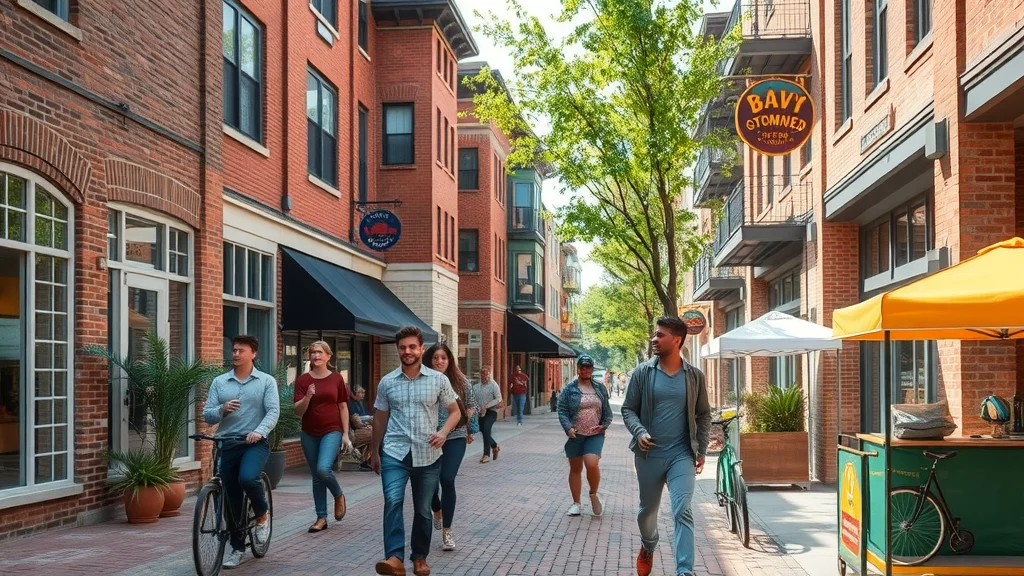
Gadsden, long known for its historic downtown and scenic river views, is experiencing a new era of real estate revitalization. The influx of new businesses, upgraded city parks, and infrastructure improvements are injecting fresh energy into both its housing and economic markets.
Building permits have climbed steadily, as more people—especially first-time homebuyers and affording investors—recognize the value of Gadsden’s affordable home prices and accessible neighborhoods. The ongoing downtown renewal is also encouraging young professionals to move in, bringing with them higher standards for amenities and quality of life.
Accessible Home Construction Entry Points
Gadsden and broader Etowah County stand out for attainable home ownership with average home prices well below Tennessee Valley norms. Estate developers are focusing on both modernizing existing housing units and launching new construction on former industrial lots.
The area’s central location and manageable commute times to Birmingham, Chattanooga, and Huntsville provide strong economic and employment advantages. For investors and homebuyers seeking a lower barrier to entry—without sacrificing potential for appreciation—Gadsden represents a compelling choice among the top areas for residential development.
9. Cleveland, Tennessee: Quiet Growth and Sudden Opportunity in Real Estate
Emerging Neighborhoods for Residential Development
Cleveland has emerged as an underrated contender in the Tennessee Valley’s real estate scene. With a diverse economic base—ranging from manufacturing to healthcare—and a steadily rising population, Cleveland offers affordable opportunities for both traditional buyers and estate investors. New residential development spans everything from family-friendly subdivisions to custom home enclaves along the Hiwassee River.
The city’s stable employment prospects, quality schools, and outdoor recreation options continue to attract a cross-section of buyers, including young families and retirees. As more people discover Cleveland’s blend of small-city intimacy and regional convenience, demand for new housing units is projected to accelerate further.
Future Outlook for Real Estate Investment
Forward-looking estate developers are already acquiring land in Cleveland’s north and east corridors, foreseeing strong appreciation over the next ten years. Nearby commercial corridor improvements, planned highway expansions, and a surging regional housing market are likely to propel more growth. For both buyers seeking quiet stability and investors looking for early-stage returns, Cleveland rates high among the top areas for residential development.
Coupled with low property taxes and friendly municipal leadership, Cleveland’s trajectory looks increasingly bright for those willing to invest now while prices remain accessible.
10. Fort Payne & DeKalb County: Scenic Living with Home Construction Upside
The Appeal of Outdoor Amenities in Housing Markets
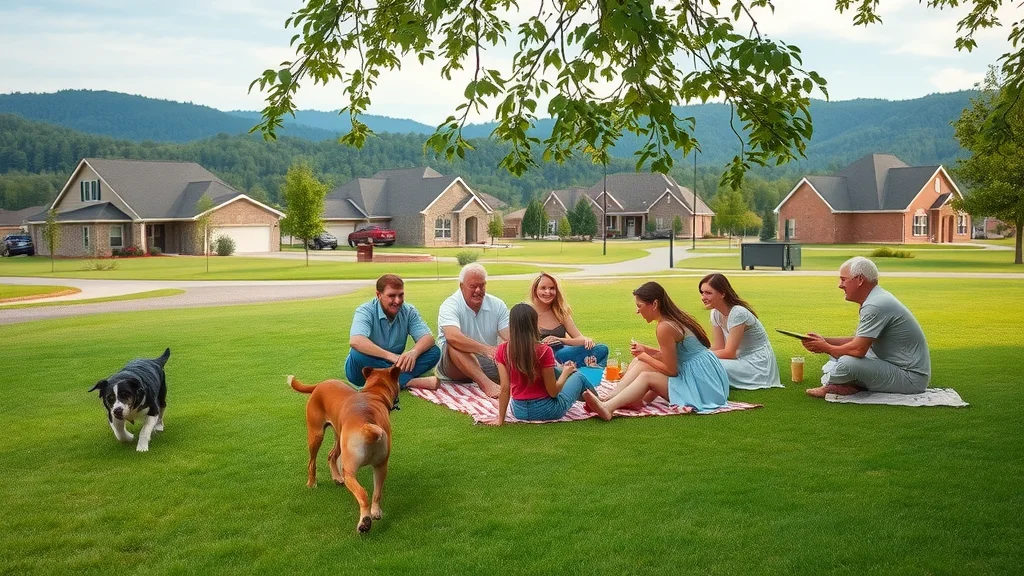
Fort Payne, nestled among the foothills of the southern Appalachians, has carved out a reputation as a destination for nature lovers and outdoor enthusiasts. This abundance of parks, trails, and greenways is a powerful draw for both homebuyers and estate developers, with many new home construction projects emphasizing access to green space and panoramic mountain views.
Residential growth in DeKalb County is modest but steady—a testament to families and retirees seeking to trade urban congestion for roomier lots, safer neighborhoods, and a close-knit community atmosphere. The local real estate market is seeing a gradual uptick as remote work options and an emphasis on walkable, outdoor-focused lifestyles widen the city’s appeal.
Real Estate Values and Projected Growth
Despite its rural character, Fort Payne’s cost of living remains accessible, and the median home price is among the lowest on our list. New luxury developments, eco-friendly homes, and commuter-friendly neighborhoods hint at a new chapter of growth and diversification.
Savvy estate investors and homebuyers should watch the next round of infrastructure projects and commercial investments, as these will support further appreciation. For those who want a balance between value, natural beauty, and a high quality of life, Fort Payne is a strong contender among today’s top areas for residential development.
Emerging Trends in the Housing Market: What New Homebuyers and Investors Should Watch
Smart Technologies in Home Construction Across the Tennessee Valley
As technology continues to reshape daily life, Tennessee Valley estate developers are rapidly integrating smart technologies into new home construction. Features such as programmable thermostats, energy-efficient appliances, advanced security systems, and high-speed internet connectivity are no longer luxuries, but standard expectations in most top areas for residential development.
This shift is also fueling demand for flexible design: home offices, open layouts, and adaptable spaces suited to remote work and modern family life. Eco-friendly trends—like low-flow plumbing, solar panels, and sustainable building materials—are also gaining traction, particularly as buyers prioritize lower utility costs and higher resale value.
Population Migration and Regional Real Estate Investment Strategies
Population migration, fueled by employment shifts and evolving lifestyle preferences, remains a driving force in the Tennessee Valley housing market. Cities with a proven track record of job growth and affordable, diverse housing—such as Huntsville, Murfreesboro, and Florence—are poised to attract even more new residents by 2026 and beyond.
- Technology-driven construction innovations
- Eco-friendly housing trends
- Strategic estate investment opportunities
For both homebuyers and investors, the key is understanding where growth is most sustainable and which communities offer the best balance of affordability, amenities, and professional opportunity. Regional real estate markets with strong fundamentals are likely to outperform the broader Southeast, especially as more people rethink where—and how—they want to live.
Drone tour and interviews with residents and developers in a leading Huntsville neighborhood, showing new home construction, community parks, and tech campuses.
Exclusive roundtable discussion with local estate developers, planners, and real estate market analysts about the future of home construction and residential development across the Tennessee Valley.
People Also Ask: Exploring the Top Areas for Residential Development
What is the 3 3 3 rule in real estate?
The 3 3 3 rule in real estate provides guidance for evaluating property deals: spend no more than three minutes screening a property, three hours analyzing it, and three days completing due diligence before making a decision. This method supports efficiency in fast-moving housing markets.
What cities will grow in the next 10 years?
National forecasts indicate cities like Huntsville, Murfreesboro, and Chattanooga are among those expected to see significant population and economic growth over the next decade. These trends help define today’s top areas for residential development.
What is the most profitable area of real estate?
In the current Tennessee Valley climate, the most profitable areas of real estate are frequently those with strong population growth, robust economies, and ongoing job creation—such as Huntsville, Madison, and Chattanooga. Successful estate investment often involves tracking these dynamics.
Where are people moving to in 2026?
Early indicators show a migration trend towards regional secondary cities in the Southeast, with the Tennessee Valley—specifically Huntsville, Florence, and Murfreesboro—remaining highly attractive for new residents due to affordability, amenities, and employment opportunities, sustaining these locales as top areas for residential development.
Key Takeaways from the Top Areas for Residential Development Across the Tennessee Valley
- Economic and employment trends are fueling targeted home construction
- Affordability and quality of life drive strong real estate investment
- Smart growth and planning continue to shape the future of the housing market in every highlighted area
Deciding Where to Go Next: Resources for Real Estate Investment and Homebuyers
Whether you’re ready to purchase your first home, build an investment portfolio, or explore relocation options, local real estate agents, municipal planning offices, and regional economic councils offer a wealth of information. Take advantage of homebuyer workshops, market data reports, and neighborhood tours to get a true sense of each area’s unique opportunities and challenges. Smart, well-informed decisions start with trusted, locally grounded guidance.
FAQs: Top Areas for Residential Development
What are the primary indicators of a strong housing market in the Tennessee Valley?
Primary indicators include population growth, rising job opportunities, an increase in building permits issued, robust new home construction, and sustained demand for both rentals and owner-occupied homes. Additional factors include quality schools, infrastructure improvements, and a healthy balance of supply and demand in the local real estate market.
How can real estate investors assess neighborhood growth potential?
Investors should analyze trends in building permits, recent home price appreciation, the arrival of new businesses, upgrades to community amenities, and shifts in local population dynamics. Reviewing municipal development plans and talking to experienced local real estate developers can also provide valuable insight into future growth prospects and possible opportunities for estate investment.
Where do luxury buyers find the best opportunities for estate investment?
Luxury buyers in the Tennessee Valley often target rapidly growing suburbs like Madison, Athens, and Rutherford County, as well as revitalized urban districts in Huntsville and Chattanooga. These areas feature new custom homes, upscale community amenities, excellent schools, and high resale potential—all factors that appeal to those seeking both lifestyle and investment value.
How is new home construction adapting to changing demographics?
New home construction is adapting by offering more flexible floorplans, incorporating energy efficiency and smart technology, designing for remote work needs (including home offices), and providing options for families, retirees, and multi-generational households. These adaptations ensure that developments remain relevant and appealing to the region’s diverse population.
For In-Depth Local Advice, Subscribe to The Tennessee Valley Insider Newsletter
Stay informed about market trends, new development projects, expert interviews, and community events—sign up for The Tennessee Valley Insider to receive trusted news and guidance for every step of your Tennessee Valley real estate journey.

Write A Comment