
"Did you know over 30% of new construction in the Tennessee Valley now features a mixed-use component—blending retail, residential, and office spaces within a single development? Mixed-use developments Tennessee Valley are not just a trend; they're fundamentally altering how people live and work across the region."
Mixed-use developments in the Tennessee Valley are rapidly changing the local landscape—in both visible and subtle ways. Once a region defined by separated residential neighborhoods, office parks, and suburban shopping centers, the Tennessee Valley now stands at the forefront of integrating living, working, and shopping in unified, vibrant spaces. This blend of retail space, residential units, and office environments not only brings new economic opportunities, but also transforms the daily rhythms, accessibility, and identities of communities across Huntsville, Chattanooga, Murfreesboro, and more. If you’re seeking to understand regional growth, homeownership trends, or business expansion in the Southeast, grasping the dynamics behind mixed-use developments Tennessee Valley is essential.
What You'll Learn About Mixed-Use Developments Tennessee Valley
- Key characteristics of mixed-use developments Tennessee Valley
- Economic and social impacts on local communities
- Challenges and opportunities for Williamson County and beyond
- Comparisons of major projects like Stephens Valley
- Insights from real estate and land development experts
Table: Key Mixed-Use Developments in Tennessee Valley
| Development Name | City | Key Components | Notable Retail Space | Completion Year |
|---|---|---|---|---|
| Stephens Valley | Nashville area | Residential, Retail, Office | Yes | 2023 |
| The Avenue | Murfreesboro | Retail, Dining, Office | Yes | 2019 |
| MidCity District | Huntsville | Residential, Retail, Entertainment | Yes | Ongoing |
Why Mixed-Use Developments Tennessee Valley Are Gaining Momentum
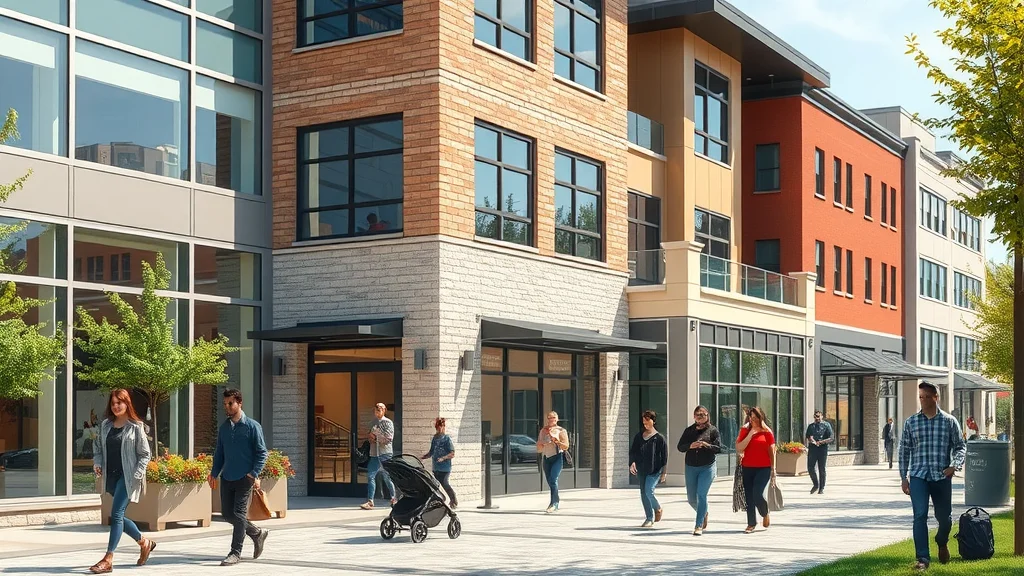
Mixed-use developments Tennessee Valley are steadily gaining traction due to several converging trends in land development, economic planning, and changing lifestyle demands. As populations in core cities and surrounding counties like Williamson County expand, traditional development plans—separating residential units, office spaces, and shopping centers—have often led to greater reliance on parking lots, traffic congestion, and limited walkability. The new wave of mixed-use projects represents a fundamental shift. Instead of spreading out, these acre mixed use development projects stack amenities and square feet of retail, housing, and workplaces within a single footprint. This approach creates interconnected ecosystems, reducing commutes and fostering stronger community engagement.
For real estate developers and investors in the Tennessee Valley, the inclusion of diverse components—like retail space, green spaces, residential development, and even office suites—creates appealing, sustainable neighborhoods. A preliminary master development plan, now common among both new and redeveloped areas, aims for harmony between the built environment and natural amenities, making communities more resilient against economic and social fluctuations. Notably, these projects also answer the demand for contemporary living: accessible shops, entertainment, and workspaces within walking distance of home. As a result, local city council discussions from Huntsville to Nashville increasingly feature proposals for mixed-use districts—an indicator of their widespread impact and lasting relevance.
Land Development Trends: Shifting Priorities and Urban Design
The evolution of land development in the Tennessee Valley signals a distinctive break from patterns set in previous decades. Traditionally, the master development plan for most cities prioritized zoned separation: retail over here, residences over there, and industrial or office parks located east or north of city centers. Today, city council committees and planning boards are reexamining this approach. Preliminary master development plans increasingly showcase compact community design clustered around central amenities—including green spaces, dining options, and shopping centers—rather than vast parking lots or distant subdivisions. Station Camp neighborhoods in Gallatin, for example, are embedding retail and residential units within the same acreage, supporting walkability and a more vibrant public life.
Key drivers behind this urban design shift include population growth, younger homebuyers' preference for lifestyle amenities, and infrastructural considerations. Developers also recognize that by blending residential development with feet of retail and commercial service options, they create flexible neighborhoods that withstand market cycles better than single-use zones. This strategy supports businesses, offers variety for residents, and encourages foot traffic—all results that reinforce the value proposition for investors, local government, and homebuyers alike. These priorities are evident in new communities located in the heart of both urban and suburban districts, where mixed-use developments foster renewed energy and a distinctive Tennessee Valley identity.
Economic Growth in the Tennessee Valley: The Role of Mixed-Use Projects
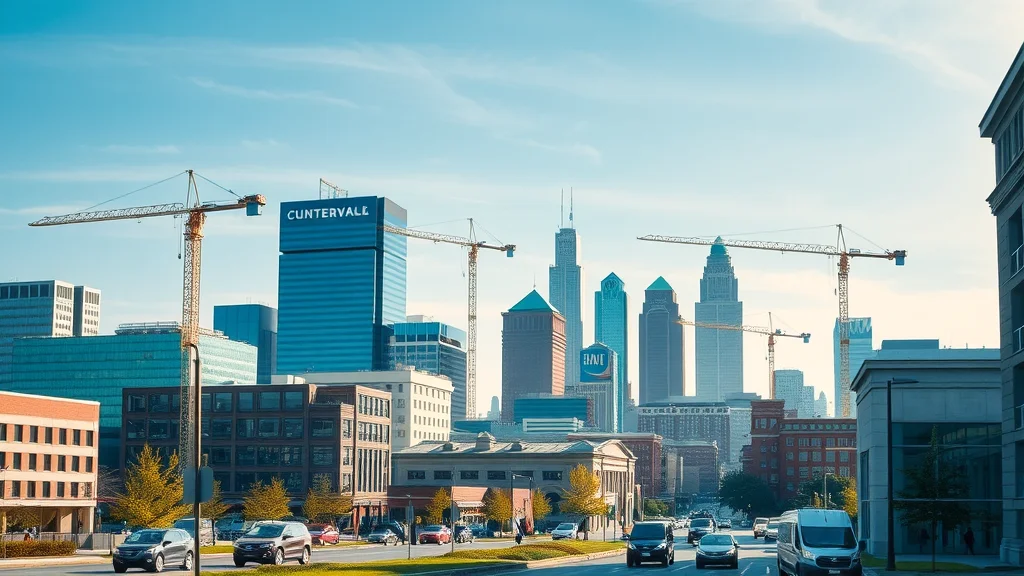
Mixed-use developments Tennessee Valley are powerful engines of economic growth and community revitalization. By combining square feet of retail, residential units, offices, and entertainment spaces, these projects create regions where daily life and commerce intersect. This model has spurred the transformation of once-underutilized areas—whether a shopping center located north of town or a station camp repurposed for apartment units, retail space, and new streetscapes. Success stories such as MidCity District in Huntsville and Stephens Valley near Nashville showcase how integrating diverse functions can attract job creators, increase property tax revenue, and broaden the appeal of surrounding neighborhoods.
The numbers speak volumes: developers routinely announce hundreds of thousands of additional square feet planned for mixed-use settings, with project sizes ranging from compact urban infill to expansive acre mixed use development plots. As local governments—such as those in Murfreesboro and Williamson County—adopt more master development plans built around this approach, the momentum is unlikely to slow. In addition to office jobs and retail opportunities, these developments enhance local labor markets by supporting hospitality, healthcare (including assisted living), and educational services within walkable distance. For the region’s economic future, mixed-use developments Tennessee Valley are more than trend; they are cornerstone investments.
The Stephens Valley and Williamson County Model for Mixed-Use Living
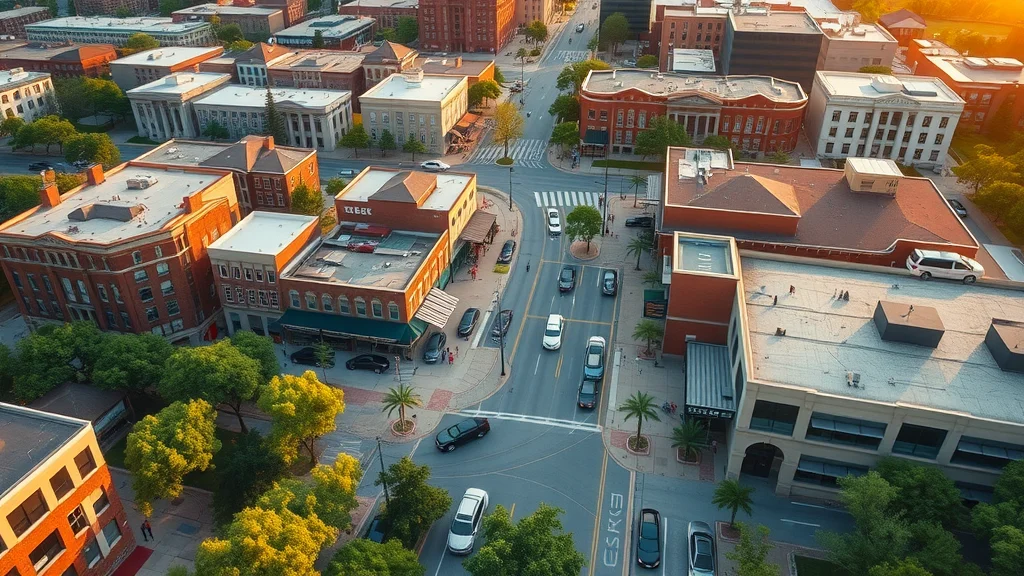
Stephens Valley, spanning significant acreage near the Nashville area, epitomizes the evolution of mixed-use developments Tennessee Valley. This project’s preliminary master development plan harmoniously integrates residential units, shopping spaces, dining, and commercial offices. Locally, it stands as a benchmark for future communities—both for what works and how collaborative land development can raise the standard for others in the region. In rapidly-growing Williamson County, similar projects are inspiring city council leaders to include more green spaces, retail space, and diverse residential units, all of which are reflected in development plans across Franklin, Brentwood, and Spring Hill.
The significance of the Williamson County approach lies in its careful balancing act. After breaking ground, developers prioritize both community input and architectural cohesion, ensuring that amenities include accessible plazas, pedestrian pathways, and essential services like grocery stores and healthcare. Moreover, a thoughtful blend of housing—from single-family homes to assisted living and luxury apartments—caters to residents at every stage of life. By studying how these developments shape their cities, The Tennessee Valley Insider has found that long-term resilience is often built into the DNA of key master development plans, making them worth closer examination by planners and investors alike.
Williamson County: Housing, Retail Space, and Community Engagement
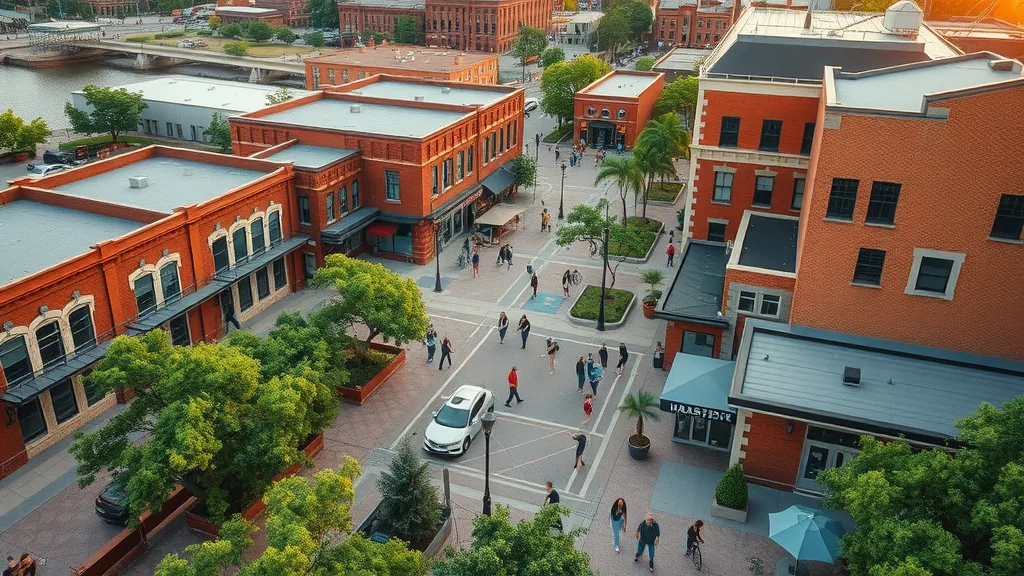
Williamson County’s best examples of mixed-use development feature not only a robust selection of feet of retail, dining, and office options, but also renewed emphasis on community engagement and interconnected open spaces. Residential development is closely coordinated with local school districts, health services, parks, and entertainment venues. In developments such as Stephens Valley, living quarters are located in the heart of well-landscaped surroundings, making access to shopping, socialization, and outdoor recreation nearly seamless and reducing the emphasis on traditional parking lots and long car commutes.
Local city council participation and input from homeowners have become central to each preliminary master development, ensuring that expansion is managed with an eye toward sustainability rather than unchecked sprawl. Residents frequently gather in community spaces—like green plazas and outdoor dining courtyards—to participate in the civic life of their neighborhood. Williamson County’s formula is increasingly serving as a model across the wider Tennessee Valley, as policymakers and citizens alike recognize the social and economic returns that mixed-use development plans deliver.
Case Study: How Stephens Valley Integrates Retail Space and Lifestyle
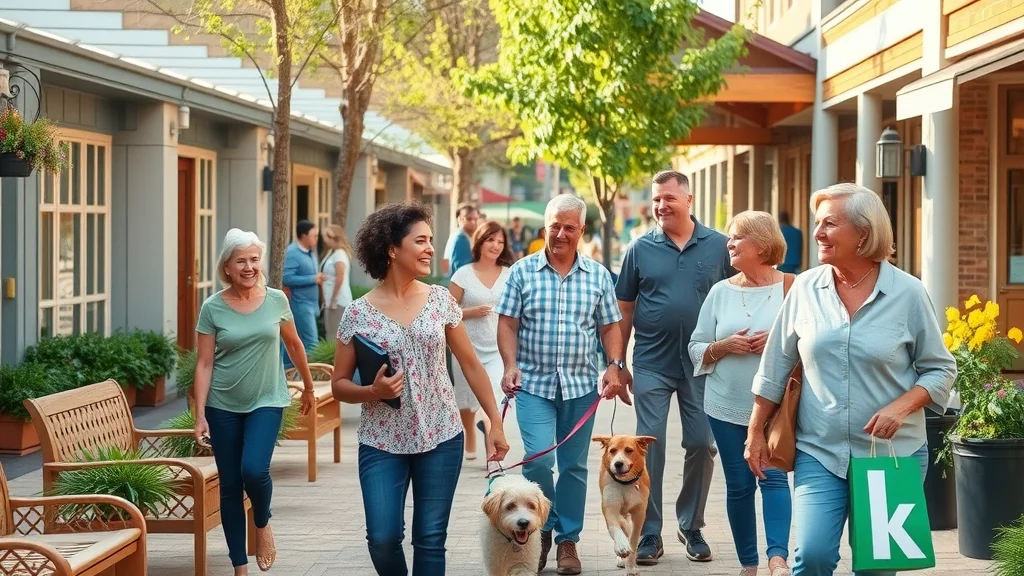
The Stephens Valley development stands out as a comprehensive case study for mixed-use developments Tennessee Valley, thanks to its integration of residential, retail, and recreation. Spanning hundreds of acres, the master development balances walkable streets, squares, and residential units with a wide array of service options. The retail space—anchored by boutique stores, cozy cafes, and local businesses—draws both residents and visitors, serving as a nucleus of daily life while increasing the area’s economic vibrancy. Its design principles ensure that amenities include outdoor gathering places and eventual expansion to additional services such as assisted living and wellness centers.
In keeping with the Tennessee Valley’s landscape, Stephens Valley’s preliminary master development plan incorporates green ribbons, bike trails, and communal parks, reinforcing the connection between nature and urban living. The development recognizes that homeownership trends are shifting: today’s buyers want not just proximity to shopping centers, but also a sense of community—places to meet neighbors, attend local markets, and participate in seasonal events. The area’s planners have worked alongside city council members and real estate professionals to ensure that Stephens Valley remains agile to changing market needs while preserving the distinctive charm that makes the Tennessee Valley attractive for relocation and investment.
Mixed-Use Developments Tennessee Valley: Impacts on Real Estate, Investment, and Quality of Life
The upsurge of mixed-use developments Tennessee Valley is having deep effects on real estate markets, investment prospects, and the overall quality of life for residents. As major projects break ground across the region, incorporating both residential units and commercial enterprises, they offer new models for sustainable growth. For investors and homebuyers alike, the presence of mixed-use communities can signal enhanced property values, predictable returns, and lifestyle amenities rarely found in single-use developments.
One of the central advantages is the resilience these neighborhoods demonstrate during market shifts: by not putting all economic eggs in one basket, developers create balanced communities that attract diverse demographics, including young professionals, families, empty nesters, and retirees. Attractive amenities, such as green spaces, on-site entertainment, and everyday conveniences, are part of the equation. City council and business leaders regularly cite these features in economic development sessions as evidence that the Tennessee Valley is keeping pace with metropolitan regions nationwide.
Attracting Investment and Boosting Local Workforce
Mixed-use developments Tennessee Valley are a magnet for both public and private investment. By clustering valuable square feet of retail, restaurants, and flexible office suites within walking distance of diverse housing options, these projects streamline daily life for the local workforce. As businesses favor settings with built-in live-work-play dynamics, major employers are increasingly targeting these districts for their Tennessee Valley operations. From startup incubators to major healthcare providers and tech companies, the ability to co-locate in dynamic, walkable neighborhoods adds practical value—making recruiting and retaining talent that much easier.
Additionally, the impact extends to small business owners who find foot traffic and new customer bases in these thriving districts. Local governments, meanwhile, benefit from increased property tax revenues and the ripple effects of a sustainable workforce. In sum, mixed-use investments fuel vibrant housing markets and drive job growth, making them central to the region’s ongoing economic evolution.

Influence on Housing Markets and Homeownership Trends
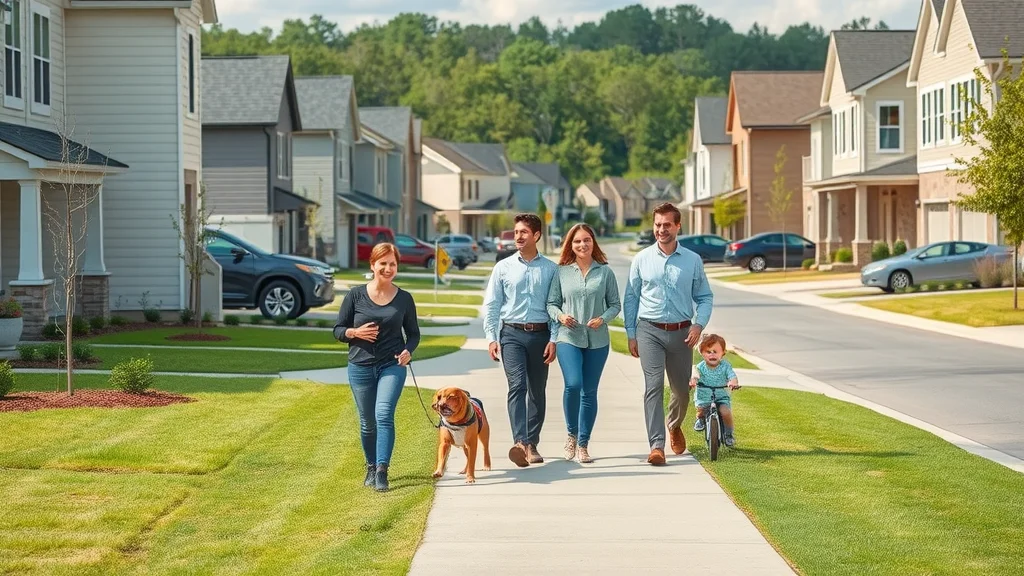
Mixed-use developments Tennessee Valley are influencing more than just local economies; they’re also reshaping homeownership trends, property values, and the way residents select communities. Unlike traditional neighborhoods where amenities might be located east or miles away, new developments position essential services, shopping, and recreation on-site. This has driven increased demand for residential development within mixed-use plans, as buyers now prefer environments offering connectivity, social opportunities, and everyday convenience. In fact, recent trends indicate that these projects can yield higher property values when compared to developments in isolated suburbs.
For renters, homeowners, and investors, the appeal lies in the diversity of available living arrangements, ranging from townhomes to luxury apartments and assisted living residences. Local city council and planning authorities view these developments as strategic tools for expanding much-needed housing inventory, providing affordable options, and resisting unchecked urban sprawl. When amenities include green spaces, recreational paths, grocery stores, and parking lots designed for shared use—rather than endless asphalt—they create more sustainable, enjoyable places to live. These factors are helping to set a new standard in how real estate is developed and experienced in the Tennessee Valley.
- Increased walkability
- Stronger sense of community
- Diverse retail and services on-site
- Enhanced lifestyle amenities
- Potential for higher property values
People Also Ask: Mixed-Use Developments Tennessee Valley
What is a mixed-use development, and why is it important in the Tennessee Valley?
A mixed-use development is a community design that integrates residential, retail, office, and sometimes recreational functions within the same district or property. In the Tennessee Valley, these developments are essential because they maximize land use, reduce the need for lengthy commutes, support local economies, and create vibrant, walkable neighborhoods suited to regional growth patterns and modern lifestyles.
How do mixed-use developments Tennessee Valley differ from traditional neighborhoods?
Unlike traditional neighborhoods, which usually separate homes, shopping, and workplaces into distinct areas often connected only by car-centric roads and expansive parking lots, mixed-use developments combine these elements into a cohesive district. Residents benefit from close proximity to retail, dining, offices, and green spaces, leading to stronger social connections, more efficient land use, and a higher quality of daily life in the Tennessee Valley.
What top examples of mixed-use developments are found in Huntsville, Birmingham, and Chattanooga?
In Huntsville, MidCity District is a leading example, offering a blend of residential units, entertainment venues, and innovative retail. Birmingham’s downtown revitalization features several mixed-use blocks combining historic buildings with new residential development. In Chattanooga, projects like Station Street and Market City Center illustrate how mixed-use planning can renew city cores and inspire further investment throughout the Tennessee Valley.
Challenges Facing Mixed-Use Developments Tennessee Valley
Even as mixed-use developments Tennessee Valley shape the future of regional lifestyles, they face notable challenges. Navigating zoning regulations, updating infrastructure, and addressing community opposition are ongoing hurdles for developers and municipal leaders. As these projects expand, tensions may arise around questions of density, parking, traffic, and the need to preserve the character of established neighborhoods while welcoming new investment and residents.
In addition, balancing short-term economic returns with long-term sustainability is a persistent point of discussion at city council tables and with residents alike. Ensuring that developments remain accessible, resilient to market shifts, and responsive to changing demographics requires vigilant planning, transparent decision-making, and a willingness to iterate on master development plans as needs evolve. The Tennessee Valley’s approach to these challenges will likely serve as a template for similar regions nationwide.
Zoning, Infrastructure, and Community Opposition
The path to successful mixed-use developments Tennessee Valley often begins with the regulatory landscape. Zoning codes, originally written for car-centric, single-use zones, may restrict or complicate the ability of developers to combine retail space, housing, and workplaces. Infrastructure—particularly transportation, water, and electrical systems—must be modernized to support denser, more interconnected communities. Occasionally, residents voice concerns about traffic increases, loss of open land, and changes to neighborhood character, leading to delays or modifications in the development plan.
Addressing these obstacles calls for collaboration among city council bodies, planning commissions, neighborhood associations, and development professionals. Open dialogue and genuine community engagement—as practiced in Williamson County’s preliminary master development plans—can help ensure buy-in, identify local priorities, and lay the groundwork for long-term project success.
Balancing Economic Growth With Long-Term Sustainability
While the economic advantages of mixed-use developments Tennessee Valley are clear, developers, policymakers, and residents alike must focus on incorporating sustainability into each master development plan. This means designing energy-efficient buildings, protecting green spaces, promoting walkability over reliance on parking lots, and fostering affordable housing options among premium units. The integration of green infrastructure, such as permeable sidewalks, rooftop gardens, and energy-saving systems, is beginning to spread across the region as a result.
At the strategic level, sustained investment in community assets, monitoring of housing market trends, and regular review of master development plans are vital for the long-term health of these districts. The Tennessee Valley's leadership in these efforts will continue to influence the future of mixed-use development nationwide.
Expert Quotes: Local Leaders Weigh In on Mixed-Use Developments Tennessee Valley
"Mixed-use developments Tennessee Valley are playing a pivotal role in redefining our communities. They offer economic opportunity and raise our standard of living." – Real Estate Professional, Huntsville
Frequently Asked Questions on Mixed-Use Developments Tennessee Valley
-
Can mixed-use developments Tennessee Valley accommodate affordable housing?
Yes. Many recent preliminary master development plans include a range of housing options, from market-rate units to dedicated affordable residences. By combining diverse housing types within the same neighborhood, these developments support economic diversity while providing amenities and access to services for all residents. -
What are common concerns for small business owners in these developments?
Small business owners appreciate built-in foot traffic and diverse customer bases but sometimes cite leasing costs, competition with larger retailers, and initial uncertainty about customer volume as primary concerns. Successful developments address this by offering flexible lease terms, active community events, and marketing support. -
How are traffic patterns affected by mixed-use projects?
Mixed-use developments Tennessee Valley are designed to reduce car dependence by supporting walking, biking, and local transit. While initial phases may impact traffic around major streets, long-term patterns generally show fewer car trips per household, more foot traffic, and safer, more connected streets thanks to integrated planning and updated infrastructure.
Key Takeaways: Mixed-Use Developments Tennessee Valley
- Mixed-use developments Tennessee Valley blend economy, lifestyle, and growth.
- Iconic projects like Stephens Valley and those in Williamson County set regional benchmarks.
- Success hinges on smart land development, inclusive planning, and sustained investment.
Understanding the Future: Mixed-Use Developments Tennessee Valley and Community Resilience
Looking ahead, the Tennessee Valley’s experiences with mixed-use developments offer a roadmap for regional resilience and competitiveness. By investing in adaptive master development plans, prioritizing integration of green spaces, and maintaining open dialogue among all stakeholders, these communities are setting standards other regions will increasingly follow. As the economic engine of the Southeast continues to run, the Tennessee Valley’s blend of tradition, innovation, and collaborative planning positions it well for a vibrant, enduring future.
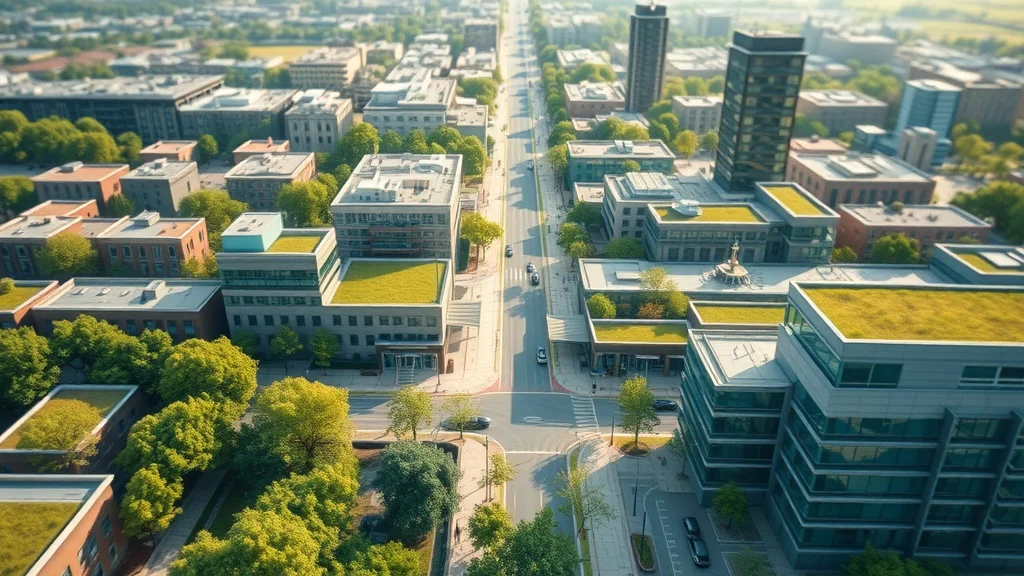
Looking Ahead: Explore Mixed-Use Developments Tennessee Valley in Your Community
Discover how mixed-use developments Tennessee Valley could reshape your neighborhood by engaging with city planning meetings, visiting active projects, and following regional news. Stay informed—and shape the region’s future—by exploring what these innovative communities have to offer right where you live.

Write A Comment