
Did you know: Over $4 billion in commercial property investments have reshaped Alabama and Tennessee in just the past three years? From the bustling tech corridors of North Alabama to revitalized town centers along the Tennessee River, the region’s landscape—and its economy—is transforming at a remarkable pace
What You’ll Learn About Commercial Development Alabama Tennessee
- How commercial development Alabama Tennessee influences regional economic growth
- Key trends affecting land ventures and industrial development in North Alabama and beyond
- The role of legacy commercial property in shaping opportunity
- Expert insights on what investors, entrepreneurs, and residents need to know about commercial property
The Surprising Growth of Commercial Development Alabama Tennessee
"More than $4 billion was invested in commercial property across Alabama and Tennessee in the last three years—Transforming small towns and metro regions alike."
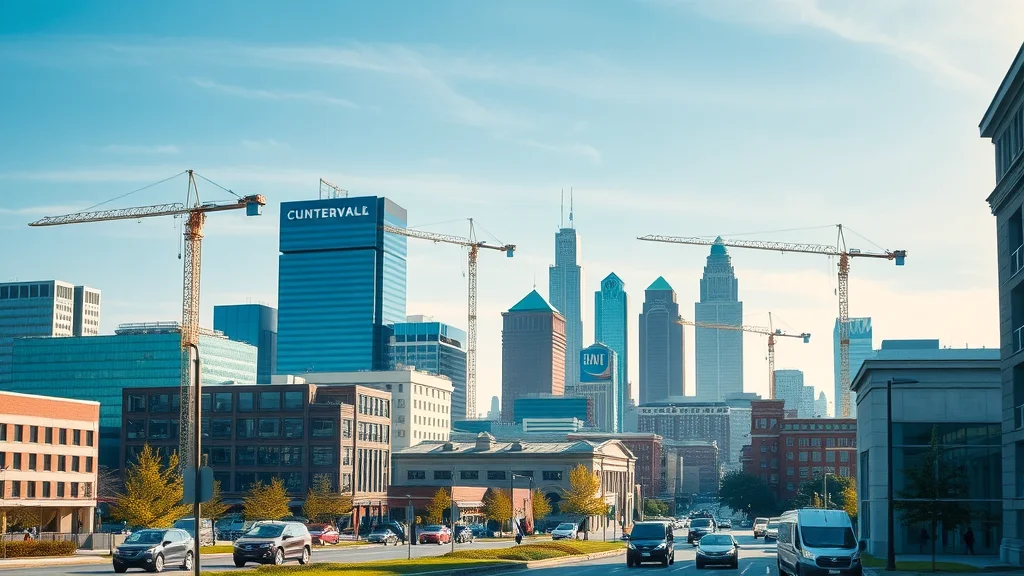
Commercial development in Alabama and Tennessee is surging, driven by a mix of new industry entrants and revitalized historic downtowns. In cities like Huntsville and Chattanooga, investment isn’t just building more retail space or office towers—it’s fueling economic development that extends into the fabric of communities. Major projects span cutting-edge industrial parks, technology startups reclaiming legacy commercial buildings, and retail centers rising in once-quiet suburbs.
This growth is no accident. The region’s thriving business climate, strategic location along major transportation corridors, and collaborative approach between municipal leaders and private developers have established Alabama and Tennessee as national standouts for commercial development. With North Alabama’s proximity to research hubs, and Tennessee’s broad industrial base, both states attract a mix of employers—creating jobs, supporting the labor force, and elevating the region’s profile. Those keeping an eye on commercial property here recognize that the opportunities available are not just abundant; they’re accelerating.
Economic Development Drivers: What Powers Commercial Development Alabama Tennessee?
How North Alabama Became a Magnet for Industrial Development and Commercial Property
The rise of industrial development in North Alabama is closely tied to its strategic location within the Tennessee Valley and its robust infrastructure. Serving Huntsville, the region which includes Madison County and proximity to the Tennessee River, boasts direct access to transportation networks essential for moving goods and people. Its success in drawing technology and aerospace firms, as well as established manufacturing and automotive brands, underscores the strong pull of the local labor force.
Central to this growth are the partnerships between local municipalities, influential developers, and the TVA economic development program. The collaborative approach of key players ensures that new commercial property investments align with both regional aspirations and market trends. As industrial buildings and business parks take shape, Huntsville and its neighbors are increasingly recognized as innovation centers that support sustainable economic growth beyond short-term gains, reinforcing North Alabama's reputation as a magnet for diverse industries.
Land Ventures and Legacy Commercial Property: Fueling Urban and Suburban Expansion
Land ventures play a pivotal role in shaping new growth around metropolitan areas and in smaller municipalities like the City of Guin. Here, both urban infill and suburban expansion are possible due to the availability of legacy commercial property and underutilized land ready for adaptive reuse. Projects often blend historic architecture with modern amenities, breathing new life into formerly idle sites and boosting regional economic development across North Alabama and Tennessee.
The unique advantage of this approach lies in flexibility—developers and city leaders can leverage legacy assets to attract a broader range of investors and industries. Whether repurposing a century-old warehouse into a mixed-use hub or transforming greenfield sites into new commercial centers, land ventures are essential for responding to the shifting needs of the workforce, population, and the broader real estate market.
| City | Recent Development Projects | Impact Areas |
|---|---|---|
| Huntsville | Mixed-use complexes | Jobs, housing |
| Birmingham | Industrial parks | Business growth |
| Chattanooga | Office towers | Downtown revitalization |
| Florence | Legacy commercial property | Retail, services |
| Murfreesboro | Greenfield land ventures | Infrastructure, employment |
How Legacy Commercial Property Shapes Investment Strategy in Commercial Development Alabama Tennessee
Case Studies: Adaptive Reuse, Downtown Revitalization, and Growth Corridors
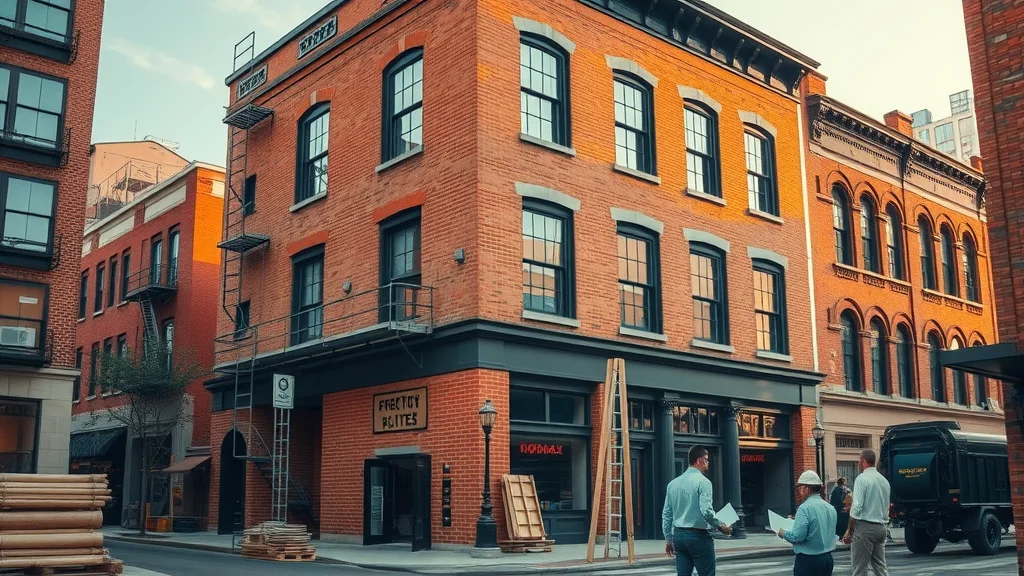
One of the most significant trends in the region is the adaptive reuse of legacy commercial property. Across North Alabama and Tennessee, former mills and industrial buildings—once considered relics—are reclaimed as technology and business centers. In Chattanooga, historic downtown office buildings have found new life as vibrant mixed-use developments, blending retail, dining, and office space that appeals to a diverse workforce. Similarly, the City of Huntsville has proven that even large industrial sites can be transformed, with former warehouses and distribution hubs now serving the aerospace and advanced manufacturing sectors.
- Former mills in North Alabama transformed to technology hubs
- Historic downtown offices repurposed for mixed-use in Chattanooga
- Industrial sites in Huntsville redeveloped for distribution and aerospace
These case studies show that legacy commercial property is more than a line on a balance sheet—it is a catalyst for community renewal and smart investment. By focusing on sustainable redevelopment, local leaders and development partners drive new business activity, reinforce the area’s historical character, and unlock returns that standard greenfield developments can’t match. As these examples illustrate, leveraging the past is often the fastest way to shape the future.
"Legacy commercial property is more than real estate—it’s an opportunity for sustainable redevelopment and community reinvestment."
Key Sectors Leading Commercial Development Alabama Tennessee
Industrial Development, Technology, and Logistics Expansion

The current wave of commercial development Alabama Tennessee is being driven by a handful of dominant sectors. Industrial development and logistics are at the fore—with a groundswell of investment in advanced manufacturing, distribution centers, and technology innovation hubs. Projects like aerospace and aviation manufacturing in Huntsville, and automotive components operations in North Alabama and Chattanooga, are amplifying the region’s competitive advantages.
These investments are reshaping the workforce and business landscape. Tech startups are repurposing legacy commercial property into collaborative workspaces and innovation labs, while e-commerce fulfillment centers add hundreds of jobs and transform previously underutilized industrial parks. The outcome is a vibrant ecosystem where industrial development supports not only job creation but also community advancement and long-term economic resilience.
Retail, Office, and Mixed-use Trends: Adapting to Workforce and Population Growth
- Aerospace and aviation manufacturing in Huntsville
- Automotive components in North Alabama and Chattanooga
- Tech startups utilizing repurposed legacy commercial properties
- Healthcare facilities expanding into suburban commercial property
- E-commerce distribution centers reshaping industrial development
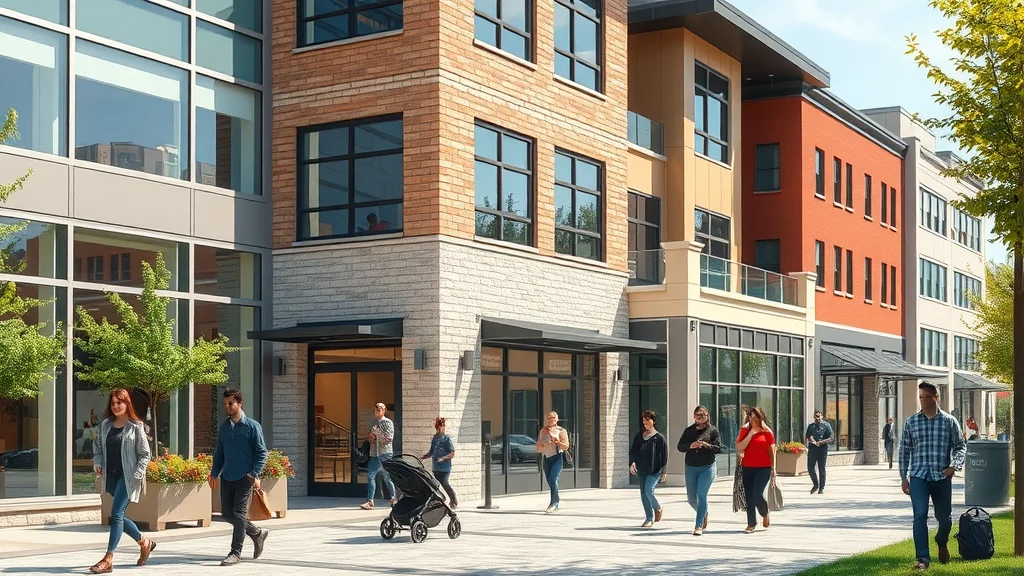
Commercial property demand goes far beyond the industrial sector. North Alabama and Tennessee’s population growth and workforce shifts have intensified the appetite for flexible office space, medical facilities, and neighborhood retail development. From the City of Guin’s main street revitalization to Huntsville’s highly visible retail centers and mixed-use communities, developers are responding with innovative solutions. This strategy not only supports residential expansion but enhances quality of life and anchors new investment across the Tennessee Valley.
The Role of Infrastructure and Workforce in Commercial Development Alabama Tennessee
Transportation Networks and Utility Upgrades
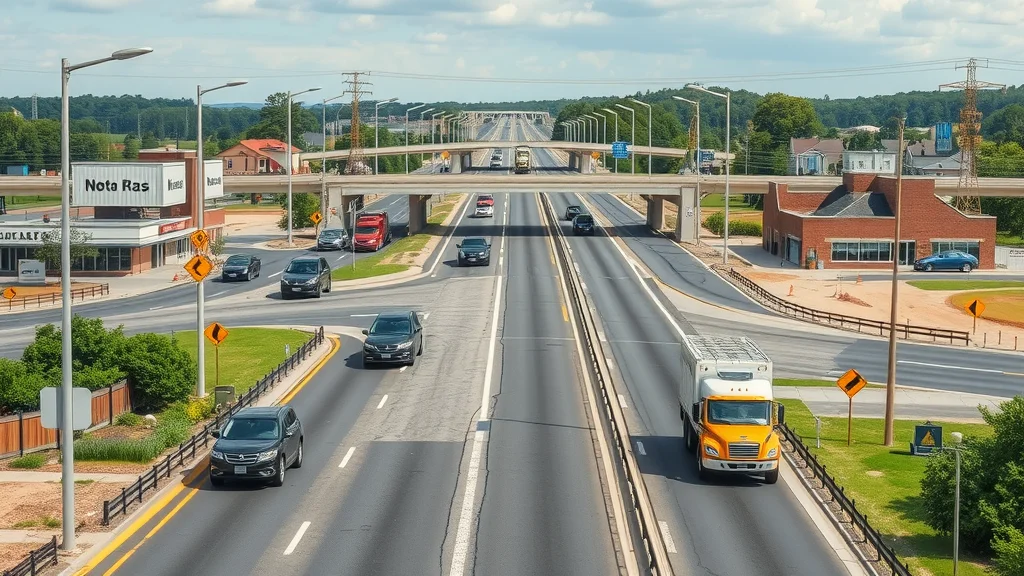
Sustaining momentum in commercial development means more than just building new office towers. Infrastructure—especially transportation networks and utility systems—plays an essential part. North Alabama’s proximity to major interstates, railways, and the Tennessee River forms the backbone of the regional economy, supporting the timely movement of goods and services. Recent utility upgrades, from broadband expansion to modernized electrical grids through TVA economic development programs, ensure readiness for today’s business needs and tomorrow’s innovations.
These infrastructure improvements create a ripple effect: attracting site selectors, increasing the appeal of industrial building sites, and encouraging continued investment in both urban and rural locations. Cities strategically located near these transportation corridors and with strong utility support—such as Huntsville, Decatur, and Florence—are the most attractive for land ventures and long-term business park development.
Workforce Training, Talent Attraction, and Community Development
The result? A ready pool of skilled workers for new industrial buildings and technology startups, as well as the healthcare and retail sectors
Talent attraction is also a top priority, as cities compete to draw in professionals with high quality of life, affordable housing, and career opportunities. Community development efforts—from revitalized parks to robust local school systems—complement commercial growth, ensuring the Tennessee Valley remains competitive. This coordinated approach is what ultimately underpins the region’s ongoing economic development.
"Investments in transportation and workforce development are essential ingredients for successful commercial development Alabama Tennessee."
Spotlight: North Alabama, Huntsville, and the City of Guin in Regional Commercial Development

Success Stories: Commercial and Economic Development in North Alabama
Across the Tennessee Valley, communities are proving that strategic investment in commercial development pays off. North Alabama’s rise as a hub of innovation is anchored by collaborations between the public sector, regional developers, and the legacy commercial property owners who see beyond traditional uses. In Huntsville especially, major commercial development projects—both on greenfield sites and adaptive reuse corridors—have catalyzed job growth, new housing, and an enhanced regional reputation for economic opportunity.
The City of Guin demonstrates the positive impact of focused development efforts on smaller communities. By aligning local goals with private investment, Guin has revitalized its main street, created new retail space for entrepreneurs, and fostered a sense of place attractive to both newcomers and long-time residents. These stories are echoed in Florence, Decatur, and Chattanooga, showing that commercial development Alabama Tennessee is not limited to large metros but has real benefits across all city sizes.
How the City of Guin is Leveraging Commercial Property for Community Growth
Guin’s approach exemplifies the collaborative approach needed for sustainable advancement. By working closely with legacy commercial property owners and development partners, the city’s leadership has coordinated the adaptive reuse of legacy buildings and the introduction of new retail and office space. This not only addresses economic development objectives but reinforces the social fabric of the community, setting the stage for continued growth along growth corridors.
Through targeted land ventures, strategic upgrades to utilities and transportation, and a commitment to supporting the local labor force, Guin is charting a course that’s both innovative and rooted in the community’s unique character. As North Alabama continues to grow, cities like Guin are showing that even smaller markets can play an outsized role in shaping the future of commercial development Alabama Tennessee.
People Also Ask: Commercial Development Alabama Tennessee FAQs
What are the most active cities for commercial development Alabama Tennessee?
- Huntsville: Leading tech and industrial projects
- Chattanooga: Downtown redevelopment and logistics
- Birmingham: Manufacturing and healthcare expansion
- Florence and Decatur: Retail and light industry investments
Who are the major players in legacy commercial and land ventures in the region?
- Regional developers focusing on mixed-use and adaptive reuse
- Legacy commercial property owners enabling new investment
- Municipal leaders driving economic development partnerships
How does commercial development Alabama Tennessee impact local economies?
- Generates new employment and business opportunities
- Drives infrastructure improvements
- Boosts community services and tax base
- Elevates regional competitiveness
Frequently Asked Questions About Commercial Development Alabama Tennessee
- Which types of commercial property are most in demand across North Alabama and Tennessee?
- What incentives or support do cities like Huntsville, Chattanooga, and Decatur offer to developers?
- How do infrastructure and workforce changes impact commercial property value?
Key Takeaways: What Matters Most in Commercial Development Alabama Tennessee
- Strategic location and access to transportation catalyze regional success
- Legacy commercial property offers unique opportunities for investment and revitalization
- Collaboration between cities, developers, and industries is essential for long-term growth
Start Exploring Commercial Development Alabama Tennessee Opportunities
Whether you’re considering investment, business expansion, or a new community for your family or enterprise, understanding the landscape of commercial development Alabama Tennessee is critical for informed decision making. By leveraging local insights, proven growth strategies, and the power of regional partnership, the future for the Tennessee Valley looks brighter than ever.

Write A Comment