Add Row
Add Element
cropper
update
The Tennessee Valley Insider
update
Add Element
  • Home
  • Categories
    • Interviews
    • Events
    • News
    • Market Insights
    • Community Engagemeny
    • Philanthropy
    • Economic Outlook
    • Lifestyle & Community
    • Health & Wellness
    • Technology
    • Real Estate Investment
    • Buying & Selling Guides
    • Financing & Mortgage
    • New Construction & Developments
    • Luxury Properties
January 19.2026
1 Minute Read

Act Now: Economic Development Announcements to Watch

Did you know? In the past year alone, new economic development announcements brought more than 4,000 jobs and $1 billion in investment to the Tennessee Valley—a rate that outpaces most other southeastern U

A Surprising Statistic: Understanding the Impact of Economic Development Announcements to Watch

Consider this: Over the last two years, the Tennessee Valley saw a 13% surge in tech-sector employment, directly tied to regionally announced initiatives and major groundbreakings. These economic development announcements to watch aren’t just headlines—they set in motion real changes that ripple through our labor market, reshape consumer spending, and boost our gross domestic product (GDP), as confirmed by multiple press releases and the Department of Commerce’s annual rate reports.

For residents and investors alike, these announcements aren’t just news—they’re a practical roadmap. Real estate demand in cities like Huntsville and Chattanooga consistently spikes after major business attraction press releases. Each update—whether it’s about international trade deals, new infrastructure funding, or the latest advance in artificial intelligence—acts as a leading indicator, impacting everything from wage growth and small business confidence to housing prices and development patterns in opportunity zones. The result: an evolving landscape where timely insight can mean the difference between leading the charge or playing catch-up.

Dynamic business meeting discussing economic development announcements to watch in the Tennessee Valley, professionals collaborating in a modern office with scenic hills view

What You'll Learn from This Guide to Economic Development Announcements to Watch

  • The latest economic development announcements to watch in the Tennessee Valley
  • How these announcements shape local economic trends, real estate, and the labor market
  • Expert perspectives on domestic product, employment shifts, and investment opportunities
  • How to leverage economic news for better business and personal decisions in the region

Analysts exploring economic development announcements to watch for trend analysis in the Tennessee Valley, digital screens show data and graphs

Why Economic Development Announcements to Watch Matter for the Tennessee Valley

Defining Economic Development Announcements and Their Role in Local Growth

At its core, an economic development announcement is a formal press release or public report, typically issued by private companies, local governments, or agencies like the Department of Commerce. These updates reveal everything from new job-creating investments to transformative infrastructure projects and often include details on budgets, timelines, location, projected jobs created, and regional gross domestic product contributions. When these stories make headlines, it signals new growth, improved business climates, and future competitiveness for Tennessee Valley communities including Decatur, Florence, and Murfreesboro.

Economic development announcements are not just ceremonial—they’re signals of the region’s evolving priorities and potential. For small businesses, these updates can mean new procurement opportunities or a need to adapt to changing markets. For residents, it means possible shifts in employment prospects and quality of life. For public officials, these press releases often serve as calls to action, shaping local policy and community planning.

The Relationship between Economic Development Announcements to Watch and the Labor Market

The labor market responds rapidly to major economic development announcements. When a press release touts a large manufacturer’s relocation or an R&D center expansion in the Tennessee Valley, regional employment rates often improve—sometimes within just months. Developers and city planners monitor these announcements for signals of population shifts, workforce needs, and the resources that incoming projects require, such as housing, transportation, and new schools.

According to a recent Department of Commerce report, each $10 million in economic development investment creates an estimated 80–100 direct and indirect jobs in the area. Wage growth, unemployment rate projections, and workforce training initiatives are closely linked to the momentum created by these announcements, underscoring the interconnectedness of press release cycles with shifts in local economic health.

How Gross Domestic Product is Influenced by Economic Development Announcements

Gross domestic product (GDP)—the sum value of goods and services produced within our borders—is a key barometer for regional prosperity. When major investments are announced, from opportunity zone revitalizations to new tech parks, Tennessee Valley’s GDP can see significant year-on-year improvement. Each economic development announcement sets in motion new construction, higher consumer spending, and increased regional output, contributing to a healthy economic cycle that benefits businesses and citizens alike.

Press releases detailing high-value contracts, foreign direct investment, and artificial intelligence sector expansion often precede an uptick in GDP. By tracking the aggregate impact of these projects, both investors and policymakers are able to gauge the long-term structural health of the Tennessee Valley economy and adjust strategy accordingly.
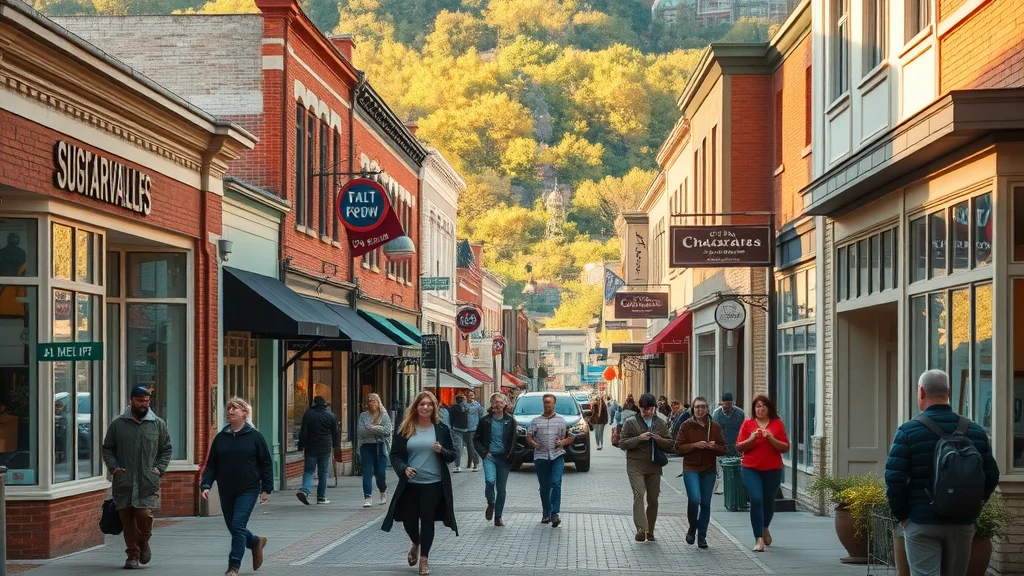
Bustling Tennessee Valley downtown reflecting the energy of recent economic development announcements to watch, local businesses and street improvements in focus

Today's Top Economic Headlines: Economic Development Announcements to Watch

Major Press Release Roundup: What Recent Announcements Mean for Residents and Investors

Recent months have seen an uptick in press releases across the Tennessee Valley, with major announcements ranging from multi-million-dollar manufacturing expansions in Huntsville to infrastructure upgrades in Florence and technology parks in Chattanooga. According to the Department of Commerce, these initiatives are partly offsetting national wage stagnation, increasing both job availability and the attractiveness of our region for outside investors.

For local residents, these headlines signal more than just positive press—they point to robust economic opportunity, rising housing prices, and greater business confidence. Investors, particularly those eyeing real estate or small business ventures, often use this information to make strategic decisions on where to deploy capital for the strongest potential returns, particularly in sought-after opportunity zones.

How International Trade and Direct Investment Trends are Shaping Our Regional Economy

The Tennessee Valley’s close ties with global markets are increasingly apparent in the region’s headline-grabbing international trade deals and direct investment surges. Initiatives linking the region to Southeast Asia or the United States–South Korea technology corridor have strengthened local industry and diversified our labor market. Artificial intelligence and other emerging technology investments are also shifting the local workforce needs toward high-skill sectors, boosting both annual growth and the market’s resilience against downturns.

This influx of capital is frequently announced via joint press releases from city leadership and private sector partners. Tracking these updates provides a critical, forward-looking view for those making business or real estate decisions in the Tennessee Valley, as trends in international trade often precede structural changes in GDP and employment.

Breaking Down the 5 Types of Economic Development: What Should You Watch?

  1. Business Attraction and Retention Initiatives
  2. Infrastructure and Community Development
  3. Workforce and Labor Market Programs
  4. Innovation and Technology Investments
  5. Real Estate and Housing Projects

Progressive infrastructure development in Tennessee Valley, teams reviewing blueprints and construction site bustling with energy, highlighting economic development announcements to watch

Case Study: Recent Direct Investment Announcements in the Tennessee Valley

Take the example of a recent direct investment in Madison County: A $200 million logistics center was announced via joint press release, projected to bring over 600 jobs at above the area’s median wage. Within 6 months of the announcement, real estate listings in nearby neighborhoods saw a 9% increase in average sale price—a clear testament to the economic multiplier effect of such investments.

Similarly, targeted labor market training programs, announced in partnership with the Department of Commerce, have driven substantial wage growth and kept Tennessee Valley’s unemployment rate well below the national average. These efforts, coordinated through opportunity zone and infrastructure funding, demonstrate the direct benefits of economic development announcements to the region’s quality of life.

Are We Headed for a Recession in 2026? What Economic Development Announcements to Watch Reveal

"Local analysts say that monitoring gross domestic product shifts and labor market indicators gives valuable foresight."

Expert Viewpoints on Monetary Policy and Central Bank Decisions

Economic development announcements often align with shifts in monetary policy and central bank directives. When the Federal Reserve or other major banking institutions adjust interest rates or signal caution, regional business sentiment may adjust—even if local fundamentals are strong. In 2024, for instance, several press releases cited the Tennessee Valley’s resilience in the face of tightening credit markets, supporting investor confidence throughout the United States and beyond.

Policy experts recommend closely monitoring both central bank announcements and regional investment news. This dual approach makes it easier for individuals and organizations to distinguish between short-term volatility and genuinely sustainable trends in the Tennessee Valley economy.

Analyzing Press Releases and Economic Signals for Forward-Looking Clues

While some headlines may seem dramatic, savvy readers know to look beyond the initial press release—scrutinizing labor market data, changes in consumer spending, and direct investment activity for more actionable clues. Multiple sources, from small business surveys to Department of Commerce annual rate summaries, confirm that when media reports highlight looming risks, on-the-ground indicators like project starts and housing demand offer a deeper measure of economic health.

By analyzing press release trends, real estate development updates, and foreign direct investment flows, readers can see signals of what’s coming: which neighborhoods are poised for growth, which job sectors offer the most stability, and how likely the region is to withstand a possible recession in 2026.

Economist in Tennessee Valley analyzing economic development announcements to watch, financial trends on screens, nighttime home office

What Is the Most Accurate Economic Indicator? Answers from Recent Economic Development Announcements to Watch

Gross Domestic Product and Labor Market Data

The consensus among leading analysts is clear: Gross domestic product and labor market data are the region’s most reliable economic indicators. The value of goods and services produced, combined with employment rates, wage growth, and workforce participation, forms a real-time measure of economic momentum—far more telling than monthly headlines alone.

For the Tennessee Valley, these indicators—highlighted in both government press releases and private sector updates—help residents, business leaders, and policymakers understand the region’s strengths and vulnerabilities. Sustained gains in GDP, steady labor market expansion, and low unemployment rates add up to a foundation for ongoing stability and prosperity.

Role of Central Bank Announcements in Regional Planning

While GDP and labor market numbers offer a snapshot of current performance, central bank announcements often telegraph upcoming risks and opportunities. Interest rate adjustments, policy guidance, and monetary stimulus programs can alter borrowing costs, influence consumer confidence, and set the tone for major investment decisions.

Locally, financial professionals and public leaders work to anticipate the ripple effects of national and global policy changes, using economic press releases and development news to plan infrastructure, housing, and community investments. By aligning economic planning with these macro signals, the Tennessee Valley can better manage growth and avoid boom-bust cycles.

Table: Comparing Major Economic Development Announcements to Watch (2023–2024)

Announcement Name Type of Development Regional Impact Jobs Created Estimated Investment Release Date
Huntsville Tech Corridor Initiative Innovation/Technology Boosted skilled labor market, home price surge 1,500 $310M Jan 2024
Florence Riverfront Revitalization Infrastructure/Real Estate New housing, improved transit 400 $85M Sep 2023
Birmingham Advanced Manufacturing Park Business Attraction Industrial clusters, wage growth 900 $250M Aug 2023
Chattanooga STEM Innovation Lab Workforce Development Skilled workforce training, start-up growth 300 $54M Feb 2024
Madison County Logistics Center Direct Investment/Infrastructure New jobs, increased property values 600 $200M Nov 2023

Video Analysis: The Lasting Impact of Economic Development Announcements to Watch on Tennessee Valley Real Estate

Video recap and expert explanations on economic development’s effect on regional real estate, including illustrated local maps and before/after images of key sites, concise animated overviews, and soundbites from regional analysts.

Video Brief: Key Takeaways from the Latest Economic Development Announcements to Watch

Welcoming Tennessee Valley neighborhood thriving due to recent economic development announcements to watch, families enjoying parks near new construction

How to Stay Ahead: Leveraging Economic Development Announcements to Watch for Smarter Decisions

  • Follow official press release channels for real-time updates
  • Interpret international trade, labor market, and gross domestic product data locally
  • Monitor direct investment patterns in neighborhoods of interest
  • Engage with community leadership and regional reports

Common Questions: Economic Development Announcements to Watch (FAQs)

How do economic development announcements to watch affect housing prices and investment opportunities?

Economic development announcements directly impact local housing markets and investment prospects. When major projects are made public—through press releases or media coverage—there is often a noticeable increase in both real estate prices and demand, especially in neighborhoods near new infrastructure, business expansions, or opportunity zones. Investors bet on early knowledge of such developments to maximize returns, and first-time buyers may benefit from anticipating changing supply and pricing dynamics.

Which agencies issue the most influential economic development press releases?

The Department of Commerce is a leading source, issuing many of the most impactful press releases about the Tennessee Valley’s economic outlook. Local city and county economic development offices, regional chambers of commerce, and major private sector investors also frequently distribute news that shapes labor market expectations, investment flows, and community engagement.

What should first-time buyers and investors focus on within economic development data?

First-time buyers and investors should look for signals of sustained job growth, infrastructure upgrades, and direct investment—clues often found in official press releases. Paying attention to gross domestic product trends, labor market statistics, and neighborhood-specific opportunity zone announcements can help users anticipate shifts in demand, price appreciation, and the availability of new amenities or services.

Key Takeaways: Understanding and Acting on Economic Development Announcements to Watch

The Tennessee Valley’s economic outlook is shaped by consistent, credible press releases and development news that signal where growth, investment, and jobs are headed. By monitoring these announcements closely and understanding their broader implications, local residents and investors can make smarter, more confident decisions for their financial future.

People Also Ask: Top Reader Questions

What are today's top economic headlines?

Today's top economic headlines in the Tennessee Valley center around new technology corridors in Huntsville, infrastructure upgrades funded by federal grants, and robust foreign direct investment from Southeast Asian partners. These headlines highlight how international trade, labor market changes, and innovation influence both business confidence and real estate values regionally.

What are the 5 types of economic development?

The five main types of economic development include business attraction and retention, infrastructure and community development, workforce and labor market programs, innovation and technology investments, and real estate or housing projects. Each type is frequently targeted by large-scale investment and press release campaigns that shape the region’s long-term economic potential.

Are we headed for a recession in 2026?

While some analysts raise caution, current economic development announcements in the Tennessee Valley—including robust direct investment, low unemployment rates, and healthy GDP growth—point to continued regional resilience. Regularly reviewing labor market data and government press releases provides advanced warning signs, supporting better preparation across the community.

What is the most accurate economic indicator?

The most accurate economic indicators are gross domestic product and labor market measures. These data points, highlighted in both Department of Commerce and central bank press releases, reflect real increases in regional output, job creation, wage growth, and economic stability for residents and investors.

Looking Forward: How to Make Informed Decisions from Economic Development Announcements to Watch

Don’t just read the headlines—interpret the signals. Stay proactive by subscribing to official press releases, tracking regional labor market and investment trends, and getting involved in community forums. With timely insight, every Tennessee Valley resident and investor can navigate change with clarity and confidence.
New Construction & Developments

0 Comments

Write A Comment

*
*
Related Posts All Posts
01.24.2026

Unlock How Downtown Redevelopment Huntsville Revives Cities

Did you know? Since 2010, downtown Huntsville’s property tax base has more than doubled, and Chattanooga’s South Broad corridor has seen a 70% increase in new business licenses A Statistic You Can’t Ignore: The Real Impact of Downtown Redevelopment in Huntsville and Chattanooga Downtown redevelopment in Huntsville and Chattanooga isn't a passing trend—it's reshaping the economic, cultural, and social framework of both cities. Huntsville has emerged as a model for integrating technological innovation with urban rebirth, while Chattanooga's coordinated master plan efforts have put it on the map as one of the Southeast's most dynamic midsize cities. The results speak volumes. Over $500 million in public and private investments have poured into downtown Huntsville since 2015, revitalizing big spring park, catalyzing the growth of the Von Braun Center district, and drawing new places to live and work near city hall. In Chattanooga, collaborative leadership between city hall, the chattanooga city council, and stakeholders has driven the transformation of the South Broad area and West End, leveraging amenities like the tennessee river and green spaces for regional vibrancy. For residents and visitors alike, these projects mean more than just cranes and construction fencing. The success of downtown redevelopment Huntsville Chattanooga has been tied to metrics ranging from job creation and increased downtown living to the emergence of new retail, entertainment venues, and connectivity. This is how cities move forward—by grounding development in locally driven master plans, integrating historic preservation, and targeting infrastructure investments that benefit the greater community. Downtown Redevelopment Huntsville Chattanooga as Catalysts for Economic Growth "In the last decade, strategic downtown redevelopment has transformed Huntsville’s economic landscape—and Chattanooga’s story offers its own striking parallels." Economic revitalization defines the story unfolding in these downtown areas. The downtown huntsville master plan focused on drawing technology companies and creative spaces, which reshaped the workforce. This aligns with Chattanooga’s own quest to provide hundreds of new jobs to its urban areas, especially in the south broad district and around green space development bordering the tennessee river. Growth in downtown real estate has surged, with the South Broad District attracting innovative office building projects and urban living spaces. Such development doesn’t just benefit business leaders—it increases property values, brings new amenities, and establishes a vibrant community within walkable city environments. In both cities, leaders from city hall and city council have played pivotal roles by championing inclusive policies, supporting local entrepreneurs, and ensuring each downtown area maintains its unique regional flavor. The cross-pollination of lessons and best practices between Huntsville and Chattanooga offers a template for redevelopment plans across the entire Tennessee Valley. What You'll Learn About Downtown Redevelopment Huntsville Chattanooga The main forces driving downtown redevelopment in Huntsville and Chattanooga How master plans and city hall priorities shape revitalization Key districts and the value of historic preservation What current and future developments mean for local residents and investors Downtown Huntsville: Master Plan and Strategic Direction Downtown Huntsville’s transformation did not happen by chance; it’s the culmination of years of enforced strategic planning. The city’s comprehensive master plan—refined with public input—has provided a clear roadmap, ensuring downtown redevelopment aligns with workforce demands, housing needs, and the preservation of historic landmarks. Supported by mayor Tommy Battle, city hall, and the city council, this plan spells out concrete initiatives: reimagining big spring park and its nearby entertainment venues, integrating the Von Braun Center as a cultural anchor, and strengthening commercial corridors like Memorial Parkway. Strategic direction stems from active partnerships. Business leaders, developers, and city planners regularly collaborate, coordinating new office buildings, residential complexes, and public amenities to cultivate a vibrant community atmosphere. Huntsville’s experience underscores the importance of city hall engagement—not only setting the redevelopment vision but also securing investment and guiding infrastructure upgrades, including transit expansion, street upgrades, and new green spaces. Understanding the Downtown Huntsville Master Plan The Huntsville master plan, originally crafted in partnership with urban design specialists, encompasses zoning updates, streetscape improvements, and mixed-use development requirements—all aiming to create a walkable, modern downtown. Redevelopment efforts such as the Big Spring Park upgrade, revitalization of the courthouse square, and the push for sustainable building standards demonstrate the city’s balanced approach. New incentives encourage real estate investment while ensuring affordable housing and accessible public amenities are included in every phase. Ongoing community engagement—from town halls to neighborhood forums—shapes how each proposal fits into the city’s long-term vision. By fostering connectivity between office space, residential neighborhoods, and destination venues, the plan sustains a vibrant downtown experience for residents and visitors alike. This approach draws on lessons learned from regional success stories, positioning Huntsville as a dynamic, people-centered city where economic growth and preservation go hand in hand. Comparison of Downtown Redevelopment in Huntsville vs. Chattanooga Category Huntsville Chattanooga Key Initiatives Big Spring Park revitalization, Von Braun Center expansion, mixed-use zoning, historic preservation grants, new urban infill projects The Bend master plan for West End, South Broad District redevelopment, enhanced riverfront parks, adaptive reuse of warehouses, tech incubator spaces Timeline 2010–present (phased plans, annual updates) 2015–present (South Broad District launched 2018, West End/Bend ongoing) Projected Impact 7,000+ downtown jobs, increase in walkable housing, rise in small business activity, expanded arts/entertainment, new connectivity to neighborhoods 4,500+ new jobs to Chattanooga, reactivation of 141-acre industrial site, innovation hubs, expanded green space and parkland, improved urban mobility The Role of City Hall and Stakeholders in Downtown Redevelopment Huntsville Chattanooga Collaboration between city hall, the Huntsville city council, and private sector partners underpins redevelopment progress. City leadership, including mayor Tommy Battle, has cultivated a culture of strategic risk-taking, signaling to developers that Huntsville is open for innovative downtown projects. The Downtown Redevelopment Authority and independent commissions coordinate investment, maintain communication, and ensure local priorities aren’t lost in the face of fast-moving market trends. In Chattanooga, the city council and city hall have charted a similar course. They work in tandem with grassroots organizations, urban planners, and the private sector to manage ambitious projects like the Bend and South Broad transformation. Such alliances have been instrumental in securing grants, facilitating workforce development, and overseeing policy to keep the focus on equitable access and sustainability. Chattanooga’s Redevelopment: Lessons from the Bend Chattanooga Master Plan Chattanooga’s West End, once dominated by aging industrial sites, is reimagined through the ambitious Bend master plan. This approach draws on the success of earlier projects—like the riverfront revitalization around the Tennessee Aquarium—to unlock large-scale opportunities in the heart of the city. Here, chattanooga city hall and the city council have coordinated with industry partners, educational institutions, and local communities, applying lessons from regional peers and adapting to Chattanooga’s unique needs. By fostering diverse development—housing, office, green space, and entertainment—the Bend plan creates a foundation for both immediate growth and long-term resilience. Huntsville’s current and future revitalization phases are already reflecting these proven methods, using them to reimagine historic sites and industrial blocks, increase housing choices, and link critical economic drivers. How the Bend Chattanooga Master Plan Is Redefining Urban Space At its core, the Bend transforms an underutilized section of downtown into a mixed-use destination. Innovation hubs, greenways, and entertainment venues bring together new jobs and recreation—a model that turns old rail yards and vacant industrial land into engines of opportunity. The plan emphasizes walkability, robust green space integration, and connectivity with neighborhoods, weaving South Broad District character with updated infrastructure. This adaptive reuse reflects an understanding of Chattanooga’s evolving workforce, where technology, healthcare, and logistics sectors are fast-growing contributors. By aligning with trends from cities like Huntsville, Chattanooga positions itself as both a regional magnet for talent and a laboratory for sustainable growth. Regional Insights: What Huntsville Can Learn from Chattanooga While Huntsville’s redevelopment path is uniquely its own, the lessons from Chattanooga’s successes and setbacks provide a critical point of reference. Both cities benefit from coordinated master plans anchored by active city hall leadership, strategic investments in green space, and commitment to accessible urban environments. Chattanooga’s experience with waterfront activation and industrial site transformation demonstrates the value of flexibility—adapting plans as community feedback and economic conditions change. By investing in infrastructure, improving transit, and nurturing a diverse housing pipeline, both Huntsville and Chattanooga have set examples for mid-sized city revitalization across the Tennessee Valley. These lessons will only become more relevant as other communities in the valley look to stimulate economic development, foster community, and safeguard their unique histories. Preserving Character: The Districts and Historic Architecture in Downtown Huntsville Downtown redevelopment isn’t just about shiny new towers—preserving the historic fabric is essential to the region’s identity. In Huntsville, the Twickenham Historic District shines as the city’s premier preservation area, renowned for its Federal- and Greek Revival-style homes, stately gardens, and brick sidewalks. The district, in tandem with Old Town and Five Points, forms a backbone for residential desirability, economic activity, and cultural tourism. Likewise, Chattanooga’s Fort Wood and Bluff View districts have set standards for integrating restoration with new development. These neighborhoods underscore the cultural and economic benefits of thoughtful preservation. Not only do restored homes and buildings attract new residents and businesses, but they also provide fertile ground for restaurants, shops, and creative ventures. Programs for preservation grants, adaptive reuse, and community involvement ensure these districts remain active and accessible as other parts of the downtown area evolve. Spotlight on Historic Districts in Downtown Huntsville and Chattanooga Popular residential and commercial historic districts: Twickenham, Old Town, Five Points in Huntsville; Fort Wood, Bluff View, Southside in Chattanooga. Cultural and economic value of preservation: Increases property values, boosts tourism, and reinforces neighborhood identity. Notable restoration projects: Ongoing community-led restoration of antebellum homes in Twickenham; adaptive reuse of warehouses in Southside Chattanooga for culinary, tech, and entertainment ventures. Economic and Community Impact of Downtown Redevelopment Huntsville Chattanooga Downtown redevelopment brings tangible economic and social returns, shaping quality of life and opportunities for all residents. In Huntsville and Chattanooga, workforce trends show a rise in professional, technical, and creative sector jobs as downtown cores expand. This draws not only new talent but also incentivizes young families and retirees to put down roots near vibrant urban amenities and green spaces. The South Broad District in Chattanooga and the Big Spring Park zone in Huntsville both exemplify the intersection of public investment and private confidence—spurring housing starts, new retail spaces, and a rise in mixed-use office development. Community benefits include safer, more walkable streets, enriched cultural programming, and an uptick in civic activities. As master plans unfold, each city’s identity is strengthened through the ongoing engagement of stakeholders ranging from neighborhood groups and historic societies to startup accelerators and nonprofit organizations. Workforce Trends, Housing Markets, and Investment Opportunities For investors and job seekers alike, downtown redevelopment means expanded choices. New office buildings attract anchor employers, injecting energy into the local economy. At the same time, a focus on affordable and market-rate apartments, restoration of historic homes, and development of creative live/work lofts ensures that a broad demographic can benefit from the new downtown. Demand for urban living translates into robust real estate interest, particularly as future phases bring in additional amenities—restaurants, entertainment venues, and cultural organizations—for an increasingly vibrant community. Huntsville’s design guidelines draw from successes in the greater Chattanooga area, prioritizing sustainable buildings, walkable neighborhoods, and workforce training linked to onsite job creation. Economic development strategies are tailored for inclusivity, with incentives designed to make ownership, entrepreneurship, and investment within reach for residents new and old. Infrastructure Upgrades and Quality of Life Improvements Both cities recognize that thriving downtowns are built on more than just offices and apartments. Major upgrades—reconstructing streets, adding biking trails, modernizing utilities, and increasing green space—transform city centers into destinations. The redevelopment of big spring park and new entertainment venues like those near the Von Braun Center empower residents to engage in downtown life, while improved connectivity—sidewalks, public transit, and safe crossings—fosters active lifestyles and commerce. All these changes lead to enhanced safety, environmental sustainability, and local pride. The link between infrastructure and prosperity is clear: neighborhoods experience rising property values, small businesses see greater foot traffic, and residents enjoy a broader array of services and entertainment close to home. In Focus: What is Being Built in Downtown Huntsville? As of 2024, downtown Huntsville is a hive of construction activity. Numerous developments—both public and private—are underway. These range from high-end apartments addressing demand for places to live, to modern office buildings targeting tech incubators and government contractors, to vibrant mixed-use complexes with retail, restaurant, and cultural spaces. The expansion near big spring park and the addition of new hotel properties further underscore the city’s vision for a dynamic, connected downtown environment. These projects align directly with the master plan’s core principles: walkability, preservation, and economic diversity. They aim to accommodate growing population, retain young professionals, and ensure that every investment contributes to building an inclusive, lively city center. Major Projects Underway—Residential, Office, and Mixed-Use Signature undertakings include luxury apartments rising adjacent to big spring park, a new office building for an aerospace technology firm, additional boutique hotels, and the transformation of longtime government buildings into retail and gallery space. Developers are repurposing former industrial sites to foster innovation hubs, mirroring similar approaches seen in the chattanooga area. The Von Braun Center expansion stands out as both an entertainment venue and a civic gathering space. Meanwhile, street upgrades, improved lighting, and pedestrian corridors ensure new and existing residents experience an accessible, inviting downtown. Each of these developments is a milestone in making Huntsville a destination for living, working, and investing, with direct input from residents, business associations, and city hall officials guiding each project from concept to ribbon-cutting. A professionally-shot walking tour video exploring key redevelopment projects in downtown Huntsville, with local leaders and residents providing on-site commentary about the master plan, historic districts, and new construction. People Also Ask About Downtown Redevelopment Huntsville Chattanooga What is being built in downtown Huntsville? Detailed Answer: Recent and ongoing projects include apartments, hotels, tech accelerators, and mixed-use complexes that align with the master plan’s vision for a walkable, vibrant downtown. What is the Huntsville Downtown Redevelopment Authority? Detailed Answer: The Authority is a public body responsible for spearheading, planning, and executing urban renewal, acting as a bridge between city hall, private investors, and the master plan for downtown redevelopment in Huntsville. What is the bend Chattanooga master plan? Detailed Answer: The Bend plan is a comprehensive framework guiding the transformation of Chattanooga's West End into a modern mixed-use area featuring innovation hubs, green spaces, and enhanced connectivity. What district in Huntsville is known for its historic architecture? Detailed Answer: The Twickenham Historic District in downtown Huntsville is renowned for Federal- and Greek Revival-style homes, playing a critical role in the city’s preservation and redevelopment efforts. A video guide showcasing The Bend redevelopment in Chattanooga and exploring the character of its historic districts, with commentary from local experts and historians. Expert Take: Voices from City Hall and Downtown Leadership "Our vision is to create a downtown Huntsville where economic opportunity and quality of life are inseparable." – City Hall official This sentiment, echoed by both Huntsville and Chattanooga leadership, underlines the core philosophy of regional downtown redevelopment. Policy decisions, investment strategies, and community engagement are ultimately about enhancing opportunity for everyone living and working in the Tennessee Valley. A constant dialogue between government, business, and residents is what keeps the master plan—and the city’s heart—alive. FAQs on Downtown Redevelopment Huntsville Chattanooga How does a master plan influence city development? A master plan provides a blueprint for city development. It coordinates land use, infrastructure, economic goals, and historic preservation to ensure each redevelopment project aligns with long-term vision and community needs. What incentives exist for real estate investors in downtown Huntsville or Chattanooga? Both cities offer incentives such as property tax abatements, historic preservation grants, expedited permitting, and infrastructure support for urban core investments that create jobs, housing, and community amenities. How can residents get involved in redevelopment? Residents can attend city council meetings, participate in public forums, join neighborhood associations, and provide feedback through community planning sessions held regularly by city hall and redevelopment authorities. Key Takeaways on Downtown Redevelopment Huntsville Chattanooga Downtown redevelopment in Huntsville and Chattanooga is driven by comprehensive planning and effective leadership Historic districts are both cultural assets and economic engines Infrastructural improvements enhance workforce attraction and overall quality of life Thinking of Participating? Discover New Opportunities in Downtown Redevelopment Huntsville Chattanooga Whether you’re seeking a new place to live, a vibrant community to invest in, or simply inspiration from successful city planning, downtown redevelopment in Huntsville and Chattanooga offers real, lasting opportunity for the entire Tennessee Valley.

01.24.2026

Unlock Profit with Commercial Development Alabama Secrets

Did you know: Over $4 billion in commercial property investments have reshaped Alabama and Tennessee in just the past three years? From the bustling tech corridors of North Alabama to revitalized town centers along the Tennessee River, the region’s landscape—and its economy—is transforming at a remarkable pace What You’ll Learn About Commercial Development Alabama Tennessee How commercial development Alabama Tennessee influences regional economic growth Key trends affecting land ventures and industrial development in North Alabama and beyond The role of legacy commercial property in shaping opportunity Expert insights on what investors, entrepreneurs, and residents need to know about commercial property The Surprising Growth of Commercial Development Alabama Tennessee "More than $4 billion was invested in commercial property across Alabama and Tennessee in the last three years—Transforming small towns and metro regions alike." Commercial development in Alabama and Tennessee is surging, driven by a mix of new industry entrants and revitalized historic downtowns. In cities like Huntsville and Chattanooga, investment isn’t just building more retail space or office towers—it’s fueling economic development that extends into the fabric of communities. Major projects span cutting-edge industrial parks, technology startups reclaiming legacy commercial buildings, and retail centers rising in once-quiet suburbs. This growth is no accident. The region’s thriving business climate, strategic location along major transportation corridors, and collaborative approach between municipal leaders and private developers have established Alabama and Tennessee as national standouts for commercial development. With North Alabama’s proximity to research hubs, and Tennessee’s broad industrial base, both states attract a mix of employers—creating jobs, supporting the labor force, and elevating the region’s profile. Those keeping an eye on commercial property here recognize that the opportunities available are not just abundant; they’re accelerating. Economic Development Drivers: What Powers Commercial Development Alabama Tennessee? How North Alabama Became a Magnet for Industrial Development and Commercial Property The rise of industrial development in North Alabama is closely tied to its strategic location within the Tennessee Valley and its robust infrastructure. Serving Huntsville, the region which includes Madison County and proximity to the Tennessee River, boasts direct access to transportation networks essential for moving goods and people. Its success in drawing technology and aerospace firms, as well as established manufacturing and automotive brands, underscores the strong pull of the local labor force. Central to this growth are the partnerships between local municipalities, influential developers, and the TVA economic development program. The collaborative approach of key players ensures that new commercial property investments align with both regional aspirations and market trends. As industrial buildings and business parks take shape, Huntsville and its neighbors are increasingly recognized as innovation centers that support sustainable economic growth beyond short-term gains, reinforcing North Alabama's reputation as a magnet for diverse industries. Land Ventures and Legacy Commercial Property: Fueling Urban and Suburban Expansion Land ventures play a pivotal role in shaping new growth around metropolitan areas and in smaller municipalities like the City of Guin. Here, both urban infill and suburban expansion are possible due to the availability of legacy commercial property and underutilized land ready for adaptive reuse. Projects often blend historic architecture with modern amenities, breathing new life into formerly idle sites and boosting regional economic development across North Alabama and Tennessee. The unique advantage of this approach lies in flexibility—developers and city leaders can leverage legacy assets to attract a broader range of investors and industries. Whether repurposing a century-old warehouse into a mixed-use hub or transforming greenfield sites into new commercial centers, land ventures are essential for responding to the shifting needs of the workforce, population, and the broader real estate market. Recent Development Projects and Their Impact Areas City Recent Development Projects Impact Areas Huntsville Mixed-use complexes Jobs, housing Birmingham Industrial parks Business growth Chattanooga Office towers Downtown revitalization Florence Legacy commercial property Retail, services Murfreesboro Greenfield land ventures Infrastructure, employment How Legacy Commercial Property Shapes Investment Strategy in Commercial Development Alabama Tennessee Case Studies: Adaptive Reuse, Downtown Revitalization, and Growth Corridors One of the most significant trends in the region is the adaptive reuse of legacy commercial property. Across North Alabama and Tennessee, former mills and industrial buildings—once considered relics—are reclaimed as technology and business centers. In Chattanooga, historic downtown office buildings have found new life as vibrant mixed-use developments, blending retail, dining, and office space that appeals to a diverse workforce. Similarly, the City of Huntsville has proven that even large industrial sites can be transformed, with former warehouses and distribution hubs now serving the aerospace and advanced manufacturing sectors. Former mills in North Alabama transformed to technology hubs Historic downtown offices repurposed for mixed-use in Chattanooga Industrial sites in Huntsville redeveloped for distribution and aerospace These case studies show that legacy commercial property is more than a line on a balance sheet—it is a catalyst for community renewal and smart investment. By focusing on sustainable redevelopment, local leaders and development partners drive new business activity, reinforce the area’s historical character, and unlock returns that standard greenfield developments can’t match. As these examples illustrate, leveraging the past is often the fastest way to shape the future. "Legacy commercial property is more than real estate—it’s an opportunity for sustainable redevelopment and community reinvestment." Key Sectors Leading Commercial Development Alabama Tennessee Industrial Development, Technology, and Logistics Expansion The current wave of commercial development Alabama Tennessee is being driven by a handful of dominant sectors. Industrial development and logistics are at the fore—with a groundswell of investment in advanced manufacturing, distribution centers, and technology innovation hubs. Projects like aerospace and aviation manufacturing in Huntsville, and automotive components operations in North Alabama and Chattanooga, are amplifying the region’s competitive advantages. These investments are reshaping the workforce and business landscape. Tech startups are repurposing legacy commercial property into collaborative workspaces and innovation labs, while e-commerce fulfillment centers add hundreds of jobs and transform previously underutilized industrial parks. The outcome is a vibrant ecosystem where industrial development supports not only job creation but also community advancement and long-term economic resilience. Retail, Office, and Mixed-use Trends: Adapting to Workforce and Population Growth Aerospace and aviation manufacturing in Huntsville Automotive components in North Alabama and Chattanooga Tech startups utilizing repurposed legacy commercial properties Healthcare facilities expanding into suburban commercial property E-commerce distribution centers reshaping industrial development Commercial property demand goes far beyond the industrial sector. North Alabama and Tennessee’s population growth and workforce shifts have intensified the appetite for flexible office space, medical facilities, and neighborhood retail development. From the City of Guin’s main street revitalization to Huntsville’s highly visible retail centers and mixed-use communities, developers are responding with innovative solutions. This strategy not only supports residential expansion but enhances quality of life and anchors new investment across the Tennessee Valley. The Role of Infrastructure and Workforce in Commercial Development Alabama Tennessee Transportation Networks and Utility Upgrades Sustaining momentum in commercial development means more than just building new office towers. Infrastructure—especially transportation networks and utility systems—plays an essential part. North Alabama’s proximity to major interstates, railways, and the Tennessee River forms the backbone of the regional economy, supporting the timely movement of goods and services. Recent utility upgrades, from broadband expansion to modernized electrical grids through TVA economic development programs, ensure readiness for today’s business needs and tomorrow’s innovations. These infrastructure improvements create a ripple effect: attracting site selectors, increasing the appeal of industrial building sites, and encouraging continued investment in both urban and rural locations. Cities strategically located near these transportation corridors and with strong utility support—such as Huntsville, Decatur, and Florence—are the most attractive for land ventures and long-term business park development. Workforce Training, Talent Attraction, and Community Development The result? A ready pool of skilled workers for new industrial buildings and technology startups, as well as the healthcare and retail sectors Talent attraction is also a top priority, as cities compete to draw in professionals with high quality of life, affordable housing, and career opportunities. Community development efforts—from revitalized parks to robust local school systems—complement commercial growth, ensuring the Tennessee Valley remains competitive. This coordinated approach is what ultimately underpins the region’s ongoing economic development. "Investments in transportation and workforce development are essential ingredients for successful commercial development Alabama Tennessee." Spotlight: North Alabama, Huntsville, and the City of Guin in Regional Commercial Development Success Stories: Commercial and Economic Development in North Alabama Across the Tennessee Valley, communities are proving that strategic investment in commercial development pays off. North Alabama’s rise as a hub of innovation is anchored by collaborations between the public sector, regional developers, and the legacy commercial property owners who see beyond traditional uses. In Huntsville especially, major commercial development projects—both on greenfield sites and adaptive reuse corridors—have catalyzed job growth, new housing, and an enhanced regional reputation for economic opportunity. The City of Guin demonstrates the positive impact of focused development efforts on smaller communities. By aligning local goals with private investment, Guin has revitalized its main street, created new retail space for entrepreneurs, and fostered a sense of place attractive to both newcomers and long-time residents. These stories are echoed in Florence, Decatur, and Chattanooga, showing that commercial development Alabama Tennessee is not limited to large metros but has real benefits across all city sizes. How the City of Guin is Leveraging Commercial Property for Community Growth Guin’s approach exemplifies the collaborative approach needed for sustainable advancement. By working closely with legacy commercial property owners and development partners, the city’s leadership has coordinated the adaptive reuse of legacy buildings and the introduction of new retail and office space. This not only addresses economic development objectives but reinforces the social fabric of the community, setting the stage for continued growth along growth corridors. Through targeted land ventures, strategic upgrades to utilities and transportation, and a commitment to supporting the local labor force, Guin is charting a course that’s both innovative and rooted in the community’s unique character. As North Alabama continues to grow, cities like Guin are showing that even smaller markets can play an outsized role in shaping the future of commercial development Alabama Tennessee. People Also Ask: Commercial Development Alabama Tennessee FAQs What are the most active cities for commercial development Alabama Tennessee? Huntsville: Leading tech and industrial projects Chattanooga: Downtown redevelopment and logistics Birmingham: Manufacturing and healthcare expansion Florence and Decatur: Retail and light industry investments Who are the major players in legacy commercial and land ventures in the region? Regional developers focusing on mixed-use and adaptive reuse Legacy commercial property owners enabling new investment Municipal leaders driving economic development partnerships How does commercial development Alabama Tennessee impact local economies? Generates new employment and business opportunities Drives infrastructure improvements Boosts community services and tax base Elevates regional competitiveness Frequently Asked Questions About Commercial Development Alabama Tennessee Which types of commercial property are most in demand across North Alabama and Tennessee? What incentives or support do cities like Huntsville, Chattanooga, and Decatur offer to developers? How do infrastructure and workforce changes impact commercial property value? Key Takeaways: What Matters Most in Commercial Development Alabama Tennessee Strategic location and access to transportation catalyze regional success Legacy commercial property offers unique opportunities for investment and revitalization Collaboration between cities, developers, and industries is essential for long-term growth Start Exploring Commercial Development Alabama Tennessee Opportunities Whether you’re considering investment, business expansion, or a new community for your family or enterprise, understanding the landscape of commercial development Alabama Tennessee is critical for informed decision making. By leveraging local insights, proven growth strategies, and the power of regional partnership, the future for the Tennessee Valley looks brighter than ever.

01.23.2026

Discover How Mixed-Use Developments Tennessee Valley Are Transforming Communities

"Did you know over 30% of new construction in the Tennessee Valley now features a mixed-use component—blending retail, residential, and office spaces within a single development? Mixed-use developments Tennessee Valley are not just a trend; they're fundamentally altering how people live and work across the region." Mixed-use developments in the Tennessee Valley are rapidly changing the local landscape—in both visible and subtle ways. Once a region defined by separated residential neighborhoods, office parks, and suburban shopping centers, the Tennessee Valley now stands at the forefront of integrating living, working, and shopping in unified, vibrant spaces. This blend of retail space, residential units, and office environments not only brings new economic opportunities, but also transforms the daily rhythms, accessibility, and identities of communities across Huntsville, Chattanooga, Murfreesboro, and more. If you’re seeking to understand regional growth, homeownership trends, or business expansion in the Southeast, grasping the dynamics behind mixed-use developments Tennessee Valley is essential. What You'll Learn About Mixed-Use Developments Tennessee Valley Key characteristics of mixed-use developments Tennessee Valley Economic and social impacts on local communities Challenges and opportunities for Williamson County and beyond Comparisons of major projects like Stephens Valley Insights from real estate and land development experts Table: Key Mixed-Use Developments in Tennessee Valley Development Name City Key Components Notable Retail Space Completion Year Stephens Valley Nashville area Residential, Retail, Office Yes 2023 The Avenue Murfreesboro Retail, Dining, Office Yes 2019 MidCity District Huntsville Residential, Retail, Entertainment Yes Ongoing Why Mixed-Use Developments Tennessee Valley Are Gaining Momentum Mixed-use developments Tennessee Valley are steadily gaining traction due to several converging trends in land development, economic planning, and changing lifestyle demands. As populations in core cities and surrounding counties like Williamson County expand, traditional development plans—separating residential units, office spaces, and shopping centers—have often led to greater reliance on parking lots, traffic congestion, and limited walkability. The new wave of mixed-use projects represents a fundamental shift. Instead of spreading out, these acre mixed use development projects stack amenities and square feet of retail, housing, and workplaces within a single footprint. This approach creates interconnected ecosystems, reducing commutes and fostering stronger community engagement. For real estate developers and investors in the Tennessee Valley, the inclusion of diverse components—like retail space, green spaces, residential development, and even office suites—creates appealing, sustainable neighborhoods. A preliminary master development plan, now common among both new and redeveloped areas, aims for harmony between the built environment and natural amenities, making communities more resilient against economic and social fluctuations. Notably, these projects also answer the demand for contemporary living: accessible shops, entertainment, and workspaces within walking distance of home. As a result, local city council discussions from Huntsville to Nashville increasingly feature proposals for mixed-use districts—an indicator of their widespread impact and lasting relevance. Land Development Trends: Shifting Priorities and Urban Design The evolution of land development in the Tennessee Valley signals a distinctive break from patterns set in previous decades. Traditionally, the master development plan for most cities prioritized zoned separation: retail over here, residences over there, and industrial or office parks located east or north of city centers. Today, city council committees and planning boards are reexamining this approach. Preliminary master development plans increasingly showcase compact community design clustered around central amenities—including green spaces, dining options, and shopping centers—rather than vast parking lots or distant subdivisions. Station Camp neighborhoods in Gallatin, for example, are embedding retail and residential units within the same acreage, supporting walkability and a more vibrant public life. Key drivers behind this urban design shift include population growth, younger homebuyers' preference for lifestyle amenities, and infrastructural considerations. Developers also recognize that by blending residential development with feet of retail and commercial service options, they create flexible neighborhoods that withstand market cycles better than single-use zones. This strategy supports businesses, offers variety for residents, and encourages foot traffic—all results that reinforce the value proposition for investors, local government, and homebuyers alike. These priorities are evident in new communities located in the heart of both urban and suburban districts, where mixed-use developments foster renewed energy and a distinctive Tennessee Valley identity. Economic Growth in the Tennessee Valley: The Role of Mixed-Use Projects Mixed-use developments Tennessee Valley are powerful engines of economic growth and community revitalization. By combining square feet of retail, residential units, offices, and entertainment spaces, these projects create regions where daily life and commerce intersect. This model has spurred the transformation of once-underutilized areas—whether a shopping center located north of town or a station camp repurposed for apartment units, retail space, and new streetscapes. Success stories such as MidCity District in Huntsville and Stephens Valley near Nashville showcase how integrating diverse functions can attract job creators, increase property tax revenue, and broaden the appeal of surrounding neighborhoods. The numbers speak volumes: developers routinely announce hundreds of thousands of additional square feet planned for mixed-use settings, with project sizes ranging from compact urban infill to expansive acre mixed use development plots. As local governments—such as those in Murfreesboro and Williamson County—adopt more master development plans built around this approach, the momentum is unlikely to slow. In addition to office jobs and retail opportunities, these developments enhance local labor markets by supporting hospitality, healthcare (including assisted living), and educational services within walkable distance. For the region’s economic future, mixed-use developments Tennessee Valley are more than trend; they are cornerstone investments. The Stephens Valley and Williamson County Model for Mixed-Use Living Stephens Valley, spanning significant acreage near the Nashville area, epitomizes the evolution of mixed-use developments Tennessee Valley. This project’s preliminary master development plan harmoniously integrates residential units, shopping spaces, dining, and commercial offices. Locally, it stands as a benchmark for future communities—both for what works and how collaborative land development can raise the standard for others in the region. In rapidly-growing Williamson County, similar projects are inspiring city council leaders to include more green spaces, retail space, and diverse residential units, all of which are reflected in development plans across Franklin, Brentwood, and Spring Hill. The significance of the Williamson County approach lies in its careful balancing act. After breaking ground, developers prioritize both community input and architectural cohesion, ensuring that amenities include accessible plazas, pedestrian pathways, and essential services like grocery stores and healthcare. Moreover, a thoughtful blend of housing—from single-family homes to assisted living and luxury apartments—caters to residents at every stage of life. By studying how these developments shape their cities, The Tennessee Valley Insider has found that long-term resilience is often built into the DNA of key master development plans, making them worth closer examination by planners and investors alike. Williamson County: Housing, Retail Space, and Community Engagement Williamson County’s best examples of mixed-use development feature not only a robust selection of feet of retail, dining, and office options, but also renewed emphasis on community engagement and interconnected open spaces. Residential development is closely coordinated with local school districts, health services, parks, and entertainment venues. In developments such as Stephens Valley, living quarters are located in the heart of well-landscaped surroundings, making access to shopping, socialization, and outdoor recreation nearly seamless and reducing the emphasis on traditional parking lots and long car commutes. Local city council participation and input from homeowners have become central to each preliminary master development, ensuring that expansion is managed with an eye toward sustainability rather than unchecked sprawl. Residents frequently gather in community spaces—like green plazas and outdoor dining courtyards—to participate in the civic life of their neighborhood. Williamson County’s formula is increasingly serving as a model across the wider Tennessee Valley, as policymakers and citizens alike recognize the social and economic returns that mixed-use development plans deliver. Case Study: How Stephens Valley Integrates Retail Space and Lifestyle The Stephens Valley development stands out as a comprehensive case study for mixed-use developments Tennessee Valley, thanks to its integration of residential, retail, and recreation. Spanning hundreds of acres, the master development balances walkable streets, squares, and residential units with a wide array of service options. The retail space—anchored by boutique stores, cozy cafes, and local businesses—draws both residents and visitors, serving as a nucleus of daily life while increasing the area’s economic vibrancy. Its design principles ensure that amenities include outdoor gathering places and eventual expansion to additional services such as assisted living and wellness centers. In keeping with the Tennessee Valley’s landscape, Stephens Valley’s preliminary master development plan incorporates green ribbons, bike trails, and communal parks, reinforcing the connection between nature and urban living. The development recognizes that homeownership trends are shifting: today’s buyers want not just proximity to shopping centers, but also a sense of community—places to meet neighbors, attend local markets, and participate in seasonal events. The area’s planners have worked alongside city council members and real estate professionals to ensure that Stephens Valley remains agile to changing market needs while preserving the distinctive charm that makes the Tennessee Valley attractive for relocation and investment. Mixed-Use Developments Tennessee Valley: Impacts on Real Estate, Investment, and Quality of Life The upsurge of mixed-use developments Tennessee Valley is having deep effects on real estate markets, investment prospects, and the overall quality of life for residents. As major projects break ground across the region, incorporating both residential units and commercial enterprises, they offer new models for sustainable growth. For investors and homebuyers alike, the presence of mixed-use communities can signal enhanced property values, predictable returns, and lifestyle amenities rarely found in single-use developments. One of the central advantages is the resilience these neighborhoods demonstrate during market shifts: by not putting all economic eggs in one basket, developers create balanced communities that attract diverse demographics, including young professionals, families, empty nesters, and retirees. Attractive amenities, such as green spaces, on-site entertainment, and everyday conveniences, are part of the equation. City council and business leaders regularly cite these features in economic development sessions as evidence that the Tennessee Valley is keeping pace with metropolitan regions nationwide. Attracting Investment and Boosting Local Workforce Mixed-use developments Tennessee Valley are a magnet for both public and private investment. By clustering valuable square feet of retail, restaurants, and flexible office suites within walking distance of diverse housing options, these projects streamline daily life for the local workforce. As businesses favor settings with built-in live-work-play dynamics, major employers are increasingly targeting these districts for their Tennessee Valley operations. From startup incubators to major healthcare providers and tech companies, the ability to co-locate in dynamic, walkable neighborhoods adds practical value—making recruiting and retaining talent that much easier. Additionally, the impact extends to small business owners who find foot traffic and new customer bases in these thriving districts. Local governments, meanwhile, benefit from increased property tax revenues and the ripple effects of a sustainable workforce. In sum, mixed-use investments fuel vibrant housing markets and drive job growth, making them central to the region’s ongoing economic evolution. Influence on Housing Markets and Homeownership Trends Mixed-use developments Tennessee Valley are influencing more than just local economies; they’re also reshaping homeownership trends, property values, and the way residents select communities. Unlike traditional neighborhoods where amenities might be located east or miles away, new developments position essential services, shopping, and recreation on-site. This has driven increased demand for residential development within mixed-use plans, as buyers now prefer environments offering connectivity, social opportunities, and everyday convenience. In fact, recent trends indicate that these projects can yield higher property values when compared to developments in isolated suburbs. For renters, homeowners, and investors, the appeal lies in the diversity of available living arrangements, ranging from townhomes to luxury apartments and assisted living residences. Local city council and planning authorities view these developments as strategic tools for expanding much-needed housing inventory, providing affordable options, and resisting unchecked urban sprawl. When amenities include green spaces, recreational paths, grocery stores, and parking lots designed for shared use—rather than endless asphalt—they create more sustainable, enjoyable places to live. These factors are helping to set a new standard in how real estate is developed and experienced in the Tennessee Valley. Increased walkability Stronger sense of community Diverse retail and services on-site Enhanced lifestyle amenities Potential for higher property values People Also Ask: Mixed-Use Developments Tennessee Valley What is a mixed-use development, and why is it important in the Tennessee Valley? A mixed-use development is a community design that integrates residential, retail, office, and sometimes recreational functions within the same district or property. In the Tennessee Valley, these developments are essential because they maximize land use, reduce the need for lengthy commutes, support local economies, and create vibrant, walkable neighborhoods suited to regional growth patterns and modern lifestyles. How do mixed-use developments Tennessee Valley differ from traditional neighborhoods? Unlike traditional neighborhoods, which usually separate homes, shopping, and workplaces into distinct areas often connected only by car-centric roads and expansive parking lots, mixed-use developments combine these elements into a cohesive district. Residents benefit from close proximity to retail, dining, offices, and green spaces, leading to stronger social connections, more efficient land use, and a higher quality of daily life in the Tennessee Valley. What top examples of mixed-use developments are found in Huntsville, Birmingham, and Chattanooga? In Huntsville, MidCity District is a leading example, offering a blend of residential units, entertainment venues, and innovative retail. Birmingham’s downtown revitalization features several mixed-use blocks combining historic buildings with new residential development. In Chattanooga, projects like Station Street and Market City Center illustrate how mixed-use planning can renew city cores and inspire further investment throughout the Tennessee Valley. Challenges Facing Mixed-Use Developments Tennessee Valley Even as mixed-use developments Tennessee Valley shape the future of regional lifestyles, they face notable challenges. Navigating zoning regulations, updating infrastructure, and addressing community opposition are ongoing hurdles for developers and municipal leaders. As these projects expand, tensions may arise around questions of density, parking, traffic, and the need to preserve the character of established neighborhoods while welcoming new investment and residents. In addition, balancing short-term economic returns with long-term sustainability is a persistent point of discussion at city council tables and with residents alike. Ensuring that developments remain accessible, resilient to market shifts, and responsive to changing demographics requires vigilant planning, transparent decision-making, and a willingness to iterate on master development plans as needs evolve. The Tennessee Valley’s approach to these challenges will likely serve as a template for similar regions nationwide. Zoning, Infrastructure, and Community Opposition The path to successful mixed-use developments Tennessee Valley often begins with the regulatory landscape. Zoning codes, originally written for car-centric, single-use zones, may restrict or complicate the ability of developers to combine retail space, housing, and workplaces. Infrastructure—particularly transportation, water, and electrical systems—must be modernized to support denser, more interconnected communities. Occasionally, residents voice concerns about traffic increases, loss of open land, and changes to neighborhood character, leading to delays or modifications in the development plan. Addressing these obstacles calls for collaboration among city council bodies, planning commissions, neighborhood associations, and development professionals. Open dialogue and genuine community engagement—as practiced in Williamson County’s preliminary master development plans—can help ensure buy-in, identify local priorities, and lay the groundwork for long-term project success. Balancing Economic Growth With Long-Term Sustainability While the economic advantages of mixed-use developments Tennessee Valley are clear, developers, policymakers, and residents alike must focus on incorporating sustainability into each master development plan. This means designing energy-efficient buildings, protecting green spaces, promoting walkability over reliance on parking lots, and fostering affordable housing options among premium units. The integration of green infrastructure, such as permeable sidewalks, rooftop gardens, and energy-saving systems, is beginning to spread across the region as a result. At the strategic level, sustained investment in community assets, monitoring of housing market trends, and regular review of master development plans are vital for the long-term health of these districts. The Tennessee Valley's leadership in these efforts will continue to influence the future of mixed-use development nationwide. Expert Quotes: Local Leaders Weigh In on Mixed-Use Developments Tennessee Valley "Mixed-use developments Tennessee Valley are playing a pivotal role in redefining our communities. They offer economic opportunity and raise our standard of living." – Real Estate Professional, Huntsville Frequently Asked Questions on Mixed-Use Developments Tennessee Valley Can mixed-use developments Tennessee Valley accommodate affordable housing? Yes. Many recent preliminary master development plans include a range of housing options, from market-rate units to dedicated affordable residences. By combining diverse housing types within the same neighborhood, these developments support economic diversity while providing amenities and access to services for all residents. What are common concerns for small business owners in these developments? Small business owners appreciate built-in foot traffic and diverse customer bases but sometimes cite leasing costs, competition with larger retailers, and initial uncertainty about customer volume as primary concerns. Successful developments address this by offering flexible lease terms, active community events, and marketing support. How are traffic patterns affected by mixed-use projects? Mixed-use developments Tennessee Valley are designed to reduce car dependence by supporting walking, biking, and local transit. While initial phases may impact traffic around major streets, long-term patterns generally show fewer car trips per household, more foot traffic, and safer, more connected streets thanks to integrated planning and updated infrastructure. Key Takeaways: Mixed-Use Developments Tennessee Valley Mixed-use developments Tennessee Valley blend economy, lifestyle, and growth. Iconic projects like Stephens Valley and those in Williamson County set regional benchmarks. Success hinges on smart land development, inclusive planning, and sustained investment. Understanding the Future: Mixed-Use Developments Tennessee Valley and Community Resilience Looking ahead, the Tennessee Valley’s experiences with mixed-use developments offer a roadmap for regional resilience and competitiveness. By investing in adaptive master development plans, prioritizing integration of green spaces, and maintaining open dialogue among all stakeholders, these communities are setting standards other regions will increasingly follow. As the economic engine of the Southeast continues to run, the Tennessee Valley’s blend of tradition, innovation, and collaborative planning positions it well for a vibrant, enduring future. Looking Ahead: Explore Mixed-Use Developments Tennessee Valley in Your Community Discover how mixed-use developments Tennessee Valley could reshape your neighborhood by engaging with city planning meetings, visiting active projects, and following regional news. Stay informed—and shape the region’s future—by exploring what these innovative communities have to offer right where you live.

Terms of Service

Privacy Policy

Core Modal Title

Sorry, no results found

You Might Find These Articles Interesting

T
Please Check Your Email
We Will Be Following Up Shortly
*
*
*