Add Row
Add Element
cropper
update
The Tennessee Valley Insider
update
Add Element
  • Home
  • Categories
    • Interviews
    • Events
    • News
    • Market Insights
    • Community Engagemeny
    • Philanthropy
    • Economic Outlook
    • Lifestyle & Community
    • Health & Wellness
    • Technology
    • Real Estate Investment
    • Buying & Selling Guides
    • Financing & Mortgage
    • New Construction & Developments
    • Luxury Properties
January 19.2026
1 Minute Read

Unlock the Magic of Tennessee Valley Economic Outlook

Startling Statistic: In recent years, the Tennessee Valley has defied expectations, growing its job base by more than 8% between 2019 and 2023—outpacing the national average and reshaping opportunities for locals, investors, and newcomers alike. Whether you’re buying your first home in Huntsville or exploring business avenues in Chattanooga, understanding the economic pulse of this vibrant region can be the difference between thriving and missing out.

What You'll Learn About the Tennessee Valley Economic Outlook

  • Key factors shaping the tennessee valley economic outlook
  • Recent trends in valley region economic development
  • The impact of the tennessee valley authority and advanced energy
  • Challenges faced by local power companies and the broader economy
  • Insights for homebuyers, investors, and community leaders
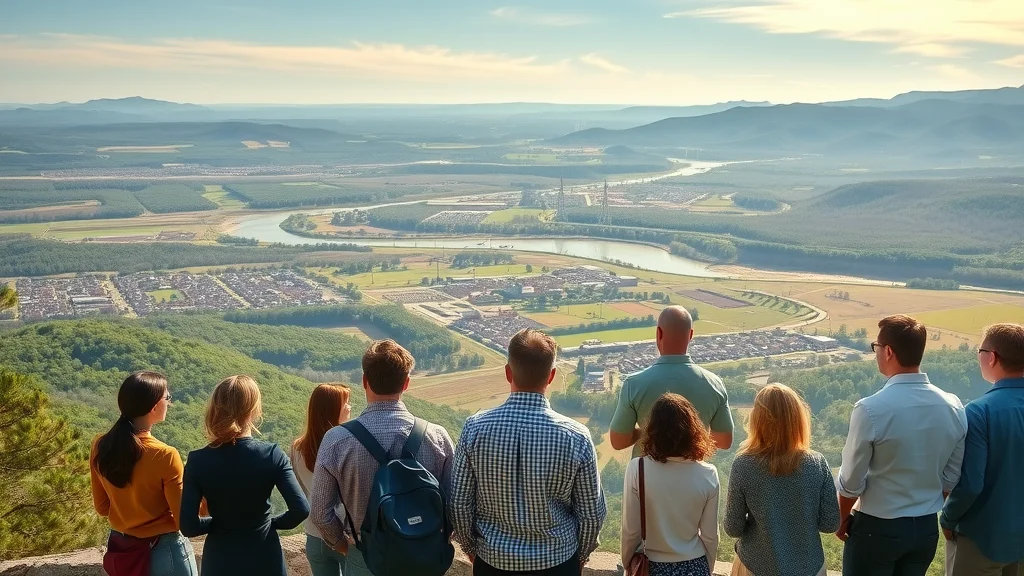
Inviting panoramic view of the Tennessee Valley with residents and business professionals overlooking the valley landscape and energy infrastructure in natural sunlight for the Tennessee Valley economic outlook

A Surprising Snapshot: The State of the Tennessee Valley Economic Outlook

"Did you know: The Tennessee Valley grew its job base by more than 8% between 2019 and 2023, outpacing the national average. This growth shapes everything from real estate to small business prospects across Huntsville, Birmingham, and Chattanooga."

The tennessee valley economic outlook stands out as one of the most compelling regional stories in the United States. In this fast-growing corner of the country, we find a remarkable convergence of economic drivers—robust job markets, increased infrastructure investment, and a flourishing real estate sector. As economic development expands, so too do opportunities for those living and investing in the valley region. Recent Tennessee Valley Authority data suggests the area’s diverse industries, from advanced manufacturing to green tech, have helped insulate the region from the volatility seen elsewhere.

The evidence can be seen in the vibrant skylines of cities like Chattanooga and Huntsville, where cutting-edge businesses, bustling downtowns, and renewed neighborhoods reflect intentional planning and thoughtful investment. For community leaders and everyday residents, this moment is not merely a statistical uptick—it’s a window of possibility. The combination of affordable energy, a collaborative development team, and strong public-private partnerships has not only fostered stability but also created one of the most resilient markets in the country. Understanding these factors is essential for anyone hoping to make informed decisions about homebuying, starting a new venture, or contributing to the future of the Tennessee Valley region.

Dynamic urban skyline of Chattanooga or Huntsville with economic activity and small businesses reflecting the Tennessee Valley economic outlook

Understanding the Tennessee Valley Economic Outlook: Context and Importance

Why the Tennessee Valley Economic Outlook Matters to Residents and Investors

The tennessee valley economic outlook is more than just a forecast; it acts as a lens through which residents, homebuyers, and investors can measure risk, plan for success, and build lasting value. For families settling in places like Murfreesboro or Decatur, understanding the state of economic development helps pinpoint neighborhoods with strong schools, robust amenities, and enduring property values. For real estate investors and business owners, the valley’s ongoing transformation—accelerated by local power companies and advanced energy projects—signals openings for new construction, financing tools, and workforce growth. 

Anchored by its mission as a major economic driver, the valley authority has enabled the region to weather national economic headwinds and health crises better than many other markets. The interplay between public power, cutting-edge innovation, and community engagement ensures opportunities remain accessible, not just for luxury buyers and major developers, but for downsizers, first-time homebuyers, and newcomers. At a time when affordability is a national concern, the valley region’s capacity to offer both quality of life and long-term appreciation stands as a clear advantage.

How Economic Development Drives Opportunity in the Valley Region

Economic development in the Tennessee Valley region translates directly into more jobs, higher wages, and abundant entrepreneurial prospects. The area’s mission of service—to provide reliable energy, infrastructure, and community support—powers an ecosystem of growth benefiting local businesses and neighborhoods. As oak ridge and other communities attract high-profile data centers, advanced manufacturing, and green tech players, the region creates a virtuous cycle: new industries fuel population gains, which nurtures new local commerce and expands service offerings for all residents.

For homebuyers and investors, these developments mean more than rising property values. They hint at lasting economic resilience—capacity to absorb economic shocks, leverage natural resources like affordable energy, and continuously improve the valley’s national reputation. Entrepreneurs look to cities like Athens or Cleveland as launch pads for new ventures, drawn by affordable operating costs, streamlined site selection, and direct access to a skilled workforce. Whether you’re launching a new business, relocating for work, or seeking a safe haven for your retirement investments, understanding these forces equips you to act with confidence.

Professional real estate agent and diverse homebuyers reviewing property in a modern Tennessee Valley neighborhood, illustrating the Tennessee Valley economic outlook

Historical Overview: From the Valley Authority to Today’s Economic Landscape

The Valley Authority’s Mission of Service and Early Impact

The creation of the Tennessee Valley Authority (TVA) during the depths of the Great Depression marked a turning point for the region. Tasked with a groundbreaking mission of service—to modernize agriculture, control annual flooding, and provide affordable, reliable electricity—the TVA became a model for regional economic development in the United States. Early investments in hydroelectric dams and rural infrastructure didn’t just stabilize communities from environmental hazards; they set the stage for the transformation of entire city economies across east Tennessee, Alabama, and northern Mississippi.

The initial impact went well beyond electricity. New energy access enabled improvements in education, healthcare, and transportation. Rural populations were empowered to participate in new industries, leading to a sharp uptick in quality of life and household income. The legacy of this era is still visible today, as the principles of public power and community-focused economic development continue to guide the actions of the TVA and its local power company partners throughout the valley region.

Key Milestones in Tennessee Valley Economic Development

The story of the Tennessee Valley’s economic rise is marked by several pivotal moments. The arrival of major defense and nuclear energy projects during and after World War II, the construction of iconic hydroelectric plants, the emergence of Oak Ridge as a technology hub, and the more recent boom in advanced manufacturing and data center development have collectively defined the regional landscape. Each chapter introduced a new phase of economic development, opening doors for public-private collaboration and regional prosperity.

Decades later, the tradition of innovation continues with the expansion of advanced energy, strategic site selection for global brands, and investment in local infrastructure. Today’s Tennessee Valley region stands as a testament to resilience, visionary planning, and an enduring commitment to community development—a set of values reflected in everything from energy policy to neighborhood design.

Historic hydroelectric dam and early TVA engineers with original machinery, symbolizing the Valley Authority’s mission and economic growth

Advanced Energy and the Modern Tennessee Valley Economic Outlook

Role of Local Power Companies and Regional Innovation

As the demands of the twenty-first century intensify, the Tennessee Valley region has emerged as a testing ground for advanced energy innovation. Local power companies, guided by TVA’s mission, are leveraging new technologies to reduce costs, limit outages, and attract site selections for industries dependent on resilient grids—like data centers and security administration facilities. The collaboration between public institutions and private firms, anchored by shared economic development priorities, enables the region to adapt to energy transitions without risking stability.

Innovation is not just about replacing aging infrastructure; it’s about strategically investing in battery storage, smart grid systems, and distributed solar—all of which contribute to economic growth by making the valley more attractive to next-generation employers. This ongoing transformation places the Tennessee Valley at the forefront of the national conversation about public power and climate-smart development models propelled by advanced energy strategies, ensuring sustained opportunity for future generations.

Advanced Energy Initiatives Powering Economic Growth

  • Decarbonization efforts
  • New solar and battery projects
  • Job creation in green tech

Advanced energy initiatives are not only protecting the valley environment—they’re actively powering economic renewal. TVA’s announced plans for expanded solar installations, large-scale battery facilities, and next-generation nuclear energy are already attracting investment and creating thousands of new jobs. As more companies prioritize sustainability, the region’s readiness to deliver affordable, reliable, and renewable energy emerges as a top selling point for site selection teams and potential residents alike.

Green tech projects across Huntsville, McMinn County, and east Tennessee increasingly support everything from growing data centers to residential real estate developments. This is how advanced energy dovetails with broader economic trends—offering pathways for job seekers with diverse backgrounds while positioning the valley region as a leader in climate stewardship and innovation. Future growth will depend on the valley’s continued willingness to invest early and maintain its bold, regionally distinct approach to energy and community development.

Cutting-edge solar farm with battery installations and engineers inspecting in the Tennessee Valley, reflecting advanced energy driving the economic outlook

Current Trends in Tennessee Valley Economic Development

Real Estate Market Dynamics Across the Valley Region

Scrutinizing the Tennessee Valley’s real estate market reveals a compelling narrative: robust demand, rapidly growing metropolitan areas, and sustained migration into the region. Cities like Florence, Chattanooga, and Madison County have seen a surge in new construction fueled by families relocating for work and retirees seeking a superior quality of life. This consistent influx drives up property values and prompts neighborhood reinvestment. Yet, the valley’s trademark affordability—relative to national trends—continues to attract first-time buyers and seasoned investors alike, who appreciate the region’s economic resilience.

While much of the United States has faced uneven market cooling, the valley region’s steady job growth, reasonable cost of living, and healthy local power grid have insulated real estate from more dramatic swings. Forward-looking buyers benefit from an understanding of hyperlocal factors: the availability of new infrastructure, expansions at nearby data centers, and proximity to advanced manufacturing facilities. With a focus on sustainable growth, both homeowners and developers are able to make smart, future-proof investments—supported by local economic development teams attuned to both local and national shifts.

Modern suburban real estate for sale in the Tennessee Valley with excited buyers and agent highlighting market trends and opportunities

Business Growth, Entrepreneurship, and the Future of Work

The entrepreneurial spirit runs deep throughout the Tennessee Valley region. Fueled by new advanced energy infrastructure, competitive wage growth, and access to world-class logistics, local entrepreneurs are redefining the future of work. Innovative coworking spaces, bustling startups, and established firms alike are benefiting from regional assets ranging from affordable public power to highly skilled labor drawn from research centers such as Oak Ridge and universities in east Tennessee.

The future for entrepreneurs and business leaders is bright as more companies integrate remote or hybrid work models, spurring demand for both tech-enabled office spaces and supportive local services. This momentum, paired with ongoing investments in advanced manufacturing and data center expansion, signals a promising trajectory for the valley region. For residents and newcomers alike, understanding these business trends—along with data on job growth, wage changes, and cost of living—is crucial for making smart work and investment decisions.

Recent Economic Indicators – Major Tennessee Valley Cities
City Job Growth (2019–2023) Median Home Price (2023) Median Annual Wage Cost of Living Index
Huntsville, AL 9.1% $345,000 $57,200 92.6
Chattanooga, TN 8.4% $320,000 $54,100 94.7
Florence, AL 6.7% $238,000 $43,300 89.9
Murfreesboro, TN 7.9% $376,000 $51,700 97.3
Decatur, AL 6.2% $209,000 $42,800 90.5

Entrepreneurs collaborating in a modern Tennessee Valley co-working space, symbolizing business growth and the future of work

Challenges in the Tennessee Valley Economic Outlook

Drawbacks and Critiques of the Tennessee Valley Authority

No assessment of the tennessee valley economic outlook is complete without considering the critiques facing the valley authority. While the TVA’s legacy of innovation and stability is undisputed, questions persist about its centralized governance structure and the degree to which it addresses—or hinders—local input. Environmental advocates have highlighted the historic carbon imprint of legacy projects and the slow pace of certain sustainability commitments. Some local power companies argue that large-scale decision-making can overlook on-the-ground realities, especially for smaller communities pursuing equitable development.

Transparency and adaptability remain ongoing concerns. As advanced energy pressures grow and climate imperatives become more urgent, community leaders and residents are increasingly vocal about the need for the TVA and its partners to embrace bold reform, regional equity, and active listening with key stakeholders. These debates reflect both the valley’s strengths—a responsive public square and high civic engagement—and the healthy tension that drives real progress within the region’s economic development model.

Local Power and Infrastructure Hurdles

  • Aging grid challenges
  • Utility costs
  • Equity concerns

The region’s economic future depends on tackling aging electrical infrastructure and keeping utility costs manageable even as energy demand surges. Many rural communities across the Tennessee Valley region face reliability concerns or struggle to finance the modernization of older substations. At the same time, affordability and equitable access have emerged as urgent talking points for community development advocates. Efforts to address these issues—including grid upgrades, rebalancing cost structures, and targeting investments where they’re needed most—are vital for maintaining growth momentum and ensuring everyone in the valley region can benefit from increased economic dynamism.

Ultimately, overcoming these challenges will require a unified vision across local governments, public and private sector leaders, and the heart of the community. Only with inclusive planning and a willingness to address historical inequities can the Tennessee Valley sustain its remarkable economic outlook well into the future.

Aging electrical substation in the Tennessee Valley with a technician inspecting equipment, illustrating infrastructure challenges facing the region and its economic outlook

Opportunities for Residents, Homebuyers, and Developers

Navigating the Real Estate Market in Light of the Tennessee Valley Economic Outlook

For aspiring homeowners, developers, and real estate investors, the evolving tennessee valley economic outlook offers practical pathways to building long-term value. Armed with knowledge of hyperlocal trends, buyers can target emerging neighborhoods, time their entry for maximum appreciation, and integrate quality-of-life criteria with financial goals. Whether drawn to Huntsville’s innovation corridor or the green neighborhoods sprouting just outside Decatur, understanding infrastructure spending, planned developments, and school district upgrades is key.

Developers and newcomers can lean on regional expertise—via local property advisors, community leaders, and the valley’s renowned economic development team—to ensure site selection choices align with growth forecasts. Leveraging advanced energy options and proximity to job centers, new construction projects enjoy a competitive edge, while long-time residents benefit from rising home values and improved local amenities. This dynamic creates a virtuous circle that reinforces the region’s appeal—a win for buyers and the broader community alike.

Best Practices for Investors and Newcomers

  • Target neighborhoods ripe for growth
  • Smart financing and timing in the valley region
  • Community amenities and quality-of-life factors

Investors and those relocating to the Tennessee Valley region should utilize a data-driven approach: identify submarkets benefiting from advanced energy investment, monitor public infrastructure upgrades, and work closely with reputable local advisors. Making informed decisions about financing—whether it’s locking in low mortgage rates or leveraging regional incentives—enhances long-term returns. Lastly, never underestimate the power of community engagement. Areas with strong civic associations, parks, and cultural institutions offer both immediate satisfaction and lasting appreciation, making them ideal choices for buyers at every life stage.

Confident investor and real estate advisor analyzing blueprints and digital models for property development in the Tennessee Valley economic outlook

Quotes from Business Leaders and Local Experts on the Tennessee Valley Economic Outlook

"The Tennessee Valley’s resilience is driven by its forward-looking energy sector and vibrant local communities." – Local Economic Development Official

Portrait of a local economic expert in a modern workspace, reflecting confidence in the Tennessee Valley economic outlook

People Also Ask: Your Questions About the Tennessee Valley Economic Outlook Answered

Is the Tennessee economy booming?

  • The tennessee valley economic outlook remains positive, with significant job and wage growth in key cities. Diversifying industries and population inflows are spurring economic development throughout the valley region.

What are the drawbacks of the Tennessee Valley Authority?

  • While the tennessee valley authority has stabilized regional resources and enabled economic growth, critiques focus on environmental impact, centralized control, and challenges for local power companies.

How does the Tennessee Valley Authority affect us today?

  • The tennessee valley authority continues to shape daily life by providing energy, supporting advanced energy tech, driving economic development, and enhancing infrastructure across the valley region.

How did the Tennessee Valley Authority help the economy?

  • Historically, the tennessee valley authority spurred economic development by bringing electricity, controlling floods, and modernizing agriculture, which transformed the economic outlook of the entire valley region.

FAQs on Tennessee Valley Economic Outlook, Power Companies, and Real Estate

  • What factors most influence the Tennessee Valley economic outlook for real estate buyers? Access to advanced energy, strong job growth, planned infrastructure improvements, and regional population trends are the largest factors impacting the market.
  • How is advanced energy shaping the valley region’s job market? Advanced energy drives demand for skilled workers, supports data centers and new industries, and helps attract site selections for global companies.
  • Where can I find the most up-to-date data on economic development in the Tennessee Valley? Explore local authority sites, economic development office releases, and trusted media like The Tennessee Valley Insider for current insights.
  • What is the long-term mission of service for the valley authority? The authority aims to provide affordable, reliable public power, support regional prosperity, and foster sustainability and resilience for all communities.

Key Takeaways: The Tennessee Valley Economic Outlook for 2024 and Beyond

  • The tennessee valley economic outlook is robust, underpinned by advanced energy investments and a responsive valley authority
  • Real estate and business opportunities are expanding across the valley region
  • Informed, regionally grounded decisions are key for stakeholders

Candid community gathering in a Tennessee Valley park, with families, business owners, and residents enjoying economic growth and quality of life

Conclusion: Looking Forward in the Tennessee Valley Economic Outlook

Staying Informed and Taking Action on the Economic Development in the Valley Region

  • Subscribe for weekly insights from The Tennessee Valley Insider to stay ahead in real estate, economic trends, and community life.

Economic Outlook

0 Comments

Write A Comment

*
*
Related Posts All Posts
01.25.2026

Unlock How Public Infrastructure Investment Alabama Transforms Communities

Did you know: Every $1 invested in public infrastructure returns up to $3 in economic growth, according to the Federal Highway Administration. Yet, the real impact of public infrastructure investment in Alabama and Tennessee often happens out of the spotlight—reshaping communities from the Black Belt to the Tennessee Valley and influencing everything from job growth to housing values. This article unveils how targeted infrastructure investment shapes daily life, economic opportunity, and the regional future for residents and businesses across the state lines. What You’ll Learn About Public Infrastructure Investment Alabama Tennessee Ways public infrastructure investment Alabama Tennessee shapes economic growth How state and local government prioritize infrastructure projects Insight into the impact of the Bipartisan Infrastructure Law Challenges and future prospects for regional public infrastructure Public infrastructure investment Alabama Tennessee is more than just bridges and water systems—it's an engine for community revitalization, economic development, and future resilience. Understanding how these investments are prioritized by state and local governments, how the Bipartisan Infrastructure Law is catalyzing new projects, and what barriers remain for underserved areas is vital for regional leaders, homebuyers, and investors seeking reliable information about what drives growth and livability across the region. These insights are critical as the Alabama Governor, state and local officials, and community stakeholders continue to navigate funding challenges and maximize opportunities. For residents, tracking the evolution of infrastructure projects provides a roadmap for how the region will adapt to population shifts, changing economic patterns, and ongoing demands for improved water supply, broadband, and transportation networks. Whether you live in Birmingham, Decatur, or the rural stretches of the Black Belt, the benefits and hurdles of public infrastructure spending touch every corner of life—affecting jobs, schools, home values, and long-term prosperity. A Surprising Look at Public Infrastructure Investment Alabama Tennessee: The Hidden Impact “Every $1 invested in public infrastructure returns up to $3 in economic growth.” – Federal Highway Administration It's often said the most meaningful changes happen quietly. Across Alabama and Tennessee, public infrastructure investment is the force behind subtle but transformative improvements. Revitalized main streets in once-struggling towns now host businesses and civic events, thanks to upgraded sidewalks, water supply systems, and transportation infrastructure. While infrastructure projects might seem routine—laying pipe, resurfacing roads, or upgrading broadband—their effects ripple out, creating jobs, attracting new residents, and increasing real estate investment potential. For example, investments in water infrastructure have directly improved the quality of drinking water for homes and businesses while reducing public health risks and making neighborhoods more attractive to investors. Modernized bridges and roads, funded through federal and state initiatives, have shaved minutes off daily commutes and reduced wear on vehicles—small quality-of-life changes that accumulate profound benefits over years. As these projects build momentum, they drive not only economic development but also a renewed sense of pride and possibility throughout the region. Why Public Infrastructure Investment in Alabama and Tennessee Matters Now The urgency to invest in public infrastructure Alabama Tennessee comes at a pivotal moment for the region. Population growth in cities like Huntsville and Murfreesboro, coupled with manufacturing expansions in the broader Tennessee Valley, have placed new demands on existing roads, utilities, and public services. Meanwhile, rural areas—especially in the Black Belt—struggle to secure stable water infrastructure and broadband access, two elements closely tied to economic opportunity and quality of life. Infrastructure investment has now become both a necessity and a strategic choice. As policymakers and local leaders navigate the post-pandemic landscape, the implications of state and federal funding—including the Bipartisan Infrastructure Law—can be felt in how effectively Alabama and Tennessee compete for business investment, retain homegrown talent, and prepare for future generations. Recent legislative efforts spotlight water system overhauls, transportation improvements, and expanded digital connectivity as top priorities, driven by both immediate needs and a vision for long-term resilience. Examining the Tennessee Valley Context for Public Infrastructure The Tennessee Valley stands as a unique backdrop for the evolution of concrete, steel, and innovation that defines modern infrastructure. Straddling both Alabama and Tennessee, this region is shaped by its geography—rolling hills, river crossings, and a patchwork of urban-rural divides. The Tennessee Valley Authority, a legacy of New Deal-era investment, laid the groundwork for much of today’s debate about sustainable infrastructure. Yet, current pressures are different: rapid metropolitan growth, aging water systems, and the need to diversify economic development anchor the discussion. The region's position as a logistics hub is both an asset and a challenge. Infrastructure projects here increasingly focus on bridging rural and urban interests, ensuring that communities from Florence to Chattanooga can tap into 21st-century opportunities. In this context, the coordination of state and local governments, the agility to leverage federal funds, and a keen focus on resilience (especially amid climate change and technological disruption) define the region’s prospects for future growth. Infrastructure Investment and Regional Economic Development The intersection of infrastructure investment and economic growth is perhaps clearest in the ripple effects felt throughout the job market and business ecosystem. Upgrades to roads and bridges not only reduce transit times but also attract logistics firms and manufacturers—industry clusters that bring high-paying jobs and foster secondary growth in small business and service sectors. Local economic development organizations routinely cite infrastructure improvements as a top draw for outside investment and business relocation. Beyond physical assets, investments in broadband infrastructure have enabled a new generation of digital entrepreneurs and remote workers to set up base in smaller cities and rural communities. The Jobs Act and recent rounds of federal funding have accelerated this transformation, turning infrastructure spending into a catalyst for diverse growth, stronger community schools, and improved access to healthcare. The focus is as much about enabling future economic opportunity as addressing today’s infrastructure deficiencies. Workforce Trends Tied to Infrastructure Projects As public infrastructure projects proliferate across Alabama and Tennessee, so do the opportunities for residents seeking rewarding, sustainable careers. Major construction, engineering, and utility upgrade projects are generating diverse roles—from skilled trades to project management and technological oversight. State and local workforce development initiatives are increasingly aligned with infrastructure investment strategies, aiming to train young people and adults alike for these emerging fields. This strategic alignment means that infrastructure dollars don’t just fix roads—they build futures. Apprenticeships, credentialing programs, and public-private partnerships, often highlighted by the Alabama Governor and local officials, are addressing both immediate labor needs and broader trends around workforce mobility and retention. The legacy will be measured in both infrastructure and people—the two true pillars of thriving, equitable growth for future generations. The Role of State and Local Governments in Public Infrastructure Investment Alabama Tennessee The collaboration between state and local governments is crucial in shaping the scale and success of public infrastructure investment Alabama Tennessee. Every major infrastructure project—whether it’s a new water system in a rural county or a multi-lane expressway in a growing metro—requires careful coordination, transparent communication, and strategic alignment of goals. Cities and counties work with the Department of Transportation, regional planning commissions, and utility authorities to design, fund, and execute projects that meet local needs while adhering to state and federal criteria. In both Alabama and Tennessee, the governor’s office, legislative bodies, and municipal governments have elevated infrastructure as a top priority, informed by feedback from business leaders, community advocates, and residents. Effective investment in roads, bridges, water supply, and internet infrastructure not only delivers immediate benefits but sets the foundation for sustained economic development and improved community well-being. From addressing unique challenges in the Black Belt to deploying funds in growth corridors like Huntsville and Chattanooga, government action is pivotal. Coordinating State and Local Public Infrastructure Efforts Effective infrastructure investment rarely happens in isolation. State and local officials are tasked with harmonizing diverse interests—economic, environmental, social—into unified policies that maximize the impact of each dollar spent. Regular city council meetings, regional planning sessions, and intergovernmental task forces ensure that priorities around road improvements, water supply upgrades, and public safety enhancements are addressed methodically. In the Tennessee Valley, these collaborations help balance rural and urban needs, preventing the imbalance that can occur when state or federal funding is distributed unevenly. Leaders like Alabama Governor Kay Ivey have underscored the importance of this joint stewardship, often referencing the direct line between transparent government action, community engagement, and successful project delivery. Local governments, meanwhile, bring nuanced contextual understanding to infrastructure investment decisions—knowing which communities need urgent repairs, which corridors can drive economic development, and which underserved areas risk being left behind. Funding Mechanisms for State and Local Infrastructure Projects Funding for public infrastructure projects in Alabama and Tennessee comes from a blend of local, state, and federal sources. Recent federal funding initiatives, such as the Bipartisan Infrastructure Law and the American Jobs Act, provide significant capital for transformative projects. However, state and local governments also deploy bonds, local sales taxes, and public-private partnerships to supplement these investments and target specific challenges. Understanding the patchwork of funding is essential for residents tracking the progress of projects that affect their communities. These mechanisms, which include competitive grants, revolving loan funds for water infrastructure, and capital improvement programs, ensure that the region can meet pressing needs while retaining the flexibility to adapt funding streams as priorities shift. Ensuring full transparency in allocation and expenditures is an increasing focus, as communities demand greater accountability from state and local authorities. Public Infrastructure Investment Alabama Tennessee: Cases from the Black Belt and Beyond Nowhere is the relationship between infrastructure, opportunity, and equity more visible than in Alabama’s Black Belt. Long under-resourced, this region’s unique infrastructure needs—from improvements to drinking water and roads to community facilities—are now attracting renewed attention. Meanwhile, the Tennessee Valley showcases successful case studies where targeted investment in transportation, utilities, and broadband has catalyzed economic renewal and improved quality of life. These regional contrasts highlight the importance of place-based strategies. Tailoring infrastructure solutions to the demographic, geographic, and economic realities of each area produces better outcomes for residents and builds a firmer foundation for long-term sustainability. Black Belt’s Unique Infrastructure Needs and Opportunities The Black Belt—spanning a swath of rural central Alabama—has long faced historical and structural barriers to infrastructure improvement. Recent years, however, have brought new momentum as state and federal leaders have prioritized drinking water system replacements, road improvements, and broadband expansion. Investment here is about more than basic services; it’s a vehicle for economic justice and health equity, directly impacting the quality of life for residents. Local advocates and officials emphasize strategies that combine water infrastructure upgrades with comprehensive approaches to workforce training, community engagement, and health outcomes. As the Black Belt becomes more closely connected to statewide economic development efforts, every mile of new pipe or repaved highway ripples out into long-term opportunity. This progress remains fragile, but the focus on regional equity marks a turning point for Alabama’s rural communities. “Infrastructure is the backbone of thriving communities in the Black Belt.” – Regional planner Recent Success Stories in the Tennessee Valley Across the Tennessee Valley, effective public infrastructure investment is visible in new business parks, revitalized downtowns, and improved stormwater management systems. For instance, coordinated efforts in Huntsville and Birmingham have brought upgraded transportation corridors, expanded broadband for digital entrepreneurs, and modernized water supply to rapidly growing neighborhoods. These projects, often combining state and local leadership with federal funding, demonstrate the power of unified vision. They also provide replicable models for smaller cities and towns—intelligent water utility investments, transit expansion, and mixed-use community facilities. Collectively, these successes illustrate the region’s ability to harness infrastructure law provisions for jobs, economic development, and long-term community health. The Bipartisan Infrastructure Law: What It Means for Alabama and Tennessee The enactment of the Bipartisan Infrastructure Law represents a pivotal moment for Alabama and Tennessee. Designed to deliver billions in direct federal funding to states and municipalities, this legislation targets overdue repairs and upgrades for roads, bridges, drinking water, public transit, and broadband. Its focus on equity directs new resources to long-underserved communities, including the Black Belt and rural Tennessee, while incentivizing innovative approaches to resilient infrastructure. For local government leaders, business owners, and residents, understanding the law’s provisions and local impacts is essential to maximizing its potential. The law’s structure encourages new partnerships, leverages private investment, and introduces comprehensive reporting for accountability—laying the groundwork for quality improvements that will shape the region for decades to come. Key Provisions of the Bipartisan Infrastructure Law Affecting the Region The Bipartisan Infrastructure Law delivers dedicated funding streams for transportation, water, energy, and broadband. In Alabama and Tennessee, this translates into projects to modernize roads and bridges, replace aging water systems, expand transit in growing urban areas, and close the digital divide in remote communities. Direct allocations are made to departments such as the Department of Transportation, as well as utility authorities and broadband cooperatives—expediting shovel-ready and long-term infrastructure projects. Key highlights for the region include targeted grants for rural and underserved areas, incentives for projects that reduce environmental impact, and requirements for robust local reporting. Many state and local governments are using these federal funds to accelerate long-standing projects, update outdated public facilities, and prepare communities for growth and resilience. Expected Local Impacts from Recent Infrastructure Law “The bipartisan infrastructure law unlocks transformative potential for underserved areas.” – Policy analyst Early evidence suggests the Bipartisan Infrastructure Law is already making a visible impact. Road replacement projects, broadband rollouts in North Alabama, and major upgrades to water infrastructure in rural Tennessee are improving daily lives and opening the door to new business investment. Importantly, the law’s requirements for community engagement and reporting help ensure that investments are not only well-targeted but also accountable—setting new standards for transparency and local control. Over time, these investments are expected to create jobs, support small business startups, and strengthen the backbone of public infrastructure throughout Alabama and Tennessee. This momentum, in turn, supports regional ambitions for inclusive economic growth and generational resilience. Types of Infrastructure Projects Driving Growth Transportation (roads, bridges, transit expansion) Water/sewer and utility upgrades Broadband internet expansion Community facility partnerships Ambitious infrastructure projects are reshaping the economic and social map of the Tennessee Valley. Recent work includes reconstructions of major interstates and rural highways (reducing traffic fatalities and supporting logistics firms), renovations of outdated water treatment plants (improving the safety and taste of drinking water), and installation of high-speed fiber optic networks (enabling remote work and distance education). These diverse projects don’t just serve immediate needs—they serve as multipliers for growth, stability, and public health. Community facility partnerships—new libraries, recreation centers, and healthcare hubs—further define the region’s investment strategy. By aligning infrastructure upgrades with emerging demographic and economic trends, state and local agencies ensure that every project amplifies the region’s capacity for prosperity and resilience amid changing times. Challenges Facing Public Infrastructure Investment Alabama Tennessee Despite major progress, significant hurdles continue to hamper the full promise of public infrastructure investment Alabama Tennessee. Funding gaps, maintenance backlogs, and the logistical complexities of serving both urban and rural communities all present ongoing challenges. Climate resilience, rapidly shifting population patterns, and long-term planning requirements add further pressure on limited resources. As federal and state funds become available, the imperative is to ensure lasting impact—not only through new construction, but also through comprehensive maintenance and adaptation plans. Local governments must prioritize projects that can serve the most residents, stimulate real economic development, and provide the backbone for ongoing quality of life improvements. Balancing Regional Needs and Funding Gaps One of the toughest challenges is balancing the distinct needs of the Black Belt, rural Tennessee, and growth-focused metro areas. While cities compete for large projects to support new industries, rural communities may struggle to secure even basic upgrades. Disparities in federal funding allocations, complex grant application processes, and limited local matching funds can all delay or derail necessary projects. Advocacy from local leaders—often in collaboration with organizations focused on economic development and community well-being—is essential for ensuring a fair distribution of resources. Evaluating impact, demonstrating local commitment, and leveraging public-private partnerships may close some of the funding gaps, but ongoing vigilance and adaptability are required to align future investments with changing community needs. Long-Term Maintenance and Adaptation “Long-term planning is essential for sustainable public infrastructure investment.” – Local official Even the best-designed infrastructure projects require careful, ongoing maintenance to ensure sustainable benefits for future generations. Deferred maintenance—on roads, bridges, water supply systems, and broadband—can quickly erase hard-won gains. Regional leaders now emphasize comprehensive asset management strategies, resilience planning (to address climate risks and population shifts), and community education around the value of infrastructure spending. The real test for Alabama and Tennessee will be their ability to invest not only in new construction, but also in the institutional capacity to plan, monitor, and upgrade assets regularly. Dedicated funding for maintenance, greater use of digital monitoring tools, and increased local control are steps that can help the region stay ahead of emerging needs and deliver lasting returns on infrastructure investment. Public Infrastructure and Community Quality of Life Investments in public infrastructure Alabama Tennessee directly improve day-to-day life: cleaner drinking water, safer streets, shorter commutes, and more accessible community spaces. By removing barriers to jobs, healthcare, and cultural amenities, well-maintained infrastructure shapes everything from population growth to real estate investment, fostering vibrant communities that attract both families and new businesses. The joint effect on public health, economic opportunity, and community identity cannot be overstated. A focus on inclusive and equitable access—connecting rural and urban areas with similar quality of public services—remains a top priority for regional planners and government leaders. Access to Jobs, Housing, and Essential Services Robust infrastructure is a gateway to upward mobility and economic resilience. Improved roads and reliable public transit expand access to employment hubs, while upgraded water systems and community facilities anchor stable housing and support new home construction. Regional economic developers frequently point to infrastructure as the linchpin for attracting outside investment, promoting higher-paying jobs, and encouraging young families to stay and invest in their local communities. Expanding access to affordable, modernized housing is directly tied to infrastructure investment. As new developments rise near revitalized corridors or in previously neglected neighborhoods, both current residents and newcomers benefit from improved amenities, greater housing choices, and a strengthened sense of place. Connecting Rural and Urban Areas Improved health outcomes Greater real estate investment potential Bridging the gap between rural and urban communities is a recurring theme for stakeholders evaluating public infrastructure investment Alabama Tennessee. Health outcomes improve as more residents access clean water, reliable broadband, and better transportation. Meanwhile, enhanced connections between metropolitan job centers and rural talent pools support regional competitiveness and help maintain the distinctive character of the Tennessee Valley. Real estate investment potential rises in areas that can guarantee stable infrastructure—offering landlords, homeowners, and developers the confidence to pursue ambitious projects. This integration of new and existing assets underscores the importance of regional planning and collective action on the path to economic and social renewal. Public Infrastructure Investment Alabama Tennessee: Measuring Economic and Social Outcomes Comparison of Economic Indicators Pre- and Post-Infrastructure Investment Selected Alabama and Tennessee Communities Indicator Pre-Investment Post-Investment Impact Median Home Value $145,000 $170,000 +17% Unemployment Rate 6.5% 4.2% -2.3 pts Business Startups (annual) 75 104 +39% Population Change (5 years) +1.2% +4.4% +3.2 pts Job creation by infrastructure project type Impact on housing affordability and growth Business startup rates linked to infrastructure expansion Quantitative data underscores the broad value of public infrastructure investment Alabama Tennessee. Metrics like median home value, unemployment rate, and business startup counts paint a clear picture: targeted investments drive positive economic and social change. Additionally, increased access to affordable housing and job opportunities improves population retention, supporting the overall vitality of communities in the Tennessee Valley. Analysts consistently link business formation rates, population growth, and housing market strength to recent infrastructure upgrades. For households and businesses alike, these improvements signal increased opportunity and stability—a virtuous cycle that underlies the region’s ongoing evolution. People Also Ask about Public Infrastructure Investment Alabama Tennessee How does public infrastructure investment impact economic growth in Alabama and Tennessee? Public infrastructure investment stimulates economic growth by improving transportation networks, water systems, and digital connectivity. These enhancements reduce business costs, attract employers, and create new jobs. Over time, stronger infrastructure supports higher real estate values, boosts innovation, and strengthens the region’s economic resilience. What are examples of public infrastructure projects in the Tennessee Valley? Recent projects include upgrades to major interstates, water treatment facility renovations, broadband expansion, and the construction of new community centers and business parks. Notable efforts in Huntsville, Decatur, and Gadsden focus on integrating modern technology with foundational services to meet future growth demands. Who decides how public infrastructure funding is allocated in Alabama and Tennessee? Funding allocation is determined by a collaboration among state governments, local municipalities, regional planning commissions, and federal agencies. Feedback from community residents and business leaders also influences decision-making, ensuring projects align with both current needs and long-term regional priorities. What challenges do rural communities face in getting public infrastructure investment? Rural communities often encounter challenges such as limited local funding, difficulty securing matching grants, and complex federal application processes. Ensuring equitable distribution of resources and maintaining newer infrastructure over time can require creative partnerships and persistent advocacy. Frequently Asked Questions about Public Infrastructure Investment Alabama Tennessee What is the timeline for major infrastructure projects in the region? Timelines vary but most major projects span from one to five years, with regular public updates provided by local government websites and planning departments. Are there public forums for input on local infrastructure plans? Yes, many cities and counties host in-person and virtual forums where community members can review proposals and offer input before projects move forward. How can residents track progress on projects that affect their communities? Residents can track progress through dedicated city/county infrastructure pages, local news outlets, and official updates from state and local departments of transportation. Key Takeaways on Public Infrastructure Investment Alabama Tennessee Investment benefits every sector—from education to business growth Targeted infrastructure projects can boost quality of life and attract investment Challenges remain, but bipartisan support is opening new opportunities Where to Learn More and Get Involved Explore your city or county government’s infrastructure plans Participate in local economic development discussions Stay informed through The Tennessee Valley Insider updates Conclusion: Public infrastructure investment in Alabama and Tennessee shapes thriving, resilient communities. Stay involved, stay informed, and help drive the region’s future forward.

01.22.2026

Manufacturing in North Alabama: The Hidden Growth Engine Revealed

Did you know that more than 20% of jobs in North Alabama come directly from manufacturing? While the region is often recognized for its southern hospitality and outdoor beauty, its real economic force is rooted in a vibrant manufacturing sector What You'll Learn About Manufacturing in North Alabama Key insights into the current state of manufacturing in North Alabama A breakdown of leading cities and business clusters fueling regional growth Industry impact on jobs, community, and future investments Examination of major players such as Lockheed Martin in the regional economy A Surprising Statistic: The Unseen Economic Impact of Manufacturing in North Alabama "Did you know over 20% of jobs in North Alabama originate from manufacturing, positioning the region as an industrial powerhouse within the Southeast?" Table: Manufacturing in North Alabama By The Numbers City Number of Manufacturing Facilities Major Employers Total Jobs (2024 Estimate) Huntsville 85+ Lockheed Martin, Toyota, Northrop Grumman 28,000+ Decatur 52 United Launch Alliance, GE Appliances 15,000 Florence 29 International Paper, Southwire Company 8,500 Gadsden 22 Fehrer Automotive, Prince Metal Stamping 6,000 Athens 24 Steelcase, Turner Medical 4,700 Cullman 34 REHAU, Yutaka Technologies 7,800 Albertville 15 Mueller Company, Pilgrim’s Pride 4,000 10 Key Drivers Powering Manufacturing in North Alabama Robust supply chain infrastructure Access to major highways and transport corridors Proximity to research institutions and universities in north alabama Skilled workforce and training programs Growth of aerospace and defense sector (including Lockheed Martin) Supportive state and regional business incentives Emerging automotive and advanced materials clusters Collaboration with local colleges and technical schools Strong regional economic development organizations Commitment to technology adoption and innovation in manufacturing Manufacturing Cities in Alabama: Regional Hubs Shaping North Alabama Huntsville: North Alabama's Innovation Capital Huntsville stands out as the premier hub for manufacturing in north Alabama. With the presence of global leaders like Lockheed Martin, Northrop Grumman, and a major Toyota plant located in Huntsville, the city has developed a robust industrial base that extends well beyond aerospace and missile defense. Not only is Huntsville home to the Redstone Arsenal and NASA’s Marshall Space Flight Center, but it also features a wide variety of manufacturing expertise, including advanced materials, electronics, and automotive components. The city of Huntsville benefits from close proximity to research partners at the University of Alabama in Huntsville and an influx of talent fostered through collaborations with local colleges. Anchored by a steady record of economic impact and an ever-growing industrial park, Huntsville’s commitment to innovation continues to attract significant investment in both military and commercial markets. Local and state officials often highlight Huntsville’s role as a model of how manufacturing can be leveraged for sustained community development. According to recent statements by Governor Kay Ivey and the Alabama Department of Commerce, the region’s workforce, favorable business environment, and access to global supply chains make it a strategic destination for companies searching for manufacturing plant locations. By providing incentives and supporting infrastructure growth, Huntsville continues to outpace many southern competitors as a city setting new standards in the largest industrial sectors. Decatur and Florence: Traditions Meet Technology Decatur and Florence are prime examples of manufacturing cities in Alabama where long-standing industries intersect with technological advancement. Decatur, located along the Tennessee River, has built a reputation for its concentration of chemical processing, plastics, and advanced manufacturing. Major employers such as United Launch Alliance and GE Appliances operate some of the most technologically advanced manufacturing facilities in north Alabama. Decatur’s industrial sector also benefits from its central location and accessible highway and rail networks, making it a shipping nexus within the Southeast. Florence, on the other hand, is known for its diverse product line, ranging from paper and metal fabrication to the growing medical device field. As a partner city with the University of North Alabama, Florence has invested heavily in technical programs that support workforce development, fueling growth in advanced materials manufacturing and providing the community with new employment opportunities. Both cities demonstrate how manufacturing in north Alabama is increasingly defined not just by what is produced, but also by the continuous integration of digital transformation, community partnership, and sustainable innovation. Gadsden, Athens, and Cullman: Resilient Manufacturing Communities Gadsden, Athens, and Cullman stand as resilient communities maintaining a steady track record of manufacturing excellence amidst changing market demands. Gadsden, rich in automotive and metal component production, plays a supporting role in Alabama’s automotive sector, while attracting investments in plastic products, food processing, and advanced machinery. Athens, deeply tied to the larger Huntsville metropolitan area, is home to a variety of manufacturing companies, including those specializing in steel, advanced polymers, and electronic components. Cullman’s manufacturing base is built around automotive parts and polymers, with a number of international companies operating manufacturing plants in the city. Thanks to investments in skilled labor initiatives and an emphasis on technical education, these cities have demonstrated the ability to evolve with the times. Again and again, their successes underscore how north Alabama leverages strong local leadership, regional economic organizations, and a supportive state government to keep manufacturing a driving force in both community stability and economic development. The Role of Lockheed Martin and Other Major Players in North Alabama Manufacturing Lockheed Martin's investments in aerospace and defense Legacy manufacturers and emergent tech firms in the supply chain Synergy between manufacturers and the Redstone Arsenal area Lockheed Martin, a leading global defense and technology corporation, has established a major manufacturing facility in Huntsville. This facility is renowned for its development and production of advanced missile defense systems and other aerospace products for military and commercial markets. Alongside Lockheed Martin, companies such as Northrop Grumman, Toyota Motor Manufacturing Alabama, and United Launch Alliance are cornerstones of the north Alabama manufacturing landscape. These firms account for thousands of jobs and inject substantial resources into local economies, further establishing the area as one of the largest industrial centers in the Southeast. The unique synergy found in regions surrounding the Redstone Arsenal supports a dense supply chain network, attracting suppliers and technology firms who specialize in precision components, electronics, and advanced materials. According to recent remarks by Governor Kay Ivey, north Alabama’s manufacturing base is not only about legacy production but is being actively shaped by public-private partnerships and continuous investment in digital tools, automation, and high-skilled labor. These collaborations have resulted in a sustainable environment where established giants like Lockheed Martin drive innovation forward while also fostering growth opportunities for local and regional businesses. "North Alabama’s manufacturing sector is not just about legacy industries, but is rapidly evolving thanks to technological investment and public-private partnerships." Industry Focus: What is Manufactured in North Alabama? Aerospace parts and defense systems Automotive components Advanced materials and polymers Food products and agricultural processing Medical devices and electronics Manufacturing in north Alabama spans a remarkably wide variety of industries. Aerospace and defense lead the way, with companies like Lockheed Martin and Northrop Grumman operating significant facilities in Huntsville and surrounding areas. Automotive components represent another crucial sector, exemplified by Toyota Motor Manufacturing Alabama’s engine plant. Beyond vehicles and missiles, the region is a strong producer of advanced polymers, plastics, and electronic systems, contributing to both military and commercial markets across the United States. Agricultural processing, food products, and medical device manufacturing further enrich the region’s diverse product line. Companies in Decatur, Florence, and Cullman produce everything from packaged foods and beverages to metal fabrications and high-precision medical instruments. The sector’s strength lies in its broad foundation rather than specialization alone, meaning that new investments and innovation in one field often spill over into others, reinforcing the economic impact of manufacturing throughout the state of Alabama and the broader Tennessee Valley. How Manufacturing in North Alabama Drives Local Economies and Workforce Job Creation and Economic Impact Across North Alabama Manufacturing in north Alabama is a primary engine of job creation and local economic development. According to the Alabama Department of Commerce, the region's manufacturing facilities in Huntsville and beyond sustain tens of thousands of jobs, making it one of the state's largest industrial employment sectors. With a proven track record of expansion and stability, manufacturing companies regularly invest in workforce training and operational upgrades, ensuring that high-paying jobs remain accessible to local residents. Manufacturing's economic impact isn’t limited to direct employment. The sector supports an extensive ecosystem—ranging from logistics, maintenance, and technical services to suppliers of raw materials and equipment. This interconnected network amplifies the sector’s effect on housing markets, retail, education, and infrastructure throughout north Alabama. As new plants and advanced lines come online, the ripple effect not only boosts regional prosperity but also attracts new residents and real estate investment, which are central topics in local economic development discussions. Training Initiatives: Community Colleges and Skilled Labor Programs North Alabama’s community colleges and technical schools play a vital role in the region’s manufacturing pipeline. Schools like Calhoun Community College and Wallace State Community College partner with top employers to offer training in advanced manufacturing, precision machining, and robotics. These programs are designed to align directly with the needs of modern manufacturing facilities, ensuring graduates are job-ready for roles at Lockheed Martin, Toyota, and other key industry leaders. From CNC machining labs to apprenticeships funded through public-private collaboration, these customized programs represent a strategic investment in local talent. By developing a workforce equipped for today’s high-tech, automated environments, north Alabama communities can attract further manufacturing expertise and support new facility launches, keeping the region competitive with other advanced manufacturing hubs across the Southeast and the nation. Manufacturing Career Pathways in North Alabama For individuals considering relocation, manufacturing in north Alabama offers numerous career pathways. Entry-level positions in assembly or process control provide steady employment opportunities, while upskilling through technical programs can lead to specialized roles in robotics, machine operations, quality assurance, and engineering. Accessible growth paths and investment in continuing education create an environment where experienced workers can advance into supervision or management roles. Manufacturing careers in the region frequently intersect with broader trends in technology and supply chain management, making north Alabama an increasingly attractive location for both early-career professionals and experienced workers looking to specialize or move into leadership roles. For families and young professionals, the availability of steady, high-quality manufacturing employment is often a crucial factor in choosing the Tennessee Valley as a place to live and build a future. Table: Major Employers and Manufacturing Specialties in North Alabama Employer Industry Facility Location Number of Employees Lockheed Martin Aerospace & Defense Huntsville 2,500+ Toyota Motor Manufacturing Alabama Automotive Engines Huntsville 1,800 Northrop Grumman Defense Systems Huntsville 1,200 United Launch Alliance Rocket & Launch Vehicle Manufacturing Decatur 1,000 GE Appliances Home Appliances Decatur 950 International Paper Paper & Packaging Florence 800 People Also Ask: What are the manufacturing cities in Alabama? Answer: Leading Manufacturing Cities in North Alabama Huntsville, Decatur, Florence, Gadsden, Cullman, Athens, and Albertville are among the most active manufacturing cities in North Alabama, each hosting a diverse mix of industries and employers. People Also Ask: What is the main industry in Huntsville, Alabama? Answer: Key Industries in Huntsville's Economy Huntsville's economy is anchored by aerospace (including NASA and the U.S. Army), advanced manufacturing, and research sectors, with significant contribution from high-tech and defense manufacturing. People Also Ask: What are three major industries in Alabama? Answer: Alabama’s Top Three Industries Manufacturing, agriculture, and automotive sectors are the three major industries shaping Alabama's broader economic landscape. People Also Ask: What do they manufacture in Alabama? Answer: Manufactured Products in Alabama Alabama manufacturers produce automobiles, aerospace components, food products, chemicals, electronics, and metal fabrications, reflecting a highly diversified industrial base. FAQs: Manufacturing in North Alabama What role does higher education play in North Alabama manufacturing? Higher education is essential, providing skilled graduates through technical colleges and university partnerships that meet the evolving needs of north Alabama’s manufacturing companies. Collaboration ensures workforce readiness, research support, and sustained growth across technical and engineering disciplines. How is manufacturing in North Alabama evolving post-pandemic? The sector has leaned heavily into automation, digital transformation, and supply chain adaptation. Analysts note increased investment from both legacy industries and emerging tech firms, helping stabilize employment and facilitating continued expansion despite global uncertainties. What environmental initiatives are manufacturers adopting in North Alabama? Many manufacturing facilities in Huntsville and surrounding cities are adopting energy-efficient technologies, waste reduction practices, and sustainable sourcing. Several companies have set public targets for reducing greenhouse gas emissions and increasing recycling across plant operations. How does the digital transformation impact North Alabama manufacturing? Digital tools, automation, and smart factory systems are increasingly common, boosting productivity and enabling north Alabama companies to compete globally. Robotics, 3D printing, and real-time analytics help manufacturers improve quality, reduce timescales, and meet the demands of complex product lines. Key Takeaways: Navigating the Manufacturing Landscape in North Alabama North Alabama remains a significant, evolving hub for manufacturing innovation. A dynamic mix of established corporations and new ventures drives community growth. Skilled labor, education partnerships, and infrastructure investments are key to the sector’s continued strength. Conclusion: The Ongoing Evolution of Manufacturing in North Alabama From advanced aerospace systems to next-generation materials, manufacturing in North Alabama continues to underpin economic growth and opportunity across the region.

01.22.2026

Tennessee Valley workforce development: How It Fuels Economic Growth

Startling Fact: The Tennessee Valley’s workforce expanded by more than 12% in the last ten years—vastly outpacing the national average and shifting the region’s economic trajectory in a way few expected. In today’s Tennessee Valley, a collaborative approach to workforce development fuels job creation, attracts new investment, and elevates the quality of life from Huntsville to Chattanooga and across the entire region. This article unpacks the agencies, policies, and practical partnerships driving these changes and explains why workforce strategies are foundational to the Valley’s ongoing prosperity. A Surprising Look at Tennessee Valley Workforce Development and Regional Prosperity “Did you know the Tennessee Valley’s workforce grew by over 12% in the past decade, far outperforming the national rate and redefining regional economic development?” The rapid expansion of tennessee valley workforce development is not a fluke—it’s the result of sustained investment in skills training, regional partnerships, and a strong alignment between education and local employers. While traditional sectors like manufacturing maintain their influence, new anchors in healthcare, technology, and logistics are rising fast, driving demand for skilled workers. High school graduates, seasoned professionals seeking to upskill, and career changers all benefit from targeted programs offered throughout the Valley’s network of job centers and workforce partners. As a result, the region’s economic development model has shifted from reactive job replacement to proactive talent cultivation. The impact is visible in household incomes, business recruitment efforts, and improved access to high-wage career paths. Collaborative initiatives spearheaded by job centers, American Job Centers, and the Tennessee Department of Labor have provided a platform for both large employers and local innovators to connect with a growing labor force, sustain job growth, and foster long-term prosperity. What You'll Learn About Tennessee Valley Workforce Development How Tennessee Valley workforce development drives job creation and economic development The key role of job centers and American Job Centers in talent training Major industries in the Tennessee Valley hiring skilled workers Insights on the Tennessee Department of Labor and evolving workforce policies Frequently asked regional questions about workforce development Understanding Tennessee Valley Workforce Development: Foundations and Impacts Defining Workforce Development in the Tennessee Valley Workforce development in the Tennessee Valley encompasses programs, policies, and partnerships that prepare residents for in-demand local jobs and ensure employers have access to a capable labor pool. The Valley—spanning dynamic urban hubs like Huntsville and Chattanooga as well as smaller communities in Alabama and Tennessee—has recognized that aligning skills training with local economic trends is essential for regional stability. From high school apprenticeship initiatives to adult education in advanced manufacturing, workforce development in the Valley is practical, community-driven, and continually evolving. Regional partners—including the Tennessee Department of Labor, local educational institutions, and employers—design training around sectors like advanced manufacturing, healthcare, logistics, and information technology. For job seekers, this means more pathways to upward mobility, whether through job centers, American Job Centers, or specialized programs for groups like veterans or seasonal farm workers. For employers, it means a steady pipeline of qualified candidates equipped to drive operational growth and innovation. Connecting Workforce Development to Economic Development and Prosperity Effective tennessee valley workforce development is at the heart of the region’s economic development. Each dollar invested in job training, apprenticeship programs, and occupational certification creates ripples that reach real estate, small business, and quality of life indicators. Robust training programs encourage companies to expand or relocate here, confident they’ll find the talent needed to succeed. Additionally, a well-coordinated labor force fuels entrepreneurship, attracts outside investment, and increases household income—all fundamental to sustained community growth. The development offers residents opportunities far beyond what many expect from similar-sized cities, contributing to the Tennessee Valley’s growing reputation as a destination for innovation and skilled workers. Strong sector partnerships ensure that local priorities—such as addressing workforce shortages in healthcare, construction, and technology—are met with effective solutions that build resilience into the region’s future. Key Institutions: Job Centers, American Job Centers, and the Tennessee Department of Labor Role of Job Centers in Tennessee Valley Workforce Development Regional job centers act as the main connection point for job-seekers, employers, and community partners throughout the Tennessee Valley. These institutions—sometimes called American Job Centers—offer a wide spectrum of services: personalized career counseling, skills assessment, job matching, resume workshops, job fairs, and connections to local employers with current job openings. Through partnerships with the Tennessee Department of Labor and local governments, these centers support everyone from new graduates to mid-career professionals and even seasonal farm workers. Many facilities include dedicated training labs, high school outreach, and digital resources so clients can apply online or engage with mobile American Job Centers across the region. The combined effort is designed to close labor market gaps and give the Valley’s workforce a competitive edge in recruitment efforts and career advancement. How American Job Centers Advance Workforce Development Programs American Job Centers are the backbone of local workforce development strategy, operated in collaboration with federal, state, and regional partners. Their main content is built around helping job seekers skip to main content that will help them build careers—whether through apprenticeships, accredited training, or connections to growing industries. These centers are also a crucial resource for Tennessee employers, offering talent recruitment, workforce solutions, and support for hiring events. By focusing on collaborative programming and employer engagement, American Job Centers ensure that the services provided are always in step with the rapidly changing needs of the labor market. This includes adaptation for mobile American Job Centers that bring services closer to those in rural or underserved areas in the region, ensuring that all residents have access to opportunities. Tennessee Department of Labor: Policy and Support for Workforce Growth The Tennessee Department of Labor provides both policy direction and financial support for the region’s workforce ecosystem. In coordination with job centers and regional partners, the department sets standards for training quality, oversees state and federal workforce investments such as the Workforce Innovation and Opportunity Act (WIOA), and evaluates outcomes to ensure effectiveness. The department’s role in the Tennessee Valley has expanded in recent years to include sector-based strategies, improved support for veterans and the underemployed, and a focus on high-impact grants for in-demand careers. Through policy updates and funding mechanisms, the department encourages alignment among high schools, technical colleges, employers, and community organizations to drive sustainable economic growth and offer flexible, responsive workforce solutions to residents and businesses alike. The Workforce Development Ecosystem: High-Demand Jobs and Regional Collaboration Jobs in High Demand across the Tennessee Valley Advanced Manufacturing Healthcare Construction & Trades Information Technology Logistics and Supply Chain The Tennessee Valley’s labor market is shaped by significant demand across multiple high-growth sectors. Advanced manufacturing remains an anchor—supported by the presence of the Tennessee Valley Authority and regional partners—but there are also robust opportunities in healthcare, logistics, information technology, and construction trades. This high demand is driven by ongoing regional investment, supportive workforce policies, and a focus on recruiting both new graduates and experienced professionals. Healthcare upskilling, tech certifications, and construction apprenticeships are all responses to direct calls from industry leaders for more qualified workers. Organizations like job centers and workforce partners help bridge the gap, giving residents real pathways into stable, rewarding careers. Collaboration Between Local Employers, Job Centers, and Educational Institutions The success of tennessee valley workforce development is largely attributable to its collaborative approach. Local employers, job centers, American Job Centers, and educational institutions work together to design training that aligns with real labor market needs—often co-developing curriculum, internships, and skill-building programs. Regular roundtables, workforce advisory boards, and sector partnerships ensure that training evolves alongside industry trends. This regional alignment means more efficient job matching and less skills mismatch, optimizing both recruitment efforts and long-term employee retention. High schools, technical colleges, and four-year universities all have pathways connected to local employers, ensuring students and adult learners alike are equipped for rewarding careers in the Tennessee Valley’s priority sectors. Take a short video tour inside a modern Tennessee Valley job center to see career counselors, job-seekers using digital resources, and skills workshops in action. The focus is on community, accessibility, and high-tech support—hallmarks of a region intent on workforce excellence. Tables: Funding Sources and Economic Outcomes from Tennessee Valley Workforce Development Program/Source Annual Investment ($M) Primary Beneficiaries Impact on Job Growth Workforce Innovation and Opportunity Act (WIOA) 40 Job Seekers, Training Providers +2,500 Jobs/Year State of Tennessee Grants 25 Employers, Apprenticeships +1,300 Jobs/Year Local/Regional Initiatives 18 Underemployed Workers +900 Jobs/Year This table illustrates how investment in workforce development across public, state, and local lines directly translates into annual job growth and increased opportunities for residents. Workforce Development Success Stories in the Tennessee Valley “After attending a workforce program at my local job center, I secured a stable position in advanced manufacturing—one I never imagined possible.” – Regional Resident Employer training partnerships in Huntsville Healthcare upskilling in Chattanooga Tech certifications in Birmingham and Florence Every community across the Valley has its own stories of transformation—thanks to targeted training, local partnerships, and dedicated job center teams. Whether it’s a high school graduate earning an industry certification, a midlife career switcher landing a logistics job, or a single parent thriving after healthcare upskilling, the real impact of these programs is measured in personal success and economic resilience. Cities including Huntsville, Chattanooga, Birmingham, and Florence continually report increases in job placement and workforce retention, showing the tangible results of partnerships between job centers, American Job Centers, and innovative employers who are investing in the Valley’s future. See how local employers work hand-in-hand with educational institutions and job centers to recruit, train, and grow Tennessee Valley talent. Frequently Asked Questions about Tennessee Valley Workforce Development Is Tennessee still paying $300 unemployment? Answer No, Tennessee is no longer paying the additional $300 weekly unemployment benefit. This supplemental payment was provided through federal pandemic relief programs, but it ended in July 2021. For current unemployment benefits or updates on programs, residents should refer to the Tennessee Department of Labor's latest announcements. What is the WIOA program in Tennessee? Answer The Workforce Innovation and Opportunity Act (WIOA) program in Tennessee is a federally funded initiative supporting job seekers and employers by providing training, career counseling, and job placement. Local job centers and American Job Centers facilitate WIOA access throughout the Tennessee Valley, focusing on upskilling in high-demand fields and connecting residents with employers in need of skilled labor. What is workforce development? Answer Workforce development refers to coordinated regional efforts—led by institutions like job centers, educational organizations, and government agencies—to prepare people for gainful employment in local industries. In the Tennessee Valley, it involves training, career advancement opportunities, and partnerships designed to meet the evolving needs of both workers and employers, ultimately supporting economic growth. What jobs are in high demand in Tennessee? Answer High-demand jobs in Tennessee currently include positions in advanced manufacturing, healthcare, information technology, logistics, construction, and skilled trades. The Tennessee Valley’s robust workforce development programs and job centers work closely with employers and educational partners to fill these roles quickly and effectively. Key Takeaways for Economic Development and Workforce Investment Tennessee Valley workforce development directly supports economic growth and regional stability. Programs empowered by job centers, American Job Centers, and the Tennessee Department of Labor drive upskilling and job matching. Opportunities abound in advanced manufacturing, healthcare, logistics, IT, and construction. Cooperation among local employers, educational institutions, and civic leaders boosts workforce quality and attraction. Get Involved: Download Our Tennessee Valley Workforce Development Guide Ready to explore pathways for growth in the Tennessee Valley? Download our comprehensive Workforce Development Guide and discover how you or your organization can connect with training, regional employers, and career resources tailored to the Valley’s opportunities Conclusion: Tennessee Valley workforce development continues to underpin the region’s economic momentum and is essential for both personal success and community-wide advancement. Invest in your future by connecting with a job center or accessing regional resources today.

Terms of Service

Privacy Policy

Core Modal Title

Sorry, no results found

You Might Find These Articles Interesting

T
Please Check Your Email
We Will Be Following Up Shortly
*
*
*