 Add Row
  Add
Add 


Did you know that more than 20% of jobs in North Alabama come directly from manufacturing? While the region is often recognized for its southern hospitality and outdoor beauty, its real economic force is rooted in a vibrant manufacturing sector
What You'll Learn About Manufacturing in North Alabama
- Key insights into the current state of manufacturing in North Alabama
- A breakdown of leading cities and business clusters fueling regional growth
- Industry impact on jobs, community, and future investments
- Examination of major players such as Lockheed Martin in the regional economy
A Surprising Statistic: The Unseen Economic Impact of Manufacturing in North Alabama
"Did you know over 20% of jobs in North Alabama originate from manufacturing, positioning the region as an industrial powerhouse within the Southeast?"
Table: Manufacturing in North Alabama By The Numbers
| City | Number of Manufacturing Facilities | Major Employers | Total Jobs (2024 Estimate) |
|---|---|---|---|
| Huntsville | 85+ | Lockheed Martin, Toyota, Northrop Grumman | 28,000+ |
| Decatur | 52 | United Launch Alliance, GE Appliances | 15,000 |
| Florence | 29 | International Paper, Southwire Company | 8,500 |
| Gadsden | 22 | Fehrer Automotive, Prince Metal Stamping | 6,000 |
| Athens | 24 | Steelcase, Turner Medical | 4,700 |
| Cullman | 34 | REHAU, Yutaka Technologies | 7,800 |
| Albertville | 15 | Mueller Company, Pilgrim’s Pride | 4,000 |
10 Key Drivers Powering Manufacturing in North Alabama
- Robust supply chain infrastructure
- Access to major highways and transport corridors
- Proximity to research institutions and universities in north alabama
- Skilled workforce and training programs
- Growth of aerospace and defense sector (including Lockheed Martin)
- Supportive state and regional business incentives
- Emerging automotive and advanced materials clusters
- Collaboration with local colleges and technical schools
- Strong regional economic development organizations
- Commitment to technology adoption and innovation in manufacturing
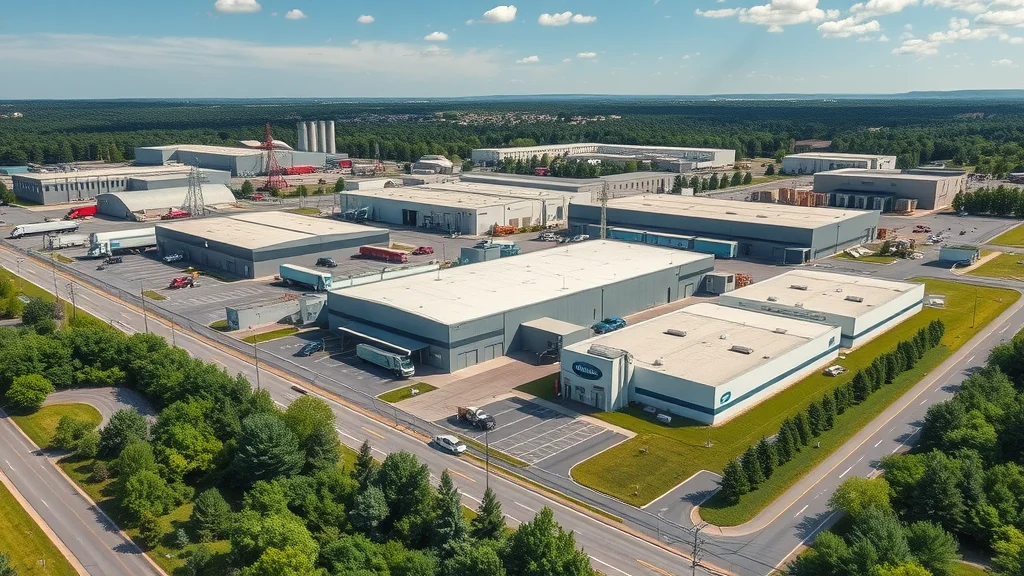
Manufacturing Cities in Alabama: Regional Hubs Shaping North Alabama
Huntsville: North Alabama's Innovation Capital
Huntsville stands out as the premier hub for manufacturing in north Alabama. With the presence of global leaders like Lockheed Martin, Northrop Grumman, and a major Toyota plant located in Huntsville, the city has developed a robust industrial base that extends well beyond aerospace and missile defense. Not only is Huntsville home to the Redstone Arsenal and NASA’s Marshall Space Flight Center, but it also features a wide variety of manufacturing expertise, including advanced materials, electronics, and automotive components. The city of Huntsville benefits from close proximity to research partners at the University of Alabama in Huntsville and an influx of talent fostered through collaborations with local colleges. Anchored by a steady record of economic impact and an ever-growing industrial park, Huntsville’s commitment to innovation continues to attract significant investment in both military and commercial markets.
Local and state officials often highlight Huntsville’s role as a model of how manufacturing can be leveraged for sustained community development. According to recent statements by Governor Kay Ivey and the Alabama Department of Commerce, the region’s workforce, favorable business environment, and access to global supply chains make it a strategic destination for companies searching for manufacturing plant locations. By providing incentives and supporting infrastructure growth, Huntsville continues to outpace many southern competitors as a city setting new standards in the largest industrial sectors.
Decatur and Florence: Traditions Meet Technology
Decatur and Florence are prime examples of manufacturing cities in Alabama where long-standing industries intersect with technological advancement. Decatur, located along the Tennessee River, has built a reputation for its concentration of chemical processing, plastics, and advanced manufacturing. Major employers such as United Launch Alliance and GE Appliances operate some of the most technologically advanced manufacturing facilities in north Alabama. Decatur’s industrial sector also benefits from its central location and accessible highway and rail networks, making it a shipping nexus within the Southeast.
Florence, on the other hand, is known for its diverse product line, ranging from paper and metal fabrication to the growing medical device field. As a partner city with the University of North Alabama, Florence has invested heavily in technical programs that support workforce development, fueling growth in advanced materials manufacturing and providing the community with new employment opportunities. Both cities demonstrate how manufacturing in north Alabama is increasingly defined not just by what is produced, but also by the continuous integration of digital transformation, community partnership, and sustainable innovation.
Gadsden, Athens, and Cullman: Resilient Manufacturing Communities
Gadsden, Athens, and Cullman stand as resilient communities maintaining a steady track record of manufacturing excellence amidst changing market demands. Gadsden, rich in automotive and metal component production, plays a supporting role in Alabama’s automotive sector, while attracting investments in plastic products, food processing, and advanced machinery. Athens, deeply tied to the larger Huntsville metropolitan area, is home to a variety of manufacturing companies, including those specializing in steel, advanced polymers, and electronic components.
Cullman’s manufacturing base is built around automotive parts and polymers, with a number of international companies operating manufacturing plants in the city. Thanks to investments in skilled labor initiatives and an emphasis on technical education, these cities have demonstrated the ability to evolve with the times. Again and again, their successes underscore how north Alabama leverages strong local leadership, regional economic organizations, and a supportive state government to keep manufacturing a driving force in both community stability and economic development.
The Role of Lockheed Martin and Other Major Players in North Alabama Manufacturing
- Lockheed Martin's investments in aerospace and defense
- Legacy manufacturers and emergent tech firms in the supply chain
- Synergy between manufacturers and the Redstone Arsenal area
Lockheed Martin, a leading global defense and technology corporation, has established a major manufacturing facility in Huntsville. This facility is renowned for its development and production of advanced missile defense systems and other aerospace products for military and commercial markets. Alongside Lockheed Martin, companies such as Northrop Grumman, Toyota Motor Manufacturing Alabama, and United Launch Alliance are cornerstones of the north Alabama manufacturing landscape. These firms account for thousands of jobs and inject substantial resources into local economies, further establishing the area as one of the largest industrial centers in the Southeast.
The unique synergy found in regions surrounding the Redstone Arsenal supports a dense supply chain network, attracting suppliers and technology firms who specialize in precision components, electronics, and advanced materials. According to recent remarks by Governor Kay Ivey, north Alabama’s manufacturing base is not only about legacy production but is being actively shaped by public-private partnerships and continuous investment in digital tools, automation, and high-skilled labor. These collaborations have resulted in a sustainable environment where established giants like Lockheed Martin drive innovation forward while also fostering growth opportunities for local and regional businesses.
"North Alabama’s manufacturing sector is not just about legacy industries, but is rapidly evolving thanks to technological investment and public-private partnerships."
Industry Focus: What is Manufactured in North Alabama?
- Aerospace parts and defense systems
- Automotive components
- Advanced materials and polymers
- Food products and agricultural processing
- Medical devices and electronics
Manufacturing in north Alabama spans a remarkably wide variety of industries. Aerospace and defense lead the way, with companies like Lockheed Martin and Northrop Grumman operating significant facilities in Huntsville and surrounding areas. Automotive components represent another crucial sector, exemplified by Toyota Motor Manufacturing Alabama’s engine plant. Beyond vehicles and missiles, the region is a strong producer of advanced polymers, plastics, and electronic systems, contributing to both military and commercial markets across the United States.
Agricultural processing, food products, and medical device manufacturing further enrich the region’s diverse product line. Companies in Decatur, Florence, and Cullman produce everything from packaged foods and beverages to metal fabrications and high-precision medical instruments. The sector’s strength lies in its broad foundation rather than specialization alone, meaning that new investments and innovation in one field often spill over into others, reinforcing the economic impact of manufacturing throughout the state of Alabama and the broader Tennessee Valley.
How Manufacturing in North Alabama Drives Local Economies and Workforce
Job Creation and Economic Impact Across North Alabama
Manufacturing in north Alabama is a primary engine of job creation and local economic development. According to the Alabama Department of Commerce, the region's manufacturing facilities in Huntsville and beyond sustain tens of thousands of jobs, making it one of the state's largest industrial employment sectors. With a proven track record of expansion and stability, manufacturing companies regularly invest in workforce training and operational upgrades, ensuring that high-paying jobs remain accessible to local residents.
Manufacturing's economic impact isn’t limited to direct employment. The sector supports an extensive ecosystem—ranging from logistics, maintenance, and technical services to suppliers of raw materials and equipment. This interconnected network amplifies the sector’s effect on housing markets, retail, education, and infrastructure throughout north Alabama. As new plants and advanced lines come online, the ripple effect not only boosts regional prosperity but also attracts new residents and real estate investment, which are central topics in local economic development discussions.
Training Initiatives: Community Colleges and Skilled Labor Programs
North Alabama’s community colleges and technical schools play a vital role in the region’s manufacturing pipeline. Schools like Calhoun Community College and Wallace State Community College partner with top employers to offer training in advanced manufacturing, precision machining, and robotics. These programs are designed to align directly with the needs of modern manufacturing facilities, ensuring graduates are job-ready for roles at Lockheed Martin, Toyota, and other key industry leaders.
From CNC machining labs to apprenticeships funded through public-private collaboration, these customized programs represent a strategic investment in local talent. By developing a workforce equipped for today’s high-tech, automated environments, north Alabama communities can attract further manufacturing expertise and support new facility launches, keeping the region competitive with other advanced manufacturing hubs across the Southeast and the nation.
Manufacturing Career Pathways in North Alabama
For individuals considering relocation, manufacturing in north Alabama offers numerous career pathways. Entry-level positions in assembly or process control provide steady employment opportunities, while upskilling through technical programs can lead to specialized roles in robotics, machine operations, quality assurance, and engineering. Accessible growth paths and investment in continuing education create an environment where experienced workers can advance into supervision or management roles.
Manufacturing careers in the region frequently intersect with broader trends in technology and supply chain management, making north Alabama an increasingly attractive location for both early-career professionals and experienced workers looking to specialize or move into leadership roles. For families and young professionals, the availability of steady, high-quality manufacturing employment is often a crucial factor in choosing the Tennessee Valley as a place to live and build a future.
Table: Major Employers and Manufacturing Specialties in North Alabama
| Employer | Industry | Facility Location | Number of Employees |
|---|---|---|---|
| Lockheed Martin | Aerospace & Defense | Huntsville | 2,500+ |
| Toyota Motor Manufacturing Alabama | Automotive Engines | Huntsville | 1,800 |
| Northrop Grumman | Defense Systems | Huntsville | 1,200 |
| United Launch Alliance | Rocket & Launch Vehicle Manufacturing | Decatur | 1,000 |
| GE Appliances | Home Appliances | Decatur | 950 |
| International Paper | Paper & Packaging | Florence | 800 |
People Also Ask: What are the manufacturing cities in Alabama?
Answer: Leading Manufacturing Cities in North Alabama
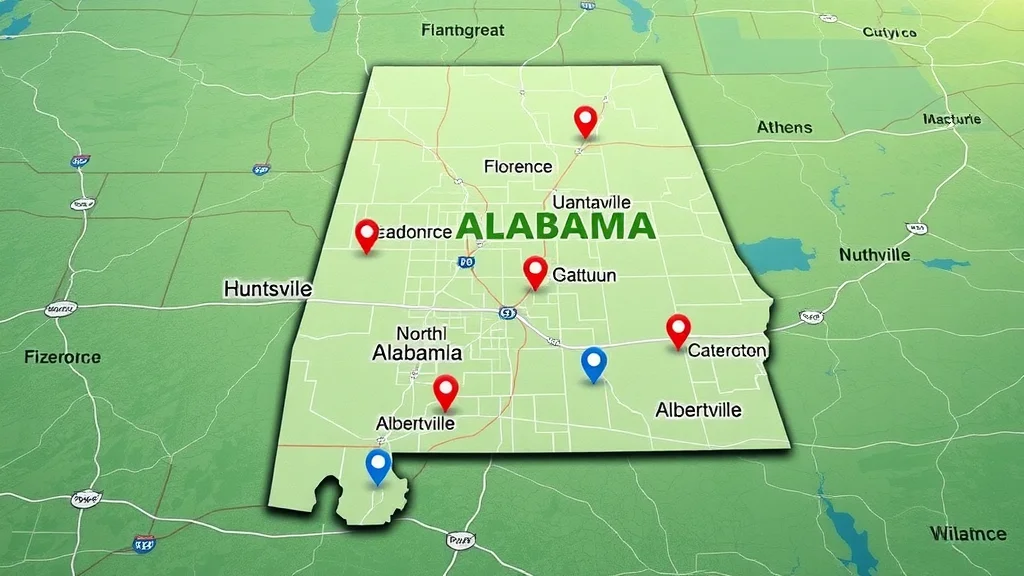
- Huntsville, Decatur, Florence, Gadsden, Cullman, Athens, and Albertville are among the most active manufacturing cities in North Alabama, each hosting a diverse mix of industries and employers.
People Also Ask: What is the main industry in Huntsville, Alabama?
Answer: Key Industries in Huntsville's Economy
- Huntsville's economy is anchored by aerospace (including NASA and the U.S. Army), advanced manufacturing, and research sectors, with significant contribution from high-tech and defense manufacturing.
People Also Ask: What are three major industries in Alabama?
Answer: Alabama’s Top Three Industries
- Manufacturing, agriculture, and automotive sectors are the three major industries shaping Alabama's broader economic landscape.
People Also Ask: What do they manufacture in Alabama?
Answer: Manufactured Products in Alabama
- Alabama manufacturers produce automobiles, aerospace components, food products, chemicals, electronics, and metal fabrications, reflecting a highly diversified industrial base.
FAQs: Manufacturing in North Alabama
-
What role does higher education play in North Alabama manufacturing?
Higher education is essential, providing skilled graduates through technical colleges and university partnerships that meet the evolving needs of north Alabama’s manufacturing companies. Collaboration ensures workforce readiness, research support, and sustained growth across technical and engineering disciplines. -
How is manufacturing in North Alabama evolving post-pandemic?
The sector has leaned heavily into automation, digital transformation, and supply chain adaptation. Analysts note increased investment from both legacy industries and emerging tech firms, helping stabilize employment and facilitating continued expansion despite global uncertainties. -
What environmental initiatives are manufacturers adopting in North Alabama?
Many manufacturing facilities in Huntsville and surrounding cities are adopting energy-efficient technologies, waste reduction practices, and sustainable sourcing. Several companies have set public targets for reducing greenhouse gas emissions and increasing recycling across plant operations. -
How does the digital transformation impact North Alabama manufacturing?
Digital tools, automation, and smart factory systems are increasingly common, boosting productivity and enabling north Alabama companies to compete globally. Robotics, 3D printing, and real-time analytics help manufacturers improve quality, reduce timescales, and meet the demands of complex product lines.
Key Takeaways: Navigating the Manufacturing Landscape in North Alabama
- North Alabama remains a significant, evolving hub for manufacturing innovation.
- A dynamic mix of established corporations and new ventures drives community growth.
- Skilled labor, education partnerships, and infrastructure investments are key to the sector’s continued strength.
Conclusion: The Ongoing Evolution of Manufacturing in North Alabama
- From advanced aerospace systems to next-generation materials, manufacturing in North Alabama continues to underpin economic growth and opportunity across the region.



Write A Comment