Add Row
Add Element
cropper
update
The Tennessee Valley Insider
update
Add Element
  • Home
  • Categories
    • Interviews
    • Events
    • News
    • Market Insights
    • Community Engagemeny
    • Philanthropy
    • Economic Outlook
    • Lifestyle & Community
    • Health & Wellness
    • Technology
    • Real Estate Investment
    • Buying & Selling Guides
    • Financing & Mortgage
    • New Construction & Developments
    • Luxury Properties
January 21.2026
1 Minute Read

What Most Don’t Know About Chattanooga School Districts

Did you know that a home on the border between two Chattanooga school zones can see its value shift by tens of thousands of dollars, depending on a single district line? Chattanooga school districts are quietly shaping not only where families choose to live but also the trajectory of local real estate markets, workforce patterns, and neighborhood growth

Understanding Chattanooga School Districts: The Overlooked Details

At first glance, school zone boundaries in Chattanooga may seem straightforward—drawn along familiar roads or city limits. In reality, the school district map is a complex patchwork created by decades of local history, rapid regional growth, and ongoing demographic shifts. The largest district, Hamilton County Schools, serves both Chattanooga city proper and outlying suburban neighborhoods. Yet distinctions between county schools and city-managed schools add further layers, all while private and charter institutions offer alternatives that nearby districts may lack.

The result is a dynamic structure where school zones can vary significantly from neighborhood to neighborhood, shaping everything from the quality of education provided to which sports teams children join or which languages are offered in the curriculum. For families relocating to Chattanooga, understanding these details is critical—not just for academic reasons but for big-picture factors affecting property values and community character. Local experts and families emphasize this point, noting that even a small move across a zone line can change access to highly ranked schools or specialized programs.

Aerial view of Chattanooga neighborhoods with visible school buildings, tree-lined streets, parks, and families outside—showcasing the impact of Chattanooga school districts.
"Chattanooga school districts not only reflect the city's past, but shape the region’s future—underscoring why local experts and families alike pay close attention."

What You’ll Learn About Chattanooga School Districts

  • How Hamilton County Schools compare to other Tennessee districts
  • Key differences between county schools and city school options
  • Impacts of school zones on home values and neighborhood dynamics
  • How the quality of education provided by Chattanooga school districts is measured
  • Where Chattanooga schools rank on nationally comparable school assessments

Breaking Down Chattanooga School Districts, Zones, and Hamilton County Schools

Chattanooga School District Structure: Hamilton County and Beyond

The backbone of Chattanooga school districts is the extensive network overseen by Hamilton County Schools. Encompassing more than 70 schools, the Hamilton County School system manages both county schools and those within Chattanooga’s city limits. However, a closer look reveals that school governance is a tapestry: charter schools enjoy varying degrees of autonomy, specialized magnet schools cater to unique talents, and private institutions present families with additional choices.

Each type of school aligns under distinct regulatory or funding umbrellas. The county department of education administers the largest public campuses and distributes resources according to tax bases and population. Some independent city schools and charters cater to more targeted demographics, offering programs and curricula that set them apart from the standard district model. This diversity means there is no single “template” for the quality of education provided; instead, performance metrics and school characteristics vary greatly from neighborhood to neighborhood.
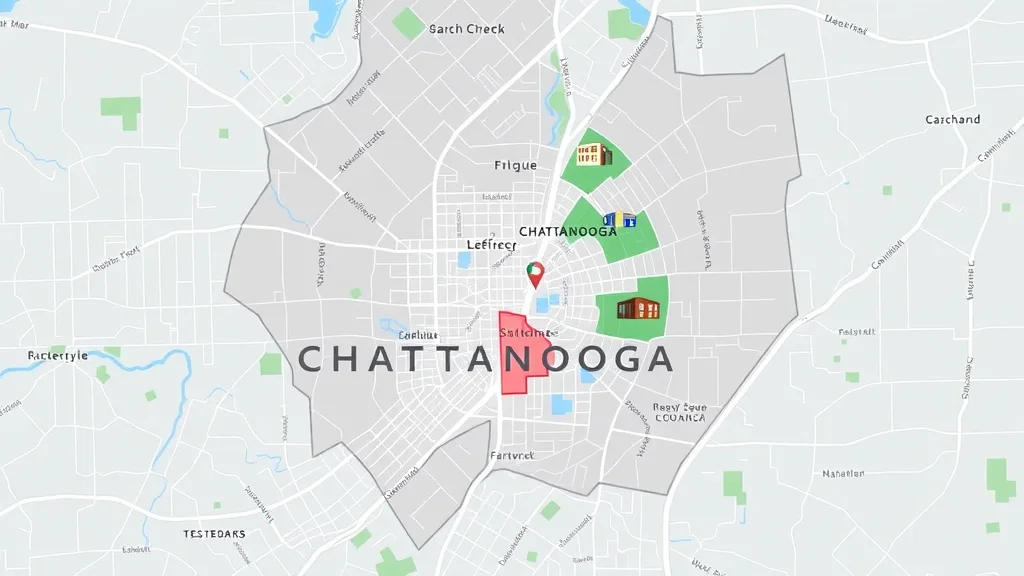
Infographic map highlighting Chattanooga school zones and district boundaries in Hamilton County with school icons and landmarks.

School Zones: Vary Significantly from Neighborhood to Neighborhood

One of the most important, yet often underestimated, features of Chattanooga school districts is the way school zones are delineated within both city and county boundaries. These zones control which students attend which schools, affecting everything from daily commutes to after-school program participation. Unlike some regions with more uniform boundaries, Chattanooga’s school zone lines often cut through neighborhoods, meaning two families who live just blocks apart could be assigned to very different county school options.

These distinctions drive significant differences—even between neighboring streets—in the quality of education provided, school resources, diversity of extracurriculars, and school culture. District websites and real estate databases frequently offer interactive school zone maps to help new residents determine which schools serve a given address. With school zones varying significantly from neighborhood to neighborhood, choosing a home often starts with a close look at school assignment lines.

County Schools vs. City School: What’s the Difference?

The difference between a county school and a city school in Chattanooga is rooted in governance and funding. Hamilton County Schools are managed by the elected school board and funded primarily by county resources, while true “city schools” operate under the direction of the city’s own education department and budgeting process. Charter schools, a hybrid model, operate under special state or local charters and may accept students from anywhere within the county or city. These distinctions influence everything from the type of curriculum offered to the availability of advanced courses and extracurricular options.

For example, while the Hamilton County School system ensures broad access and continuity for students in grades K-12, many city schools have carved out niches—whether in the arts, STEM, or innovative instructional models. Meanwhile, private options offer yet another path, often drawing families seeking smaller class sizes or specialized curricula. The presence of high-performing, nationally recognized institutions within both public and private systems means that the “best” choice may differ based on student needs, family preferences, and—critically—home address within a particular school zone.

Comparison of Chattanooga School Districts and Options
District/Option Number of Schools Avg. Student-Teacher Ratio Nationally Comparable School Performance *
Hamilton County Schools 70+ 16:1 Above state average in select STEM and Arts programs
Chattanooga City Schools Varies (approx. 6–8, including specialty campuses) 15:1 Strong in language immersion and magnet options
Private & Charter Schools 15+ 12:1 Frequently top percentiles on nationally comparable school assessments
*Based on recent nationally comparable assessments reported by the Tennessee Department of Education and independent school review outlets.

How Chattanooga School Districts Impact Real Estate, Business, and Community Growth

Quality of Education Provided: Economic and Social Impact

The quality of education provided by Chattanooga’s public and private schools is a central factor in shaping local property values and regional economic growth. Neighborhoods zoned for high-performing county schools or specialty city school magnet programs regularly see higher real estate demand and, in turn, elevated housing prices. Realtors and business leaders note that school district websites and performance reports are among the most heavily referenced resources by out-of-state job candidates and relocating families.

A strong school district does more than just appeal to families—it also attracts employers seeking a well-educated workforce and draws entrepreneurs who want to invest in growing communities. As a result, the strategic role of Hamilton County Schools extends beyond the classroom, touching on regional infrastructure development, workforce enhancement, and community planning.

Schools Vary Greatly: Insights into High School and Elementary Options

Not all schools serving Chattanooga offer the same opportunities. High schools range from those with robust Advanced Placement and International Baccalaureate programs to vocational and technical schools focused on career readiness. Similarly, elementary schools may specialize in language immersion, environmental science, or the arts, with offerings varying significantly from neighborhood to neighborhood. For families, comparing these programs across district website resources is critical.

These distinctions matter not only for students but also for prospective homebuyers and business owners. A week ago, new rankings based on nationally comparable standardized test data highlighted select Chattanooga high schools in the state’s top percentile, reaffirming the link between school quality and community growth.

Modern school building in Chattanooga with vibrant students, highlighting Hamilton County school district and quality education provided.

Investment and Relocation: What Parents and Investors Should Know

For those buying a home, launching a business, or investing in rental properties, the Chattanooga school districts’ influence on neighborhood desirability cannot be overstated. School zones are directly linked to home price appreciation, tenant demand, and long-term market resilience. County school performance trends frequently drive newer developments or guide buyers’ final location choices—while employers factor school zone reputation into recruiting strategies for skilled workers.

The role of county schools in both real estate and the region’s broader economic development is well documented, with connection between school performance and regional workforce trends serving as a feedback loop that influences everything from new home permits to commercial investments. For strategic relocation—personal or corporate—engaging with Hamilton County Schools and local district websites can offer actionable insights on future community growth and household prosperity.

  • Chattanooga school districts’ influence on neighborhood desirability
  • Connection between school performance and regional workforce trends
  • Role of county schools in attracting new home buyers and business investment

Family with realtor touring Chattanooga home, reviewing school zone map and materials—showcasing impact of school districts on real estate decisions.

People Also Ask About Chattanooga School Districts

What are the districts of Chattanooga?

Chattanooga’s school districts include Hamilton County Schools, city school jurisdictions, and various private and charter options situated throughout the city and county. Boundaries are determined by both municipal and county school zone lines.

How many school districts are in Hamilton County?

Hamilton County is served primarily by Hamilton County Schools, which encompasses over 70 public schools serving Chattanooga and several nearby communities. There are also independent charter and private districts within the broader county geography.

What is the best school in Chattanooga?

Diverse Chattanooga students collaborating with teacher, illustrating the diversity and excellence of Chattanooga

The best school in Chattanooga varies year to year, but schools like Chattanooga School for the Arts & Sciences and Chattanooga High School Center for Creative Arts consistently perform strongly on nationally comparable assessments and parent reviews.

How many schools are in Chattanooga, TN?

Chattanooga, TN, boasts more than 75 public, charter, and private schools across its city limits, with Hamilton County Schools operating the majority of local campuses.

Key Takeaways About Chattanooga School Districts

  • Chattanooga school districts vary significantly by neighborhood, reflecting broader economic and social patterns
  • Hamilton County Schools play a central role in local real estate and workforce development
  • School zones often determine both housing values and educational opportunities
  • Quality of education provided across districts is a focus for families and local policymakers

Chattanooga business professionals and officials discussing school district maps and economic growth, reflecting on Hamilton County school districts.

Frequently Asked Questions About Chattanooga School Districts

  • What school zone am I in if I relocate to Chattanooga?
    School assignment depends on your home address. Interactive maps on the district website or consultation with your real estate agent can help determine your specific school zone.
  • How do Hamilton County Schools compare to neighboring districts in Tennessee?
    Hamilton County Schools generally score above state averages in several subjects, with nationally comparable school rankings highlighting select campuses for excellence in academics and arts.
  • Are there magnet or specialty schools within the Chattanooga school districts?
    Yes, Chattanooga features multiple magnet and specialty schools in both public and charter domains, catering to gifted, STEM-focused, or arts-oriented students.
  • Does school district affect property taxes in the area?
    Yes, property tax rates may be influenced by school funding requirements. High-demand school zones sometimes correlate with higher local tax rates, reflecting community investment in education.

Where to Learn More and Connect With Chattanooga School District Experts

"For families, businesses, and investors, understanding Chattanooga school districts provides a strategic lens into the city’s growth and opportunity landscape."

For current school zone maps, district data, and expert relocation counsel, connect with local real estate professionals and visit the hcs district website. Engaging with community associations or local education advocates can further clarify the options and upcoming trends.

Explore Chattanooga School Districts and Download Our Comprehensive Relocation Guide

For deeper insights on neighborhood zones, school comparison data, and actionable tips for relocating to Chattanooga, download our detailed Chattanooga Relocation Guide—designed to help you make informed decisions for your family, your business, and your future in the Tennessee Valley.

Download the Guide

Conclusion

Chattanooga’s school districts are much more than administrative boundaries—they are the foundation shaping the Tennessee Valley's growth, housing trends, and community life. Armed with the right knowledge, families and investors alike can navigate their opportunities with confidence.


Lifestyle & Community

0 Comments

Write A Comment

*
*
Related Posts All Posts
01.25.2026

Discover Why Quality of Life in the Tennessee Valley Soars

What’s behind this rising appeal? From diverse economic development to recreational vibrancy, the Tennessee Valley stands as a model for quality of life, opportunity, and connected community living A Look at Quality of Life in the Tennessee Valley Today The quality of life in the Tennessee Valley is attracting national attention for its blend of affordability, modern amenities, and cultural vibrancy. For those considering living in Tennessee, cities like Huntsville, Chattanooga, Florence, and Cleveland offer a less hectic pace than many metropolitan areas while delivering robust job markets, top health care, and a strong sense of community. Residents enjoy scenic landscapes, outstanding schools, a growing technology sector, and a cost of living that consistently beats the national average. Whether you’re considering moving to Tennessee for work, retirement, or family life, the Tennessee Valley provides a foundation for personal and professional growth, underpinned by respected institutions, innovative employers, and a wealth of outdoor activities. According to regional analyses and recent U.S. Census Bureau findings, the Tennessee Valley is not only adding population—it’s adding resilient, diverse opportunity. Families appreciate the region’s emphasis on education and public health, while young professionals and entrepreneurs find a fertile environment for innovation. The cost of living remains low compared to other Southern and national markets, and communities are tightly knit, fostering a true sense of belonging. Startling Data: Socioeconomic Trends Driving Change in the Tennessee Valley “According to the U.S. Census Bureau, the Tennessee Valley’s median household growth rate outpaces the national average, underlining the region’s appeal for families and professionals alike.” This growth is closely tied to both economic expansion and the appeal of the Tennessee Valley’s natural beauty and lifestyle. As new residents arrive seeking lower housing costs and better job prospects, the region is seeing investments in infrastructure and education, promising ongoing improvement in its already high quality of life. The transformation is visible in employment, housing values, and a cultural resurgence that brings together tradition and modernity. As a result, topics like the cost of living, access to health care, and the overall well-being of families in the Tennessee Valley have become central to regional conversations—making it all the more vital to understand what quality of life really means here in 2024. What You’ll Learn About Quality of Life in the Tennessee Valley Detailed criteria defining quality of life in the Tennessee Valley An overview of economic growth, job market trends, and cost of living comparisons The significance of education, healthcare, and public infrastructure The role of natural beauty and outdoor activities in shaping lifestyle Insights on regional communities and real estate opportunities The Geography and Heartbeat of the Tennessee Valley The Tennessee Valley winds through some of the region’s most iconic landscapes, embracing both bustling cities and picturesque small towns. Centered around the winding Tennessee River, the valley extends across much of northern Alabama and eastern Tennessee, with cultural ties to Kentucky and North Georgia. The valley is home to diverse towns and cities, each contributing its unique history and flavor. From the high peaks of the Great Smoky Mountains in east Tennessee to the broad river plains near Huntsville, the Tennessee Valley offers both natural grandeur and economic opportunity. Its location positions residents close to major highways, business corridors, and stunning national parks, helping anchor its reputation as both an economic hub and an outdoor enthusiast’s haven. Understanding the Tennessee Valley: Location, History, and Regional Significance The Tennessee Valley has long served as a crossroads for culture, commerce, and innovation. Historically, the Tennessee River has powered industry, agriculture, and hydroelectric projects, establishing the region as vital to the broader Southeast. The valley’s identity is shaped by its ties to both the Appalachian foothills and the burgeoning cities along its riverbanks. From early settlements to the modern-day influence of industries like aerospace and manufacturing, the Tennessee Valley’s evolution mirrors its role as a bridge between tradition and progress in the South. Today, cities such as Chattanooga, Huntsville, and Florence are recognized for business leadership and start-up innovation, drawing new talent and investment. The heritage of small towns is equally important, with communities like Cleveland championing the valley’s sense of belonging and slower pace of life. All of these elements contribute to the region’s unique appeal, blending historical depth with the dynamism sought by those moving to Tennessee or seeking a new chapter in life. Natural Beauty and Outdoor Activities in the Tennessee Valley The valley’s natural beauty is a central factor driving quality of life. Residents and visitors are drawn by rolling hills, verdant forests, and the shimmering stretches of the Tennessee River. The landscape supports a vibrant array of outdoor activities—from hiking in the Great Smoky Mountains, paddling the river’s many tributaries, to cycling along scenic byways. Mountains, rivers, and lakes: an overview Top parks and recreational destinations Outdoor activities for families and adventurers Whether you’re exploring the lush trails near the Smoky Mountain and national park borders, fishing in pristine lakes, or enjoying festivals at riverfront parks, outdoor enthusiasts will find no shortage of options. Families, retirees, and younger residents alike see these amenities as key to the region’s overwhelming appeal—blending recreation with health, community, and a striking connection to the landscape. Economic Development and Job Market in the Tennessee Valley Economic vitality is at the core of the Tennessee Valley’s reputation for quality of life. The region’s job market is marked by industry diversity, consistent growth, and a forward-thinking approach to workforce development. Key sectors—such as advanced manufacturing, aerospace, healthcare, and technology—drive robust employment numbers, making the Tennessee Valley a draw for professionals from across the country. Cities like Huntsville are consistently recognized among the fastest-growing metro areas for job seekers, and regional companies are investing in workforce pipelines that support the valleys’ economic trajectory. Key Industries Supporting Quality of Life in the Tennessee Valley Innovation is more than a buzzword in the Tennessee Valley; it’s a lived reality. Major employers include defense and technology firms in Huntsville, automotive manufacturing in Chattanooga, and burgeoning health care networks across the entire corridor. Infrastructure investments have attracted top employers to the region, providing skilled workforces and high-quality jobs. Economic growth has further fueled opportunities in health care, education, and the creative arts, solidifying the valley’s reputation for balanced development. In addition to the large firms, the Tennessee Valley is home to thriving small businesses and entrepreneurial ventures. Local investment in incubators and educational partnerships ensures the region remains competitive while fostering community connections—one of the many reasons cited by those choosing living in Tennessee for career advancement or entrepreneurship. Job Market Trends: Workforce Growth and Opportunities Fastest-growing sectors across east Tennessee, Huntsville, and the broader region Top employers in Birmingham, Chattanooga, and surrounding cities “The technology, aerospace, and manufacturing sectors are driving employment opportunities in the Tennessee Valley and attracting a diversifying workforce.” From tech startups in Chattanooga to aerospace expansion in Huntsville, the job market is dynamic and reflects the valley’s adaptability. Health care, higher education (notably the University of Tennessee), and logistics continue to expand, offering roles for both recent graduates and seasoned professionals. East Tennessee’s proximity to Georgia and North Carolina opens additional employment possibilities for commuters and telecommuters alike, while the region’s growing student populations contribute to a youthful, innovative labor force. For families and individuals deciding on moving to Tennessee, strong workforce prospects provide stability and upward mobility. How Economic Growth is Impacting Quality of Life in the Tennessee Valley Economic growth affects more than just paychecks; it defines everyday experience in the Tennessee Valley. Rising employment opportunities have increased demand for housing, enriched cultural offerings, and prompted new service investments. As the valley evolves, cities are prioritizing smart infrastructure projects—from high-speed internet deployment in rural areas to revitalized waterfronts and public parks—making every community more connected and resilient. This infusion of skilled professionals has created a virtuous cycle: fuel for the local economy, innovative schools and health care systems, and a greater variety of cultural and culinary opportunities. The shift is tangible in revitalized downtowns, expanded recreational trails, and a thriving arts scene that sets the Tennessee Valley apart from regions with similar cost-of-living indexes. Quality of life here means economic confidence and the ability to pursue varied interests without sacrificing security or affordability. Cost of Living and Affordability in the Tennessee Valley Affordability drives much of the interest in moving to Tennessee and the broader valley, particularly for those relocating from higher-cost states or from large metropolitan areas. The region is celebrated for its reasonable cost of living, with median home prices and everyday expenses under the national average—making homeownership and comfortable living attainable for many. Comparing Quality of Life in the Tennessee Valley: Cost of Living Breakdown City Median Home Price Cost of Living Index Average Commute Utility Costs Chattanooga $315,000 94 21 min $140/mo Huntsville $285,000 90 22 min $135/mo Florence $210,000 88 19 min $125/mo These figures reflect why living in Tennessee and its neighboring cities remains so attractive. Home prices allow first-time buyers, families, and retirees to plant roots without extreme financial pressure. Cost of living indexes show groceries, transportation, and healthcare are often more affordable than in peer metropolitan areas, with shorter commutes and lower utility bills adding to residents’ financial health. Affordable Living in East Tennessee and Regional Cities East Tennessee and communities along the Tennessee River teem with small towns offering a slower pace, friendly neighbors, and easy access to nature. Residents in cities like Cleveland, Gadsden, and Athens enjoy the same regional benefits of affordability without sacrificing educational opportunities or community amenities. The area’s cost advantages extend to groceries, recreational memberships, and even healthcare premiums. For many, the Tennessee Valley epitomizes an environment where hard work is rewarded with real economic mobility and access to quality resources. This affordability has fueled a recent influx of families, professionals, and retirees, all seeking lasting stability. As a result, local officials and community leaders are tasked with maintaining this balance of growth and cost sustainability as the region modernizes. The core promise of the Tennessee Valley is not only the beauty of the land but the realistic chance for residents to thrive—financially, socially, and personally. Education, Health Care, and Infrastructure: Cornerstones of Quality of Life in the Tennessee Valley The Tennessee Valley’s reputation for quality of life rests on more than scenic vistas or job growth; it is shaped by strong public and private education systems, accessible health care, and robust infrastructure. Education—from K-12 schools in Chattanooga to top-tier universities like the University of Tennessee—anchors the region’s long-term potential. Combined with modern hospitals, ongoing infrastructure investment, and expanding public transportation, these assets ensure both stability and resilience for all residents. Education Systems in the Tennessee Valley: Local Insights Education remains a top priority for both local governments and community groups. School systems in cities like Murfreesboro and Birmingham consistently earn marks for high achievement and innovative programming, while magnet and charter schools offer additional options for specialized learning. Higher education is also notable: the University of Tennessee system, along with technical colleges in the valley, produces a steady pipeline of skilled graduates ready for the region’s growing industries. Partnerships between schools and area employers further reinforce this success, making the Tennessee Valley especially appealing for families and young professionals. Efforts are underway to expand opportunities for STEM learning, apprenticeships, and college prep, ensuring that the region’s next generation remains competitive and prepared for the evolving job market. High school graduation rates and college attendance metrics consistently outpace statewide averages, cementing the Tennessee Valley’s educational advantage within the broader Southeast. Access to Health Care and Well-Being in the Tennessee Valley Major hospitals and medical centers in the region Health outcomes compared to state and national averages Residents benefit from an array of medical providers, including nationally ranked hospitals in Chattanooga, research-focused medical centers in Birmingham, and specialized clinics in smaller communities. These facilities offer advanced care options, efficient emergency departments, and specialty treatments. Health outcomes across the valley are improving year over year, attributed to both health education campaigns and access to preventative services. Compared to the state and national averages, the Tennessee Valley boasts shorter wait times, comprehensive insurance coverage options, and forward-thinking infrastructure upgrades like new clinics in previously underserved areas. This results in lower overall health care costs for families and greater confidence in long-term well-being. Mental health and wellness resources have also expanded, reflecting the evolving needs of the region’s diverse population. Transportation and Public Services: Building a Connected Region Infrastructure investment is visible everywhere, from revitalized highways to public transit expansions and airport improvements. Regional transit authorities work closely with city leaders to prioritize accessible commutes and reduce congestion, contributing to shorter average drive times compared to many similarly sized metropolitan areas. Public services, including libraries, fire protection, broadband expansion, and Utilities Boards, further support the daily needs of residents. Ongoing projects in rural access, downtown revitalization, and green energy align with the Tennessee Valley’s commitment to sustainability and innovation—reinforcing why quality of life continues to climb. Community Life, Culture, and Regional Identity in the Tennessee Valley The heart of the Tennessee Valley lies in its sense of community and vibrant regional culture. From multicultural festivals and live music in East Tennessee to courthouse concerts in Florence and open-air markets in Gadsden, the valley offers a dynamic, welcoming environment for newcomers and longtime residents alike. The slow pace of small towns is matched by the innovative spirit of bustling cities, together forging a cohesive identity that values both tradition and progress. Diverse Communities: From Huntsville to East Tennessee Large and small towns alike thrive on diversity. In Chattanooga and Huntsville, significant growth has created increasingly multicultural populations, while the sense of pride in smaller communities like Athens or Cleveland remains as strong as ever. This variety is celebrated through festivals, public art, and local projects supporting everything from youth sports leagues to start-up incubators. The result: neighborhoods where new families are quickly welcomed, social networks are deep, and tradition—be it country music, college football, or southern cuisine—remains central. For many, the Tennessee Valley truly feels like home, offering both the warmth of Southern hospitality and the excitement of regional innovation. Arts, Events, and Cultural Highlights Major festivals, music venues, and museums Local initiatives supporting regional culture The Tennessee Valley is renowned for its live music, museums, and community-driven festivals. From downtown Chattanooga’s Riverbend Festival and Huntsville’s arts walks, to local bluegrass jams and food fairs in Florence or Decatur, there’s a constant hum of cultural activity. The valley’s musical roots—spanning country music, bluegrass, and modern indie—draw international attention while sustaining local pride and creative talent. Community organizations and arts foundations work to preserve Appalachian traditions, recognize the valley’s history, and nurture the next generation of creators. The result is a robust cultural infrastructure that supports both economic vitality and personal enrichment for all residents. Real Estate, Housing, and Moving to the Tennessee Valley For those considering moving to Tennessee or investing in its future, the real estate market is a driving force behind the region’s appeal. The valley’s housing options range from affordable starter homes in cozy small towns to luxury condos and historic properties in revitalized downtowns. Ongoing demand has kept property values strong, even as median prices remain accessible for first-time buyers—this mix draws young professionals, families, retirees, and investors who see long-term potential in the area’s growth trajectory. Living in Tennessee: Real Estate Market Overview Recent years have seen brisk competition in key cities, with sellers benefiting from high demand and buyers still able to find affordable options not yet priced out by nationwide trends. Chattanooga, for example, is prized for walkable neighborhoods, vibrant arts scenes, and on-trend new construction. Huntsville and Birmingham offer a similar mix of single-family homes, apartments, and townhouses. Smaller communities throughout East Tennessee and northern Alabama also boast accessible price points, attracting remote workers, young couples, and multi-generational families seeking a cohesive blend of city amenities and rural tranquility. Historic homes in Florence or renovated mill lofts in Decatur are testimony to the diversity of real estate stock, ensuring a broad spectrum of options for varied buyer preferences in the region. Moving to Tennessee: What Homeowners and Renters Need to Know For many newcomers, the process of relocating to the valley is made easier by established support networks and active real estate professionals. Most regional cities are well-served by moving resources, prospective buyer seminars, and first-time homebuyer incentives. Long-term rental markets are equally robust, backed by a growing population of professionals, university students, and remote workers. Importantly, communities place a premium on integration—through school outreach, employment assistance programs, and neighborhood associations—quickly turning new arrivals into longtime residents. For families weighing the decision, proximity to strong schools, short commute times, and ready access to health care often seal the deal, underscoring just how aligned the housing market is with broader regional strengths. Both buyers and renters benefit from transparent pricing, manageable property taxes, and a deep sense of local pride, making the Tennessee Valley stand out among Southern housing markets. Investment Trends and Neighborhood Spotlights Investors are drawn to the valley’s resilience, notably in markets like Chattanooga, where revitalized downtowns and waterfront developments offer opportunities for both short-term gains and long-term value. Neighborhood spotlights are increasingly focused on mixed-use spaces that combine retail, residential living, and community green spaces. New development near university campuses and technology hubs has also surged, often accompanied by infrastructure improvements designed to attract both residents and investment capital. The valley’s unique blend of affordability, consistent demand, and cultural cachet ensures its value for buyers, renters, and long-term investors. For those considering moving to Tennessee or expanding their portfolio, the region represents a winning combination of stability and potential for future growth. People Also Ask: Quality of Life in the Tennessee Valley Where is the most desirable place to live in Tennessee? Experts rank cities like Chattanooga, Knoxville, and Huntsville as top choices in the Tennessee Valley for their blend of affordability, amenities, and quality growth. What is the Tennessee Valley known for? The Tennessee Valley is renowned for its scenic waterways, the Tennessee River, innovative economic development, and its ongoing commitment to cultural and recreational advancement. Where is the best place to live in Tennessee for nature lovers? Nature lovers often choose towns along the Tennessee River and near the Appalachian foothills, such as Cleveland or Florence, due to their direct access to parks, trails, and outdoor activities. Is the Tennessee Valley part of Appalachia? Yes, parts of the Tennessee Valley, particularly to the east, are considered within Appalachia, sharing rich cultural ties, landscapes, and historical influences. Key Takeaways: Why Does Quality of Life in the Tennessee Valley Stand Out? High job growth and regional economic momentum Affordable housing and living costs in vibrant cities Diverse outdoor activities and natural beauty Strong health care and education systems A cohesive blend of tradition, innovation, and community pride Frequently Asked Questions: Quality of Life in the Tennessee Valley How is the weather in the Tennessee Valley year-round? The Tennessee Valley experiences four distinct seasons: mild winters, vibrant springs, warm (but sometimes hot and humid) summers, and colorful autumns. This climate encourages year-round outdoor activities and contributes to the lush natural landscapes that define the region. Are there good schools and universities in the region? Yes, the area is home to highly rated public K-12 systems, award-winning charter schools, and respected higher education institutions—including the University of Tennessee and several community colleges. Many schools collaborate closely with local industries, enhancing both academic and vocational outcomes. What are the main industries supporting jobs in the valley? Technology, aerospace, advanced manufacturing, health care, and higher education are leading sectors. These industries offer steady employment opportunities, attract new residents, and underpin the valley’s strong job market. How does public transportation work in Tennessee Valley cities? Larger cities like Chattanooga and Huntsville provide expanded bus systems, rideshare access, and in some areas, bikeshare programs. While many residents rely on personal vehicles, ongoing efforts to enhance public transport, walkability, and rural connectivity are underway. Is the Tennessee Valley a good option for retirees? Absolutely. Affordable living, attractive tax benefits, mild weather, and abundant recreational and cultural activities make the Tennessee Valley a popular choice for retirees from both within and outside the region. In Summary: What Drives the Quality of Life in the Tennessee Valley? It’s the blend of vibrant job markets, affordable living, educational opportunity, and a strong sense of place rooted in natural beauty and community traditions that makes the Tennessee Valley an increasingly exceptional place to call home.

01.22.2026

Chamber of commerce Tennessee Valley: Boost Your Business Fast

Did you know? Tennessee Valley’s business community has grown at twice the national rate over the last decade, signaling unrivaled regional momentum The Power of the Chamber of Commerce Tennessee Valley: Setting the Regional Stage The chamber of commerce tennessee valley serves as the regional voice for business, uniting local businesses, entrepreneurs, and leaders committed to driving progress throughout the Tennessee Valley. Through collaborative efforts, regular work meetings, and strategic initiatives, this chamber connects local chambers, industries, policymakers, and community stakeholders under a shared goal: fostering economic vitality in a competitive market. When new investors analyze relocation or expansion potential, they look first to the tennessee chamber as a signpost for regional business health. Recent infrastructure investments, public policy shifts, and a surge in community developments highlight the chamber’s impact. By actively advocating for transportation upgrades, supporting workforce development programs, and fostering ties across city and county lines, the chamber amplifies business opportunity. The economic climate here is directly influenced by this network’s ability to connect talent pipelines—from youth workforce programs to professional development series—while maintaining a focus on business and community advancements that keep the region thriving. For those aiming to discuss business and community prospects, the Chamber’s regular meetings, policy updates, and events become critical junctures for future planning. What You'll Learn About the Chamber of Commerce Tennessee Valley How the chamber of commerce tennessee valley supports local businesses and economic growth Key advantages of Tennessee chamber affiliation for entrepreneurs and investors Regional priorities: workforce development, infrastructure, and real estate How to leverage chamber of commerce resources for community development Frequently asked questions about joining and maximizing membership Tennessee Chamber: Regional Influence and Community Development How the Chamber of Commerce Tennessee Valley Drives Community Development The Chamber of Commerce Tennessee Valley is more than a networking forum—it’s a powerhouse for community development and progress. The chamber organizes networking events that foster bonds within the business community, offering attendees a platform to compare strategies, share insights, and establish new ventures. These gatherings, often publicized as featured events, act as a linchpin for both new and established companies looking to expand their reach and maximize impact. Crucially, the chamber serves as a leading voice for local businesses and entrepreneurs by advocating for public policy initiatives designed to reduce barriers and promote sustainable growth. By collaborating with city governments, service organizations, and education providers, the chamber not only fosters economic projects but also supports lasting workforce pipelines. Many initiatives target family service worker programs and youth villages engagement, weaving together social support and economic development. Regular meetings where leaders discuss business and community priorities guarantee that programs stay relevant, adaptable, and inclusive of the region’s diverse needs. Networking events that unite the business community Advocating for policy initiatives that benefit local businesses Fostering collaboration across city and county lines Investment in education and workforce training "Our mission is to cultivate a resilient, innovative business community that drives prosperity across the Tennessee Valley." Driving Growth: Chamber of Commerce Tennessee Valley Programs and Initiatives Initiative Focus Area Recent Outcomes Business Incubator Entrepreneurship 25 startups launched in 2023 Workforce Development Grants Talent/Skills Training 1,500+ local workers upskilled Infrastructure Advocacy Transportation/Housing $30M in public-private partnerships Leadership Series Community Leadership 12 annual workshops region-wide As outlined in the table above, the chamber’s focus on business and community developments directly feeds into the region’s strong economic performance. Programs like the Business Incubator and Workforce Development Grants have been pivotal for fostering entrepreneurship and upskilling residents—aiding both emerging startups and established service workers. Infrastructure advocacy, meanwhile, brings together public and private funds to update transportation, housing, and commercial centers, essential for sustained regional momentum. The Chamber of Commerce Tennessee Valley and the Regional Business Community Success Stories from Tennessee Chamber Members Members of the chamber of commerce tennessee valley regularly share growth stories that demonstrate the value of this tight-knit business community. For example, small manufacturers have tapped into chamber programs and connections to expand their distribution nationwide. Family-owned restaurants, many supported by family service worker and local chamber partnerships, have revitalized once-quiet downtowns, attracting both tourists and locals. Tech startups often secure vital early-stage investment and mentorship, contributing to the region’s status as a new innovation hub. Real estate companies, leveraging chamber-backed advocacy and events, help attract new residents and promote responsible, inclusive growth. Small manufacturers expanding nationwide Family-owned restaurants revitalizing downtown areas Tech startups securing capital and mentorship Real estate firms attracting new residents "Being part of the Chamber of Commerce Tennessee Valley opened doors for us—from early stage funding to new client contracts." — A Local Owner How Local Businesses Benefit from the Chamber of Commerce Tennessee Valley Practical Resources for Business Community Advancement Local businesses—whether established entities or fresh startups—rely on the practical resources provided by the chamber. Access to market insights, data-driven reports, and economic forecasts empowers members to make informed decisions about expansion and hiring. The chamber also offers cost-effective advertising packages and digital promotion, granting brands greater visibility within the Tennessee Valley market and beyond. For many, the value of joining the chamber lies in its ability to bridge connections—not only with potential clients but also with experienced mentors, policy advocates, and fellow entrepreneurs keen to share lessons and opportunities. Market insights and data-driven reports Affordable advertising and digital promotion Professional development courses Legislative and regulatory updates Additionally, the chamber holds regular professional development workshops tailored to the needs of service workers, youth villages program graduates, and career changers. These programs enhance employability, foster upskilling among the local workforce, and help participants stay ahead in increasingly dynamic industries. Staying updated on legislative changes and regulations is crucial; the chamber’s direct line to public policy news and member login portals ensures business owners always have up-to-date information readily available. Watch: Professional edit showing real-life businesses in Tennessee Valley, owner interviews, collaboration at networking events, and local development projects with dynamic footage transitions and upbeat regional music. Strengthening Economic Growth Across the Tennessee Valley Business Community Networks: Collaboration in Action True regional growth is powered by a robust network of partnerships—this is where the chamber plays its greatest role. The evolving real estate landscape, for example, directly affects member businesses by increasing opportunities in construction, housing, and services. Chamber-run workforce pipelines connect job-seekers graduating from youth villages programs with employment at regional employers, supporting both social mobility and local business needs. When members engage in work meetings or featured events, they can leverage these partnerships to achieve business goals while contributing to the resilience of the regional economy. What regional real estate and infrastructure trends mean for members Workforce pipelines from local chambers to regional employers Leveraging partnerships for sustained economic growth By acting as the region’s leading voice for business, the chamber of commerce facilitates meaningful connections between public policy leaders, intervention specialists, educational organizations, and business owners. Each collaboration is designed not just to unlock one-off opportunities but to create enduring frameworks for prosperity and long-term community development. See how the chamber collaborates on major infrastructure and community development projects—captured in dynamic video footage across the Tennessee Valley. People Also Ask: Chamber of Commerce Tennessee Valley What is the role of the Chamber of Commerce Tennessee Valley in attracting new businesses? Answer The chamber of commerce tennessee valley plays a pivotal role in showcasing the region’s competitive advantages to potential investors and businesses. By organizing events, providing regional data, and acting as the leading voice for business, the chamber helps guide relocation and expansion decisions. They offer a direct link between growing companies and the local chamber network, supporting business and community developments from the ground up. How does the Tennessee Chamber support local employment and workforce development? Answer The Tennessee Chamber serves as the leading connector between workforce needs and regional employers. Through programs such as workforce development grants and community partnerships—including youth villages and family service worker training—the chamber ensures a steady pipeline of skilled professionals. These initiatives routinely address both current and future business requirements by focusing on upskilling workers and linking them to high-growth local businesses. Why is community development a priority for the Chamber of Commerce Tennessee Valley? Answer Prioritizing community development allows the chamber to ensure sustainable, inclusive growth throughout the Tennessee Valley. By investing in infrastructure, supporting family intervention specialists, and partnering with public policy advocates, the chamber strengthens neighborhoods and creates environments where business can thrive. This holistic approach enables both individual entrepreneurs and larger corporations to contribute to and benefit from a prosperous region. Frequently Asked Questions About the Chamber of Commerce Tennessee Valley How do I join the Chamber of Commerce Tennessee Valley? What are membership costs and benefits? Are there networking events open to non-members? Can the chamber help with business relocation? Key Takeaways: Why the Chamber of Commerce Tennessee Valley Matters The chamber is a catalyst for economic and community development Access to networking, resources, and advocacy supports business success Joining connects you to a region-wide business community that drives lasting growth Explore Chamber of Commerce Tennessee Valley Membership Opportunities Unlock the potential of your business and community. Learn more about how Chamber of Commerce Tennessee Valley membership can help you thrive—connect with a local chamber representative today and discover the next step for your growth.

01.22.2026

Discover Retirement Communities Tennessee Valley Offers Now

Did you know? According to the U A Surprising Look at Retirement Communities Tennessee Valley: Key Trends and Growth "According to the U.S. Census Bureau, Tennessee’s 65+ population has grown by over 30% in the last decade, driving significant expansion in retirement communities across the Tennessee Valley." The Tennessee Valley is at the forefront of senior and active adult living trends, thanks to robust population growth among those aged 65 and older. This demographic shift has attracted significant development in active adult communities, senior living communities, and new homes for sale designed for retirees. Regional growth is not limited to major cities; smaller hubs like Gadsden, Athens, and Cleveland are also experiencing a boom in thoughtfully designed retirement communities. Developers and local leaders are increasingly focused on balancing affordability with a high quality of active lifestyle, including state-of-the-art amenities, improved healthcare access, and seamless connectivity to economic centers. This expansion brings together a unique blend of local culture, outdoor recreation near the Great Smoky Mountains, and attractive tax incentives. The increase in business leadership and real estate investment is evident as new community projects are popping up in both established cities and emerging towns. As a result, the Tennessee Valley offers a compelling choice for those seeking the sense of belonging, security, and wellness that well-planned retirement communities provide. What You'll Learn About Retirement Communities Tennessee Valley Overview of active adult and adult communities in the Tennessee Valley Insights into cost of living and housing market trends Profiles of leading retirement communities, including Tellico Village and Sherrill Hills Understanding senior living, active lifestyle, and community amenities Factors influencing regional real estate and future developments The Landscape of Retirement Communities Tennessee Valley Region The Tennessee Valley’s retirement community landscape is shaped by a diverse mix of active adult communities, accessible senior living community options, and robust adult communities designed to promote both independence and connection. These communities cater not only to retirees looking for classic amenities but also to those seeking a more active lifestyle, leveraging the region’s mild climate, proximity to the Great Smoky Mountains, and growing local economies. Many of these communities in Tennessee are situated near key transportation corridors, allowing for easy travel to and from major cities like Huntsville, Chattanooga, and Birmingham. A focus on wellness is apparent: most neighborhoods include walking trails, green spaces, and on-site recreational opportunities. As demand rises, the region has seen a jump in homes for sale within retirement community settings, often at a cost advantage compared to national urban areas due to more competitive land and construction costs. Economic Development and Senior Living Communities Local economic growth is a driving force behind the current wave of senior living and active adult development in the Tennessee Valley. As new industries and business hubs emerge, so too does the infrastructure for assisted living, senior living communities, and independent adult options. Not only are these communities thoughtfully designed to promote healthful living, but they also fuel job creation in healthcare, hospitality, and education—further enhancing the economic vitality of the region. With regional economic resilience, local governments have invested in improving transportation, healthcare access, and urban amenities to attract retirees from across the country. This focus creates unique communities that integrate medical services, leisure activities, and safe, attractive neighborhoods—making the Tennessee Valley a magnet for both active and assisted living seekers. Business Leadership and Real Estate Investment in Active Adult Communities Growing demand for senior living community options has attracted significant real estate investment, particularly in active adult and adult communities. Developers are keenly aware of the variations in lifestyle goals among retirees—offering everything from low-maintenance apartment homes to luxurious, amenity-rich neighborhoods. In places like Huntsville and Murfreesboro, business leaders partner with real estate professionals to deliver retirement community solutions that combine value, accessibility, and future-focused design. Comparison of active adult, active adult communities, and adult communities Growth in senior living and senior living community offerings This strategic collaboration ensures that incoming residents find options that align with their financial plans, wellness aspirations, and proximity to cultural centers—including music scenes, sports, and the natural beauty of the region. The focus on innovation and service is a testament to the region’s commitment to both economic development and high-quality daily life for retirees. Active Adult Communities in Tennessee Valley: Amenities and Lifestyle Active adult communities are at the heart of what makes retirement in the Tennessee Valley unique. Designed to promote independence, social connection, and a sense of security, these communities feature thoughtfully designed amenities focused on the varied interests of their residents. From state-of-the-art recreational centers to vibrant clubs and year-round events, the Tennessee Valley’s active adult communities are redefining what retirement life means. The region’s natural assets—rolling hills, lakes (including sparkling views of Tellico Lake), and extensive biking and walking trails—combine with supportive infrastructure to encourage an active lifestyle. Proximity to healthcare, dining, and retail services means that daily life remains both convenient and fulfilling, helping retirees remain engaged, healthy, and happy in their new homes. Active Lifestyle and Active Adult Options On-site recreational centers Walking and biking trails Community events and clubs Easy access to healthcare and services These features translate into a community that encourages connections and daily engagement. Fitness programs, lifelong learning opportunities, golf courses, and even special interest groups (such as gardening, music, or hiking clubs) mean there’s something for every retiree or active adult. This atmosphere is especially attractive to newcomers eager to dive into their next chapter surrounded by like-minded peers and robust community support networks. Senior Living and Assisted Living in Leading Communities For those seeking additional support, the Tennessee Valley offers a range of senior living and assisted living communities. These communities provide tailored care levels, from independent apartment homes with minimal assistance to fully supported living facilities. Residents benefit from high-touch care alongside access to beautiful communal areas, wellness programs, and safe environments designed with thoughtful, accessible features. Facilities blend a sense of freedom with the peace of mind that comes from knowing help is always available. Led by experienced professionals and supported by the wider healthcare infrastructure, communities in the Tennessee Valley have become known for balancing high-quality care, social engagement, and physical activity—foundational elements for a lasting, fulfilling retirement life. Cost of Living in Retirement Communities Tennessee Valley The cost of living is a central concern for retirees, and the Tennessee Valley continues to distinguish itself as one of the most cost-effective regions for high-quality adult communities. This is due in part to the absence of state income tax, generally lower real estate prices compared to coastal metro areas, and reasonable homeowners association fees—even in high-amenity developments. Residents save on essentials like food, healthcare, and transportation, all while enjoying access to beautiful community grounds and engaging activities. Let’s break down how the Tennessee Valley compares nationally in terms of monthly housing expenditures, amenities, and associated lifestyle costs. Cost Comparison: Tennessee Valley Retirement Community Living vs. National Averages Category Tennessee Valley Average National Average Median Home Price $305,000 $390,000 Monthly HOA Fees $195 $370 Assisted Living (per mo.) $3,725 $4,500 Healthcare Costs -5% below national average Standard baseline Effective State Income Tax 0% (no state income tax) ~4–6% in many states Cost Drivers: Housing, Amenities, Taxes Three main drivers shape the cost of retirement living in the Tennessee Valley: housing prices, community amenities, and tax considerations. The lower median home prices make it easier to purchase single-story homes, townhomes, or apartment homes designed for seniors. Community HOA fees generally remain reasonable, even in developments packed with shared amenities like pools, fitness centers, and golf courses. On the tax front, Tennessee’s lack of personal income tax on wages, pensions, or Social Security means retirees keep more of their income compared to many other states. "The Tennessee Valley remains one of the most cost-effective regions for retirees seeking high-quality adult communities with outstanding amenities." Factor in economic initiatives, access to regional healthcare, and a lower overall cost of daily life, and it’s clear why both locals and out-of-state transplants are choosing Tennessee Valley for their retirement life. Spotlight: Tellico Village and Premier Communities in Tennessee Valley No regional review of retirement communities is complete without highlighting Tellico Village and other esteemed enclaves like Sherrill Hills, Del Webb, and Southern Springs. These communities have set a high standard for what active adult living, connectivity, and access to natural amenities can look like in the Tennessee Valley region. Each offers a distinctive charm, whether you prefer lakeside relaxation, mountain vistas, or vibrant daily programming. With amenities designed to cater to every preference—from robust fitness centers and wellness clubs to creative arts studios, lakeside marinas, and on-site dining—the Tennessee Valley’s premier communities are setting the pace for active retirement living in the Southeast. Why Tellico Village Appeals to Active Adults Situated on the banks of Tellico Lake, Tellico Village is known for its breathtaking natural backdrop and rich array of amenities. Residents enjoy direct lake access, multiple golf courses, tennis and pickleball courts, and a vibrant calendar of social events—all geared to foster friendships and wellness. Tellico Village is a magnet for retirees drawn to a beautiful community that balances recreation, culture, and convenience in one thoughtfully designed setting. The community also offers a variety of home options, making it accessible for both budget-minded and luxury-seeking retirees alike. Beyond the recreational assets, Tellico Village benefits from proximity to healthcare services and shopping, all tucked into one of the most scenic stretches of the Tennessee Valley. Active retirement begins here, where daily life is shaped by connection to nature, a strong community spirit, and top-tier amenities. Sherrill Hills and Other Notable Retirement Community Options Sherrill Hills offers upscale independent living in Knoxville, blending classic Southern hospitality with comfort and convenience. Residents at Sherrill Hills have access to chef-prepared meals, engaging community events, walking paths, and a host of services that make retirement living not only comfortable but inspiring. Sherrill Hills, like other senior living community options in the region, appeals to those who value elegance, safety, and on-site support available whenever it’s needed. Elsewhere in the Tennessee Valley, choices abound: from eco-friendly campus layouts to small, close-knit villages where neighbors quickly become friends, today’s active adult and senior living options make it easy to find a community that matches your personal aspirations and daily rhythm. Del Webb and Southern Springs: Community Highlights Across the region, Del Webb and Southern Springs carry national reputations for expertly managed active adult communities. Del Webb developments, including those near Murfreesboro and the outskirts of Huntsville, prioritize resort-inspired amenities, walkability, and a community-driven approach, making them a top choice among those seeking an engaging retirement lifestyle. Southern Springs, near Spring Hill, is known for integrated social clubs, wellness programming, and master-planned safety features—all set against a backdrop of mild climate and easy access to city conveniences. Prospective residents can choose from a variety of homes for sale, tailored to suit independent living, low maintenance, and an enriching, active social life. Both Del Webb and Southern Springs communities continuously expand offerings to meet evolving resident preferences and ensure a fulfilling experience for every retiree. Real Estate Market Trends: Homes for Sale in Tennessee Valley Retirement Communities A surge in demand for homes for sale within retirement communities Tennessee Valley is driving a noticeable uptick in new builds and resales, particularly as more retirees weigh relocation or downsizing options. Listings move quickly in high-desirability areas like Cleveland, Athens, and the lakefront regions around Tellico Village. Investment potential remains strong, with many adult communities featuring price protection, resale demand, and stable value even in shifting markets. Current market inventory for retirement community homes for sale Investment opportunities for active adult and adult communities Long-term outlook for Tennessee Valley real estate Forward-looking buyers are encouraged to work with local real estate experts familiar with the nuances of the Tennessee Valley market. As more active retirees seek out the region, both standalone properties and those within supportive living communities are expected to sustain growth and retain future value. Community Growth and Infrastructure: Impact on Retirement Communities Tennessee Valley Rapid community growth is closely linked with investment in vital infrastructure: transportation, healthcare, and workforce support. Cities across the Tennessee Valley—including Huntsville, Decatur, and Florence—have prioritized expanding roadways, public transit options, and medical networks, which directly benefit the retirement community sector. Access to quality healthcare systems supports a broad spectrum of senior needs, from wellness initiatives to assisted living and memory care, while proximity to economic centers keeps amenities vibrant and diverse. The ongoing development of transportation corridors (including improvements to interstate access) along with creative public/private partnerships for senior-oriented programs are making it easier than ever to age in place or relocate with peace of mind. This comprehensive approach is one reason the Tennessee Valley remains a top pick for those seeking both affordability and an active, engaging lifestyle in retirement. How Regional Workforce, Transportation, and Healthcare Shape Senior Living Access to quality healthcare systems Proximity to economic and cultural centers Development of transportation and community support networks These foundational elements contribute directly to the appeal and longevity of the region’s senior living community infrastructure. They not only support the health and safety of residents but provide the connectivity that makes daily life fulfilling and communities sustainable into the future. Video Tour of Tellico Village and Other Top Communities Video Tour of Tellico Village and Other Top Communities Take a guided walkthrough of Tellico Village and other top-rated communities. Explore clubhouses, recreation centers, scenic walking trails, and hear directly from residents about the amenities and lifestyle that set these retirement destinations apart in the Tennessee Valley. Insights on the Future of Active Adult and Senior Living Communities Regional real estate agents and development leaders share their perspectives on market trends, future amenities, and what retirees should look for in a modern retirement community. Find out how shifting demographics, infrastructure projects, and community leadership will shape the next generation of adult living in the Tennessee Valley. People Also Ask: Retirement Communities Tennessee Valley Where is the most affordable place to retire in Tennessee? Answer: The most affordable areas to retire in Tennessee tend to be outside the major metropolitan centers, with the Tennessee Valley—including cities like Cleveland, Athens, and Decatur—offering competitive home prices and low cost of living compared to national averages. Many retirement communities Tennessee Valley delivers combine affordability and quality amenities. What is the 80/20 rule for 55+ communities? Answer: The 80/20 rule is a federal guideline requiring that at least 80% of homes in age-restricted (55+) communities be occupied by at least one person aged 55 or older. This rule helps maintain the community’s status as a senior housing option while allowing some flexibility for younger residents. Are there any downsides to 55+ communities? Answer: Downsides may include restrictions on residency, limitations on guests or children, homeowners association (HOA) fees, and sometimes fewer customization options. However, many retirement communities Tennessee Valley offer a varied selection that balances structure with active lifestyle preferences. How much does Premier Residences at Tellico Village cost? Answer: Pricing for Premier Residences at Tellico Village varies based on location, size, and amenities. Recent data suggests starting points in the mid-$300,000s, with luxury options commanding higher prices. Costs reflect access to recreational facilities, lake views, and high-end community features. FAQs: Retirement Communities Tennessee Valley What services are typically included in Tennessee Valley retirement communities? Most Tennessee Valley retirement communities provide amenities such as fitness centers, clubhouses, organized social activities, yard maintenance, and security. Additional services may include meal plans, private transportation, and on-site healthcare support, depending on the community’s service model. Residents often benefit from well-maintained common areas and a strong network of peer support. How do I choose among various active adult communities in the region? Consider your desired lifestyle, required amenities, proximity to family or healthcare, and housing budget. Touring multiple communities and meeting current residents can provide valuable insights. Your decision should reflect both short- and long-term priorities, such as potential healthcare needs, recreational interests, and location preferences within the Tennessee Valley. Are there financing or assisted living options for those with unique needs? Yes, many retirement communities Tennessee Valley offers partner with local banks and financial planners to provide financing options for homebuyers. Assisted living options exist for those who need daily support, including memory care and skilled nursing—ensuring that residents can remain within their preferred community even if their needs change over time. Key Takeaways for Choosing Retirement Communities Tennessee Valley Tennessee Valley offers a wide range of top-rated retirement, senior living, and active adult communities. The region combines affordable living, strong healthcare infrastructure, and growing lifestyle amenities. Understanding cost of living, community profiles, and market trends is essential for informed decisions. Ready to Explore? Find Your Ideal Retirement Community in the Tennessee Valley Today If you’re planning your next chapter or helping a loved one navigate retirement transitions, now is the time to explore everything the Tennessee Valley offers. From lakeside living at Tellico Village to the vibrant daily life in Sherrill Hills, the region welcomes you with choices to fit every lifestyle, need, and budget. Start your search with trusted local experts and discover why so many are making the Tennessee Valley their preferred retirement destination.

Terms of Service

Privacy Policy

Core Modal Title

Sorry, no results found

You Might Find These Articles Interesting

T
Please Check Your Email
We Will Be Following Up Shortly
*
*
*