
Add Row
Add Element
cropper
update
The Tennessee Valley Insider
update
Add Element
  • Home
  • Categories
    • Interviews
    • Events
    • News
    • Market Insights
    • Community Engagemeny
    • Philanthropy
    • Economic Outlook
    • Lifestyle & Community
    • Health & Wellness
    • Technology
    • Real Estate Investment
    • Buying & Selling Guides
    • Financing & Mortgage
    • New Construction & Developments
    • Luxury Properties
January 24.2026
1 Minute Read

Unlock Industrial Real Estate Tennessee Valley’s Hidden Potential

Did you know? Over the past five years, the Tennessee Valley’s industrial real estate market has expanded by more than 30%—outpacing national averages and setting a new standard for regional economic growth

Revealing Industrial Real Estate Tennessee Valley: Did You Know?

Industrial real estate in the Tennessee Valley is not merely experiencing steady growth—it is becoming one of the Southeast’s most compelling sectors for business expansion and logistics investment. The region’s blend of strategic location, robust transportation networks, and skilled workforce has attracted a wave of manufacturers, distribution companies, and logistics providers, challenging the dominance of other Southeastern hotspots like Atlanta and Nashville. The industrial real estate Tennessee Valley landscape is now marked by record-low vacancy rates and sustained demand, providing property investors and companies alike with unique competitive advantages compared to other US regions.

Across vibrant city centers such as Huntsville, Chattanooga, and Florence, new and redeveloped industrial parks are responding to shifting national supply chains and evolving consumer demands. These revitalized corridors not only serve local businesses, but increasingly act as major southeastern nodes for e-commerce, automotive manufacturing, and food distribution. For those seeking value and growth, the valley region’s industrial real estate market offers an ecosystem that supports innovation—and delivers measurable results for tenants and investors alike.

“According to the Tennessee Valley Authority, industrial real estate occupancy rates in the valley reached over 95% in 2023, with more than 18 million square feet in new development underway to meet demand fueled by advanced manufacturing, automotive, and e-commerce sectors.”
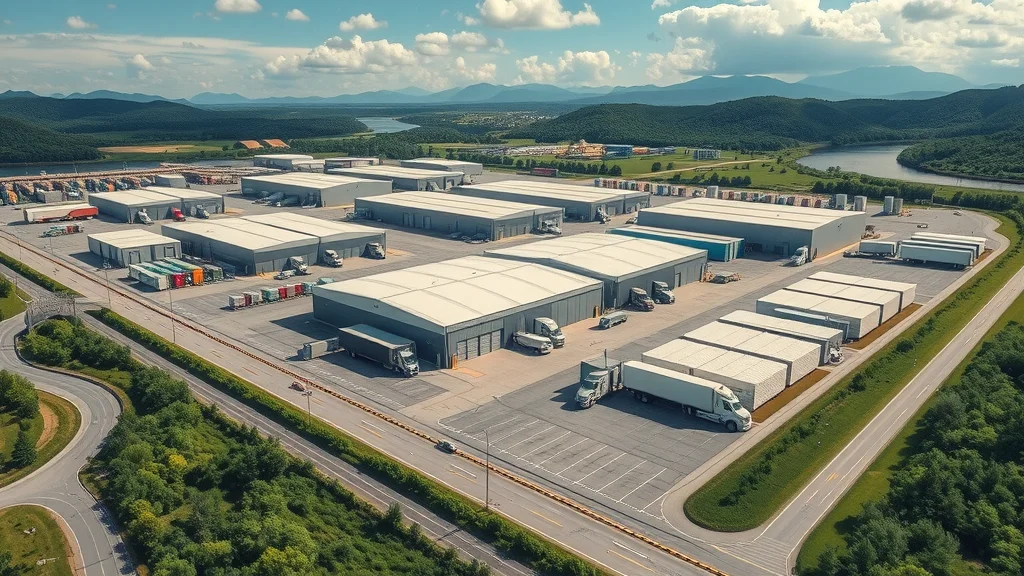
Aerial view of industrial real estate Tennessee Valley with warehouses, distribution centers, and logistics hubs surrounded by green mountains and rivers.

What You'll Learn About Industrial Real Estate Tennessee Valley

  • Current state and trends of industrial real estate Tennessee Valley
  • Key drivers behind economic development and regional expansion
  • Comparative insights on commercial real estate and logistics hubs
  • Strategies to leverage industrial real estate for investment or business relocation
  • Frequently asked questions about the industrial real estate Tennessee Valley market

Industrial Real Estate Tennessee Valley: At the Crossroads of Economic Development

The Tennessee Valley serves as a pivotal juncture for economic development, underpinned by its extensive industrial infrastructure and a policy environment primed for business-friendly initiatives. As major employers set up shop and regional industrial parks proliferate, the area emerges not just as a manufacturing powerhouse but a driver of broader community development. The valley’s blend of historic cities, like Decatur and Chattanooga, along with dynamic newcomers, is fostering a unique synergy—where infrastructure upgrades, public-private investment, and innovative workforce programs propel forward new waves of industrial tenants.

This transformation is possible thanks to the valley’s approach to economic development incentives, which range from customized workforce training to regional logistics grants. New distribution centers and high-tech manufacturing facilities are more than economic engines; they signal a future in which the Tennessee Valley stands tall as a model for thoughtfully planned growth and sustainable community advancement. With rising local employment and a strategic position within key transportation corridors, industrial real estate here is at the very heart of the region’s resurgence.

Professionals collaborating in modern industrial office with views of Tennessee Valley warehouses and city skylines.

Understanding the Industrial Real Estate Tennessee Valley Market

Navigating the industrial real estate Tennessee Valley market requires both regional expertise and a clear understanding of how supply, demand, and property values interact. Distinct from the broader commercial real estate landscape, industrial properties here are influenced by factors such as proximity to highways, rail networks, and the Tennessee River, as well as shifting patterns in national supply chain logistics. The valley region’s local market expertise is invaluable, as specific submarkets—from Huntsville’s aerospace parks to Murfreesboro’s distribution hubs—offer different opportunities for investors, site selectors, and operating businesses.

Market dynamics have shifted rapidly in recent years, with vacancy rates dropping, lease rates climbing, and a development pipeline emphasizing both speculative construction and build-to-suit facilities. Compared to other US regions, the Tennessee Valley delivers a unique mix of affordability, scalability, and rapid access to both raw materials and end customers. By understanding the segmentation across warehousing, advanced manufacturing, and distribution, stakeholders can position themselves to capitalize on the valley’s sustained momentum in industrial real estate value creation.

Commercial Real Estate Landscape & Market Segmentation in the Valley Region

The Tennessee Valley’s commercial real estate is segmented into industrial, logistics, office, and mixed-use properties, with industrial real estate representing the majority of growth over the past decade. While general commercial real estate includes retail and office spaces, industrial assets are purpose-built for manufacturing, storage, and supply chain logistics, often offering larger footprints, higher ceilings, and advanced loading facilities. Notably, leading sectors in the valley region—such as advanced manufacturing, e-commerce, and food logistics—have driven a surge in demand for both new and upgraded industrial sites, reflecting national trends toward reshoring and regional distribution.

This segmentation allows for tailored development incentives and regional planning, as developers respond to the needs of automotive suppliers, aerospace firms, and data center operators. The table below offers a comparative look at industrial real estate versus broader commercial properties in the local market, including insights on square footage, lease rates, and sector representation to help guide smart investment decisions.

Industrial Real Estate vs. Commercial Real Estate in Tennessee Valley
Property Type Sq. Ft. Available (2023) Avg. Lease Rate ($/SF/Yr) Top Sectors Development Pipeline
Industrial (Warehouse/Distribution) 19.5 million $4.25–$6.80 Manufacturing, Logistics, Cold Storage Strong – 6+ million SF under construction
Commercial (Office/Retail) 12.7 million $12.00–$22.00 Corporate, Retail, Professional Services Moderate – Repositionings, limited new builds

Driving Forces in Industrial Real Estate Tennessee Valley

The climb in industrial real estate Tennessee Valley activity is propelled by a combination of forward-looking economic development initiatives and the rapid expansion of key industry sectors. Local governments and organizations like the Tennessee Valley Authority continue to champion advanced infrastructure, attract new corporations, and nurture partnerships that foster innovation throughout the region. Initiatives such as streamlined permitting, site development grants, and customized workforce training programs directly impact the speed and success of industrial projects, creating ripple effects across both urban centers and rural towns.

As the region capitalizes on its central transportation location and energy reliability, its industrial corridor has become a magnet for modern manufacturing, logistics, and e-commerce companies. These sectors are not only fueling new construction and job creation, but they are also establishing long-term economic resilience that benefits both investors and the broader community. Understanding these driving forces is key for anyone evaluating the valley region as an industrial real estate destination.

Economic Development Initiatives Shaping Industrial Real Estate Tennessee Valley

Several economic development programs underpin the market’s transformation, including site readiness certification, industry-focused grants, and technical assistance for site selectors. The Tennessee Valley Authority and local city agencies frequently roll out incentives for companies willing to invest in advanced manufacturing, clean energy, or logistics facilities. Programs include property tax abatements, workforce development grants, and infrastructure improvement cost-sharing, making the region particularly attractive to both new entrants and established corporations aiming to scale operations efficiently.

Additionally, local educational institutions partner closely with businesses, ensuring a steady pipeline of skilled labor ready to operate advanced technology or manage complex supply chains. The cooperation between public officials, real estate developers, and logistics operators leads to a consistent flow of new industrial park announcements and business relocations—further strengthening the valley region's market dynamics and reputation as a premier economic destination in the Southeast.

Key Sectors Fueling Demand for Industrial Real Estate Tennessee Valley

  • Automotive and advanced manufacturing
  • Aerospace and defense logistics
  • E-commerce distribution
  • Food processing and cold storage

The Tennessee Valley’s concentration of automotive and advanced manufacturing companies is unrivaled in the region, with global brands relying on efficient, technologically advanced campuses to serve national and international customers. The boom in aerospace and defense logistics reflects the area’s skilled workforce and proximity to major military installations. E-commerce distribution centers, driven by the rapid migration to online retail, are contributing to the construction of expansive warehouse parks, many of which are equipped with the latest automation technologies. Meanwhile, food processing and cold storage are experiencing heightened demand due to both local agricultural production and increased consumer preference for fresh foods.

This sector diversity insulates the valley region from market fluctuations while creating a steady influx of new jobs and development opportunities. Investors, property managers, and tenants benefit from the momentum these industries generate, as their continued expansion translates to a healthy local market and a dependable stream of new industrial real estate projects.

“With major aerospace and automotive investments alongside e-commerce leaders expanding their southern logistics networks, the Tennessee Valley is on track to add thousands of high-skill jobs and millions of additional square feet in advanced industrial space over the next 24 months.” – Regional Economic Development Official

Inside automotive and aerospace industrial facilities in Tennessee Valley, workers operate machinery and robotic arms along expansive assembly lines.

Advantages of Industrial Real Estate Tennessee Valley for Investors and Businesses

The strategic advantages of investing or relocating operations to the Tennessee Valley are increasingly clear for those seeking a blend of affordability, market access, and business-friendly conditions. The region’s geographic positioning at the crossroads of key Interstate systems, navigable rivers, and Class I rail lines grants tenants and investors a rare combination of connectivity and flexibility. With strong support from local economic development authorities and a robust pipeline of new supply, the valley region offers the ideal environment for rapid growth and long-term value creation.

Another major asset lies in the cooperative ecosystem that unites public sector leadership, private developers, and educational partners. This collaborative approach ensures that new projects move efficiently through permitting phases, benefit from local intel, and always have access to a workforce built for advanced industry needs. The valley’s cost advantages relative to traditional industrial regions—such as Dallas or Atlanta—translate into higher ROI for investors and lower operational costs for tenants, strengthening the business case for valley-based operations.

Strategic Location within the Valley Region

The Tennessee Valley’s industrial parks are intelligently positioned along vital transportation arteries, including direct access to Interstates 65, 24, and 75, several Class I railroads, and port facilities on the Tennessee River. This makes the region a logistical sweet spot, offering fast connections to major Southeast, Midwest, and Gulf Coast markets. Proximity to the Great Smoky Mountains and metropolitan centers such as Huntsville and Chattanooga only magnifies its draw for distribution centers and manufacturing tenants requiring timely access to raw materials or customers.

Given its adjacency to longstanding freight routes and continual upgrades to local infrastructure, the valley region is attracting national site selectors and gaining a reputation for reliable, scalable supply chain solutions. This grand network of highways, rails, and waterways drives occupancy rates and supports sustainable growth for both investors and business operators looking for competitive advantage and regional resilience.

Modern logistics hub with trucks, cranes, and containers in Tennessee Valley, near river and highways, showing industrial real estate Tennessee Valley efficiency.

Access to Skilled Workforce and Collaborative Ecosystem

One of the most significant advantages of industrial real estate Tennessee Valley is access to a deep pool of skilled workers, supported by technical colleges, university partnerships, and hands-on training initiatives. The region prides itself on producing talent for advanced manufacturing, data analytics, and logistics operations. Institutions across East Tennessee and the broader valley region have aligned curricula with industry needs, ensuring that employers can reliably fill both entry-level and specialized positions.

This collaborative workforce ecosystem also benefits from active engagement with industrial real estate advisors, who provide market intelligence on hiring trends and help tenants or investors secure incentives for advanced training. These relationships keep valley-based industrial parks at the forefront of workforce productivity and innovation, boosting retention rates and providing substantial value for employers investing in modern facilities.

Cost Advantage: Industrial Real Estate vs. Other US Regions

The Tennessee Valley continues to outpace traditional markets in both occupancy and affordability. Average rents and land costs remain below those in Atlanta, Dallas, or even Nashville, translating into direct operational savings for businesses. Developers and investors benefit from lower barriers to entry and a favorable permitting environment, while tenants see higher operating margins due to reduced overhead. These cost advantages compound over time, making the region’s industrial real estate market attractive for long-term growth and stability.

For site selectors and property managers, this affordability, paired with a robust development pipeline, means fewer price spikes and less risk of speculative bubbles. Smart investors are prioritizing the Tennessee Valley not just for current cost savings but also for the potential long-term appreciation as continued economic development investments reshape the entire region’s real estate landscape.

Average Industrial Real Estate Costs (2023)
Region Avg. Rent ($/SF/Yr) Land Value ($/Acre)
Tennessee Valley $4.25–$6.80 $85,000–$210,000
Atlanta $6.75–$9.40 $240,000–$410,000
Dallas $5.90–$8.35 $180,000–$350,000
Nashville $5.75–$8.90 $160,000–$330,000

“Businesses are drawn to Tennessee Valley for its balance of competitive real estate costs and strategic market access. Most tenants cite labor availability, logistics efficiency, and lower property management expenses as deciding factors behind their relocation or expansion.” – Regional Commercial Real Estate Advisor

How Industrial Real Estate Tennessee Valley Shapes Community Growth

Industrial real estate in the Tennessee Valley is more than an economic engine—it’s a catalyst for quality of life improvements, infrastructure upgrades, and sustainable development. As new industrial parks rise and legacy facilities are modernized, surrounding communities benefit from enhanced amenities, increased tax revenue, and a revitalized sense of regional identity. The valley’s approach to integrating industrial assets with vibrant residential neighborhoods and recreational spaces is creating models for smart, sustainable growth that serves diverse local populations.

Through partnerships between city planners, industrial real estate advisors, and local business leaders, the valley region is fostering a climate where economic opportunity and community enrichment go hand in hand. From new public transit options to upgraded utility systems and green space initiatives, the positive impacts of industrial investment now ripple far beyond corporate bottom lines—reaching families and local businesses at every level of the community.

Quality of Life: Infrastructure and Amenities

Modern industrial parks in the Tennessee Valley are designed with community well-being in mind, featuring landscaped green buffers, recreational trails, and easy access to public amenities. Forward-thinking developments connect seamlessly to established neighborhoods, preserving local heritage while introducing amenities like walking paths, multi-modal transit access, and community gathering spaces. These investments not only enhance the day-to-day experience for workers but also elevate the property values of adjacent residential and commercial real estate.

Local leaders have invested in new schools, healthcare facilities, and public safety infrastructure—all supported by the tax revenue generated by robust industrial activity. These advances make the Tennessee Valley increasingly attractive for talent attraction and retention, offering the rare combination of career opportunity and high quality of life that defines great 21st-century communities.

Sustainable and Smart Industrial Development

  • Examples of innovative park developments
  • Environmental and workforce sustainability measures

With a growing focus on sustainability, many valley region industrial parks are built with eco-friendly materials, energy-efficient systems, and integrated renewable energy sources like solar panels. The adoption of smart building technologies—such as automated lighting, water recycling, and environmentally sensitive landscaping—reflects a broader commitment to both environmental and workforce sustainability. Developers frequently collaborate with city planners to implement advanced stormwater management, green roofs, and robust recycling programs.

Examples include the transformation of once-dated industrial corridors into state-of-the-art mixed-use complexes that support retail, recreation, and housing alongside high-performing logistics and manufacturing hubs. These innovations position the Tennessee Valley as a regional leader in sustainable industrial development—a trend likely to accelerate as ESG mandates and corporate sustainability standards grow increasingly important for investors and tenants alike.

Families and workers walking by landscaped pathways and green spaces adjacent to modern industrial buildings in a Tennessee Valley industrial park.

Partnering with the Right Industrial Real Estate Advisor Tennessee Valley

Securing an edge in the industrial real estate Tennessee Valley market requires the knowledge and network of an expert commercial real estate advisor. Local advisors provide on-the-ground intelligence on zoning, incentives, market cycles, and connectivity, ensuring properties are evaluated and negotiated in line with both immediate needs and long-term regional trends. The right estate advisor brings not just listings, but a personalized approach that reflects the realities of the valley region, from development incentives to site readiness and relationship networks with key stakeholders.

A trusted commercial real estate advisor becomes a vital partner for investors, developers, and tenants seeking to maximize value and minimize risk. Their relationships with city planners, industrial developers, logistics operators, and property managers ensure clients have access to off-market opportunities and timely guidance as market dynamics shift. As the Tennessee Valley continues to evolve, having a dedicated team with local market expertise can mean the difference between missed opportunities and market-leading success.

Importance of Local Expertise in Commercial Real Estate Advisor Selection

  • Tailored market intelligence
  • Due diligence on zoning and incentives
  • Relationship networks with developers, city planners, and logistics operators

Choosing an advisor with proven experience and a deep regional network ensures every investment or expansion decision is grounded in real-time data and local context. This is especially critical in a landscape as dynamic as industrial real estate Tennessee Valley, where site selection, infrastructure, and workforce supply can vary between submarkets like east Tennessee and greater Huntsville. Make sure your partner can offer references, verified market expertise, and a record of delivering on community development goals.

Frequently Asked Questions: Industrial Real Estate Tennessee Valley

  • What cities have the most industrial real estate Tennessee Valley opportunities?
  • How does industrial real estate Tennessee Valley differ from commercial real estate?
  • What incentives exist for industrial real estate Tennessee Valley investors or tenants?
  • How does infrastructure influence industrial real estate Tennessee Valley success?

Real estate advisor guiding prospective investors through a well-organized modern warehouse in Tennessee Valley.

Key Takeaways: Why Industrial Real Estate Tennessee Valley is Poised for Growth

  • Industrial real estate is fundamental to the valley’s broader economic development.
  • Strategic location and affordable costs provide Tennessee Valley with a national advantage.
  • Local expertise is crucial for successful investment or site selection.
  • Ongoing infrastructure development and workforce investment position the region for sustainable growth.

People Also Ask: Industrial Real Estate Tennessee Valley

[[paa question 1]]

The Tennessee Valley's ongoing industrial growth is a direct result of intentional and regionally-focused economic development strategies. As more manufacturers, distributors, and logistics operators choose the region, questions about site selection, available properties, and community impacts are front and center. The following responses offer clarity for those considering relocation, investment, or an insider’s perspective on the valley region’s real estate evolution.

[[paa question 2]]

Industrial and commercial real estate in the Tennessee Valley each provide distinct value. While industrial properties are purpose-built for heavy operations, warehousing, and logistics, commercial assets tend to attract retail, office, or service-oriented tenants. Investors and business operators should consult market experts to balance their needs and maximize opportunities across both asset types.

[[paa question 3]]

State and local governments across the Tennessee Valley region offer a rich mix of incentives, ranging from property tax relief to workforce readiness grants and fast-track permitting for new development. Understanding these benefits is essential for maximizing ROI and long-term operational efficiency in industrial real estate investments.

[[paa question 4]]

Infrastructure—such as highways, rivers, railroads, and broadband—plays a critical role in industrial real estate Tennessee Valley success. Properties in close proximity to major transportation routes offer superior shipping reliability and faster time-to-market, often swaying corporate site selectors to choose the valley for their next facility or expansion.

Get the Latest Industrial Real Estate Tennessee Valley Insights—Download Our Free Guide

Ready to harness the opportunities emerging across the Tennessee Valley region? Click here to download our complimentary Industrial Real Estate Tennessee Valley Market Guide for expert tips, regional data, and actionable strategies

Stay ahead in today’s fast-moving market by understanding and leveraging the unique strengths of industrial real estate Tennessee Valley—where opportunity, innovation, and sustainable growth intersect.


Real Estate Investment

0 Comments

Write A Comment

*
*
Related Posts All Posts
01.20.2026

Birmingham commercial real estate: Avoid These Costly Mistakes

Did you know that almost 30% of Birmingham commercial real estate transactions encounter preventable setbacks due to overlooked regional details? Investing in Birmingham’s dynamic commercial property market can offer rich returns—but too often, even experienced investors fall victim to mistakes rooted in misjudged risk, incomplete research, or insufficient local connections Startling Risks in Birmingham Commercial Real Estate Transactions The Birmingham commercial real estate sector is a magnet for local and national investors, drawn by its steady economic growth, revitalized downtown, and stable job market. However, while opportunities abound, so do region-specific pitfalls—many of which can seriously disrupt a deal, increase costs, or delay occupancy. Common examples include underestimating the importance of local property management expertise, neglecting detailed market research, or failing to account for unique zoning regulations. In a competitive landscape driven by trends in office space, retail space, and industrial assets, even minor lapses—such as ignoring neighborhood specifics in Parkway East or overlooking the renewal clauses for commercial leases—can result in expensive setbacks. In today’s fast-paced Birmingham marketplace, transaction delays or unfavorable purchase terms are rarely due to random chance. More often, they stem from preventable issues like rushed due diligence or overreliance on general real estate data rather than regionally tailored analysis. As the city continues to attract corporate relocations and local entrepreneurial growth, understanding the nuanced risks of Birmingham commercial real estate is increasingly essential for anyone seeking office buildings for sale or managing a property acquisition. Proactive investors address these risks—ensuring better protection for their capital and clearer pathways for long-term success. "A recent report found that nearly 30% of Birmingham commercial real estate transactions experience preventable setbacks due to overlooked details or regional pitfalls." Why Missteps Happen in Birmingham’s Commercial Real Estate Market Local missteps typically take root in a lack of familiarity with what distinguishes Birmingham within the broader United States commercial real estate landscape. Investors—especially those new to Birmingham or moving in from other cities—commonly apply generic strategies without accounting for factors like emerging corridors, changing infrastructure patterns, or the intricacies of local property management options. This “one-size-fits-all” approach often misses vital details, such as tenant demographics unique to Parkway East or redevelopment initiatives in Cahaba Valley, both of which directly influence property performance and lease negotiations. Furthermore, even experienced real estate firms can underperform if they skip robust market research or collaborate with non-local service providers. Without a clear view of current drivers—like regional job creation, public-private investment incentives, and transportation upgrades—buyers risk overpaying, missing value-add opportunities, or being outmaneuvered by competitors with deeper local knowledge. The key takeaway: every investor must rigorously assess the local context of the Birmingham commercial real estate market before making high-stake moves. What You'll Learn: Navigating Birmingham Commercial Real Estate with Confidence Key insights into Birmingham commercial real estate mistakes How to assess commercial property for risk Best practices for successful real estate investment in the region Understanding the Birmingham Commercial Real Estate Landscape Birmingham’s commercial real estate market stands at the crossroads of Southern tradition and modern economic ambition. Recent years have seen increased demand for flexible office space, revitalized retail space, and industrial properties, reflecting the city’s status as a business-friendly environment attracting both established corporations and startups. Headquartered in Birmingham are several innovative estate firms and property management companies that understand the particular challenges and benefits of buying or leasing within the region. Whether you are looking for an office building for sale or exploring new retail developments along Cahaba Valley, the ability to interpret macro- and micro-level trends in the local market is instrumental for smart investment. Critical factors include neighborhood-specific growth (such as new infrastructure in Parkway East), shifting tenant preferences, and a competitive climate for commercial property acquisition. Consistent job growth, targeted tax incentives, and developments in logistics infrastructure have all placed Birmingham among the more resilient al real estate markets in the United States. Yet, beneath the surface, every property and district presents a unique web of risks and opportunities. Knowing how to differentiate between them ensures that both institutional buyers and independent investors deliver results and avoid the all-too-common setbacks reported across the commercial space. Current Economic Drivers in Birmingham's Real Estate The ongoing transformation of Birmingham’s commercial real estate market can be traced to robust economic drivers. Job growth, driven by corporate relocations, expansions, and the emergence of tech startups, leads to a strong appetite for new office space and commercial property. Infrastructure improvements—including modernized highways and public transit systems—bolster accessibility, making sites more attractive to regional tenants and national brands alike. At the same time, targeted local business incentives attract outside investment, encouraging further development across formerly underutilized tracts. These drivers have a direct impact on Birmingham commercial real estate, increasing the value and desirability of office buildings for sale, retail developments, and mixed-use properties. For businesses seeking convenient access and modern amenities, the evolving landscape offers significant opportunities, provided they are navigated with accurate, local intelligence. Investors and property management firms alike must watch not just current demand, but also how workforce trends and infrastructure planning will influence commercial property values in years to come. Regional Trends Impacting Commercial Real Estate and Commercial Space Several regionally distinct trends are shaping Birmingham’s commercial landscape. Redevelopment in historical districts has encouraged mixed-use growth, blending retail, hospitality, and office space within walkable city blocks. Meanwhile, demand for logistics and warehousing reflects Birmingham’s strategic location for distribution within the Southeast and across the United States. Areas such as Parkway East and Cahaba Valley are seeing increased attention from both national estate firms and locally headquartered in Birmingham companies, drawn by competitive pricing and proximity to key highways. Moreover, the city’s growing tech scene has redefined expectations for commercial space, favoring adaptable layouts and high-connectivity environments. The result is a commercial real estate market that rewards close study of local trends—especially for investors focused on properties for sale or lease in up-and-coming corridors. Having access to up-to-date, region-specific data on comparative sales and area development is no longer optional: it’s essential for securing the best deals. Key Economic Factors Shaping Birmingham Commercial Real Estate Economic Factors Impact on Birmingham Commercial Real Estate Job Growth Drives demand for commercial property and upgrades existing spaces to meet modern workforce needs. Infrastructure Improves accessibility and logistics, raising the appeal for both tenants and developers. Incentives Attracts business investment by lowering operational costs and enabling new construction or redevelopment. Mistake #1: Failing to Assess Property Management in Birmingham Commercial Real Estate One of the costliest missteps in Birmingham commercial real estate is overlooking the caliber of property management. The local market can be unforgiving for out-of-town investors or new landlords who ignore the critical influence of hands-on, regionally experienced property management services. Inadequate oversight leads to poorly maintained buildings, inconsistent tenant experiences, and escalating operational costs—each of which can undermine even the best-positioned commercial space investment. Reliable property management functions as more than just a maintenance service; it serves as the daily face of the property for tenants, ensures regulatory compliance, and quickly addresses local market shifts. With Birmingham’s business environment often moving at a brisk pace, only property management firms with deep understanding of local needs, tenant demographics, and regulatory changes can deliver the operational excellence investors require to remain competitive and profitable. The Role of Professional Property Management in Commercial Real Estate The importance of professional property management in commercial real estate cannot be overstated—especially in a market as diversified and evolving as Birmingham. Property managers are responsible for maintaining everything from the condition of office buildings to tenant relationships and responsiveness to emergencies. They navigate complex local ordinances, oversee vendor contracts, and keep a vigilant eye on operational costs. Their expertise can spell the difference between a high-performing asset and an underperformer plagued by vacancies, maintenance backlogs, or tenant churn. In Birmingham’s competitive marketplace, experienced property management teams deliver results by proactively managing risk, communicating with tenants, and adapting to shifts in the economy or regulatory environment. For investors evaluating commercial property for sale, the track record and reputation of the property management company should rank as high as location and building amenities. Without this essential partner, even properties in prime zones—such as downtown or near Parkway East—can struggle to meet operational and financial goals. What to Look for in Reliable Birmingham Property Management When considering an investment in Birmingham commercial real estate, scrutinize the credentials, local knowledge, and technology usage of property management firms. Look for estate services with extensive regional experience, transparent reporting practices, and a hands-on approach to both day-to-day issues and strategic planning. The best property management companies in Birmingham are those that can point to tenant retention statistics, offer clear maintenance and improvement plans, and provide references from other local clients—ensuring you’re not just purchasing an asset, but a proven management infrastructure as well. The right property management partnership will distinguish your asset in Birmingham’s crowded commercial marketplace, protect your investment from avoidable maintenance issues, and support long-term value appreciation. Whether your focus is an office building for sale or an existing retail space, align yourself only with those partners who are ready to deliver results tailored specifically to Birmingham’s dynamic business climate. Expert Insights: Property Management Essentials for Birmingham’s Commercial Space Mistake #2: Overlooking Local Market Research for Birmingham Commercial Real Estate Sound investments in Birmingham commercial real estate depend on more than just financial calculations—they require a deep, data-driven understanding of current and upcoming local market conditions. Unfortunately, even seasoned investment professionals sometimes cut corners when it comes to analyzing comparable sales, lease rates, and tenant expectations specific to neighborhoods such as Parkway East, Cahaba Valley, and Southside. Without this insight, it’s easy to overpay for properties, misjudge stable rental rates, or underestimate required improvements to attract Birmingham's evolving tenant base. The lack of regionally focused research is a major culprit behind lost investment potential and deal delays, regardless of whether you are fresh to the market or working with a national real estate firm. In practice, failing to dig into neighborhood dynamics, development plans, or comparable property sales can mean missing out on strategically positioned assets—and falling behind more locally attuned investors. Analyzing Comparable Commercial Real Estate Sales and Leases Successful investors in Birmingham’s commercial real estate market begin every acquisition with an assessment of comparable sales and active lease rates for similar properties. Reviewing recent transactions—especially in your target property’s immediate zip code—reveals pricing trends and helps guard against hidden value traps. Factors including building age, amenities, nearby infrastructure upgrades (like those along Parkway East), and market absorption rates can subtly shift property values, influencing both current purchase price and long-term appreciation. Estate firms specializing in Birmingham know that true due diligence extends to lease analysis as well: Are renewal rates in nearby office buildings holding steady? Is tenant demand for retail space in Cahaba Valley growing in tandem with residential development? By benchmarking meticulously, you ground your investment on real numbers instead of wishful thinking—and position yourself ahead of buyers relying on overly broad United States or even state-wide data Understanding Neighborhood Dynamics: Parkway East, Cahaba Valley, and More No two Birmingham neighborhoods are alike, particularly when it comes to commercial property demand and tenant profiles. Parkway East, for example, draws businesses seeking convenient access to transportation corridors, while Cahaba Valley is favored by those looking for new office buildings and flexible retail space in growth-focused corridors. Understanding the nuances of each district—average lease lengths, predominant industries, local workforce trends, and planned infrastructure improvements—is vital for both short- and long-term commercial real estate strategies. Consider working with a real estate firm that maintains up-to-date market analytics and year-over-year trend reports for key Birmingham zones. These resources help identify hidden opportunities and alert you to potential headwinds—such as upcoming rezoning decisions or shifting tenant demographics—that could impact your property’s value or lease-up schedule. Savvy investors never underestimate the importance of granular, local intelligence before finalizing a deal. Mistake #3: Ignoring Due Diligence in Birmingham Commercial Real Estate Deals Comprehensive due diligence is a cornerstone of every successful commercial property deal, yet it is too often glossed over in the rush to close or outbid competitors. In Birmingham, the stakes are especially high, as older structures, historic office buildings, or recently redeveloped areas can harbor hidden legal, regulatory, or physical issues. Neglecting or abbreviating due diligence can result in major setbacks—ranging from unexpected repair costs to legal disputes about property boundaries, use restrictions, or compliance issues. Every buyer of Birmingham commercial real estate must be prepared to methodically evaluate all risk factors, with a process that encompasses both property condition and local regulatory landscape. Real estate firms with local experience know that navigating the full range of due diligence steps is the only safeguard against avoidable, sometimes career-defining, mistakes. Physical and Legal Due Diligence for Commercial Property Conducting physical due diligence in Birmingham goes beyond examining a property’s curb appeal. Investors must assess structural integrity, verify mechanical systems, and examine any prior modifications or repairs logged by current property management. Equally crucial is legal due diligence: reviewing zoning compliance, historical use permits, and local building codes specific to the city or even the neighborhood. Failing to thoroughly vet any of these elements can result in denied permits, uninsurable conditions, or costly post-sale remediation. It is highly recommended that buyers retain professionals with experience in al real estate law, environmental auditing, and regional title verification. This team ensures full alignment with both local ordinances and national standards, safeguarding your investment from unexpected setbacks and compliance costs later down the road. Common Overlooked Issues in Birmingham Commercial Real Estate Zoning compliance Environmental assessments Title and deed verification Zoning issues, in particular, affect Birmingham more than many realize: a building purchased for retail space might not legally support such use in a specific district without a formal variance. Environmental issues, such as the presence of legacy pollutants, are a risk in industrial zones and can impair your ability to secure financing or resale. Title and deed discrepancies—often stemming from decades-old land divisions—require careful review by specialized professionals to ensure a smooth transaction. Mistake #4: Underestimating Operating Costs of Birmingham Commercial Real Estate Another widespread error among commercial real estate investors in Birmingham involves underestimating or oversimplifying ongoing operational costs. The city’s diverse commercial stock encompasses everything from historic office buildings to new mixed-use towers, each with its own cost structure. Overlooking real, region-specific costs—such as utilities, insurance, maintenance, and municipal taxes—can turn a seemingly viable property into a cash drain. Diligent investors and estate firms avoid this mistake by developing robust, scenario-based budgets that reflect not just predicted tenant income but also all potential operating expenses. Failing to accurately forecast these costs undermines investment returns and can quickly erode a property’s market value. Understanding True Cost of Ownership in Birmingham’s Commercial Real Estate Market True cost of ownership in Birmingham commercial real estate covers much more than the initial purchase or down payment. It incorporates ongoing expenses—like preventative maintenance, property management, utilities, insurance premiums, periodic capital improvements, and city-specific tax structures. Some neighborhoods or property types, such as office space in revitalized districts, may require higher outlays for security, renovations, or energy upgrades. To ensure accurate financial planning, buyers are urged to request multi-year operating statements and vendor contracts before purchase, and to benchmark proposed costs against similar assets locally. Only with a full accounting of every recurring expense can you make informed comparisons across properties and avoid unpleasant surprises after closing. Budgeting for Management, Maintenance, and Taxes Proper budgeting for Birmingham commercial property means building in realistic estimates for both anticipated and unexpected costs. The biggest expenditures beyond mortgage payments typically include professional property management, ongoing building maintenance, and local taxes. Smart investors also anticipate rising utility prices, seasonal HVAC demands, and unexpected repairs. Some sectors (such as office buildings in historic downtown) may qualify for city or state tax incentives, while others are subject to incremental assessments tied to infrastructure expansions. Engage an estate firm or commercial real estate services provider headquartered in Birmingham to secure the most reliable cost assessments. These experts can flag hidden costs and help structure leases or service contracts that clearly assign responsibilities—protecting your bottom line and ensuring stable property performance over time. Mistake #5: Not Engaging Local Real Estate Services and Expertise Navigating the Birmingham commercial real estate market without tapping into local estate services can put your investment at risk. National brokers or online platforms may expose you to broader listings, but nothing replaces the depth of insight and professional connections that come from working with experienced agents, property management teams, and legal counsel who know Birmingham inside and out. Many unsuccessful acquisitions feature a common thread: lack of local expertise, resulting in missed red flags, subpar tenant negotiations, or deals slowed by unfamiliarity with municipal processes. Birmingham’s most successful commercial real estate investors and developers routinely prioritize partnerships with locally embedded service providers. These teams understand the pulse of changing neighborhoods, access unlisted or off-market properties, and facilitate relationships with lenders, architects, city officials, and contractors unique to the region. How Estate Services Add Value to Commercial Real Estate Transactions Estate services in the Birmingham commercial market deliver results far beyond transaction facilitation. A skilled broker brings granular insight regarding competitive listings, recent sales, tenant movements, and micro-trends across districts like Parkway East or Cahaba Valley. Property management experts negotiate favorable operating agreements, expedite tenant improvements, and navigate the regulatory landscape to minimize downtime for new owners. Local valuation specialists help set market-driven pricing, while legal teams ensure every contract reflects Birmingham’s unique compliance environment. Together, these local estate services ensure investors secure properties aligned to their business goals, avoid costly missteps, and maintain the agility needed to respond to changing economic or regulatory scenarios. Working with Regional Experts on Commercial Real Estate Regional expertise transforms a Birmingham commercial property acquisition from high-risk prospect to calculated investment decision. These professionals use established relationships with city planners, neighborhood associations, and local contractors to anticipate obstacles and fast-track solutions. Whether your focus is a commercial building for sale, a long-term office space lease, or renovation of a mixed-use asset, regional experts ensure your strategy and execution reflect real conditions on the ground. Select estate firms and property management companies that have demonstrable project histories within Birmingham and are committed to ongoing training and market monitoring. Their existing networks can be the difference between closing on a highly sought-after asset and facing extended negotiation delays—or missing out altogether. Case Study: Learning from Real Mistakes in Birmingham Commercial Real Estate Let’s consider a real-world example that highlights the value of local expertise: A small business owner targeted a downtown Birmingham retail space missing a crucial zoning amendment—something a non-local broker might easily overlook. By engaging a Birmingham-based advisor, the owner identified and resolved this risk early, saving months of regulatory delay and costly redesign. Such stories are common; in a rapidly growing city, only those who invest in thorough, regionally focused due diligence are equipped to avoid preventable losses. This experience underscores a broader takeaway: while Birmingham’s commercial real estate market is full of potential, successfully capturing that value demands informed, locally rooted strategies—applied before and after purchase or lease agreements are signed. "Working with a local advisor helped us avoid a costly zoning oversight that would have stalled our business launch for months."— Birmingham Business Owner Case Review: Common Birmingham Commercial Real Estate Pitfalls and What Went Wrong How to Avoid Common Birmingham Commercial Real Estate Errors: Step-by-Step Checklist Research current Birmingham commercial real estate trends Conduct thorough due diligence for each property Calculate all operational and hidden costs Consult with real estate services specializing in Birmingham Review zoning and compliance issues Ensure robust property management is in place Adhering to this checklist positions you to deliver results and avoid the setbacks plaguing many office building and retail space investors in the region. People Also Ask: Birmingham Commercial Real Estate How do I find reliable commercial real estate listings in Birmingham? Answer: Use established regional platforms, work with certified real estate agents, and consider direct connections with local property owners or property management firms. What are the top challenges investors face in Birmingham commercial real estate? Answer: Common challenges include lack of market familiarity, underestimating true costs, compliance with local regulations, and sourcing trustworthy property management. How does Birmingham's economic outlook affect commercial real estate? Answer: Birmingham’s economic health, business incentives, and infrastructure projects can all drive demand or alter property values in the commercial real estate market. FAQs: Birmingham Commercial Real Estate What types of commercial properties are most in demand in Birmingham? How can I evaluate a property’s long-term investment potential? What local taxes or incentives should be considered for Birmingham commercial real estate? Key Takeaways: Succeeding in Birmingham Commercial Real Estate Avoid costly pitfalls by emphasizing due diligence Invest in local insight and real estate services Operating costs and market trends are critical for smart investments Make Informed Moves in Birmingham Commercial Real Estate For the latest local market insights supporting Birmingham commercial real estate decisions, subscribe to The Tennessee Valley Insider newsletter.

01.20.2026

Is Tennessee Valley real estate investing the Breakthrough You Need?

Did you know? Over the past decade, median home prices in the Tennessee Valley have grown faster than in many neighboring regions—with some cities seeing rental property returns that outpace national averages Startling Truths About Tennessee Valley Real Estate Investing Tennessee Valley real estate investing has shifted from being a quiet regional opportunity to a topic of national conversation among estate investors. The region has distinguished itself with resilient growth, driven by infrastructure expansion, corporate relocations, and a diversified economy that stands out even among the broader Tennessee real estate market. Unlike some Southern markets grappling with stagnation or oversupply, the valley’s blend of moderate home prices, rising rental yields, and strong job creation has created an environment where both novice and experienced investors find compelling entry points. The results? Property values in key valley cities have repeatedly outperformed nearby regions, revealing a depth of opportunity for those ready to engage with local trends "Home values in the Tennessee Valley have consistently outperformed many comparable Southern markets for the past decade, a testament to the region’s economic fundamentals." What You'll Learn About Tennessee Valley Real Estate Investing Emerging trends in the Tennessee Valley real estate market How investment property performance compares regionally Key factors driving growth in Tennessee valley realty What local investors, groups, and property management can offer How business, employment, and infrastructure changes influence the valley real estate sector Overview: Tennessee Valley Real Estate Investing in Today’s Economy Today’s Tennessee Valley real estate investing landscape is shaped by a complex interplay of economic, social, and demographic dynamics. Across cities like Huntsville, Birmingham, and Chattanooga, the real estate market is buoyed by steady job growth, rising population, and significant infrastructure improvements—factors directly influencing demand for both homeownership and rental property investments. Investors looking for sustainable, long-term returns are drawn by the region’s comparatively affordable home prices and the promise of continued appreciation as new businesses and industries set down roots. Unlike many overheated metro areas nationwide, the Tennessee Valley offers a balanced market: inventory remains competitive but not inaccessible, and communities reflect a high standard of living. As tech companies, auto manufacturers, and research hubs expand their local footprint, valley realty and investment group professionals highlight the importance of understanding these regional currents. Smart estate investors focus not just on property acquisition but on the broader context—workforce trends, urban development, and civic investments that will shape housing supply, demand, and price resilience for years to come. Tennessee Valley Economic Growth and its Impact on Real Estate Widespread economic growth in the Tennessee Valley is a primary engine for its real estate market. New corporate headquarters and government facilities have brought a steady stream of professionals and families into the region, increasing demand for residential and commercial properties alike. The valley’s unique advantage comes from diversified sectors—technology, health care, manufacturing—which provide resilience against nationwide downturns and support a stable rental property market. Rental yields in tech-savvy cities like Huntsville consistently attract estate investors, while strong employment has driven down vacancy rates and spurred new construction in both urban and suburban pockets. Equally important is the effect of public infrastructure, such as expanded highways, bridges, and transit projects, which not only improve commutes and boost regional connectivity but also unlock new real estate zones ripe for investment property development. The interplay between these civic upgrades and the location choices of businesses means investors who follow infrastructure trends can often anticipate which neighborhoods or corridors will see the next leap in home price or rental demand. How Infrastructure Projects Fuel Investment Property Opportunities Major infrastructure projects—everything from state-of-the-art research parks to riverfront revitalizations—are reshaping the Tennessee Valley. As these projects come online, they frequently signal rising property values and rental demand in surrounding areas. Investment groups with deep local knowledge often target early acquisitions in these zones, maximizing return as neighborhood popularity surges. Whether it’s new highway connectors in Decatur or high-speed internet expansions in Florence and Muscle Shoals, infrastructure remains a crucial driver for estate investors aiming to align with the valley’s forward trajectory. Short explainer: Mapping Tennessee Valley’s Key Real Estate Markets Regional Real Estate Market Trends Shaping Investment Property Success Understanding regional trends is central to effective Tennessee Valley real estate investing. The last few years have shown that valley realty and investment go hand in hand with demographic shifts, as remote workers, young professionals, and retirees seek dynamic yet affordable places to live. Cities boasting strong performing schools, sustainable planning, and thriving local economies have topped homebuyer and renter wish lists, leading to population inflows that outpace national averages. The housing market here differs from state or national patterns, often demonstrating a mix of low vacancy, stable pricing, and high-rent growth. Investors should note that while the valley’s median home prices are steadily climbing, the region remains more attainable for entry investors compared to markets with steeper barriers. Out-of-state buyers and local investment groups alike are leveraging this trend, creating competitive dynamics—and catalyzing neighborhood revitalization in the process. Tennessee Real Estate Market Conditions: Supply, Demand, and Pricing Limited supply and increasing demand have defined the Tennessee real estate market, particularly in the valley’s high-growth cities. New construction struggles to keep up with inward migration, which keeps vacancy rates low and supports considerate home price appreciation. In key metros like Huntsville and Chattanooga, average home prices remain accessible relative to peer regions but have shown consistent yearly gains, offering promising capital appreciation for estate investors entering today’s market. This favorable environment does not come without its complexities. While affordability remains a benefit, investors must be diligent about market cycles, zoning changes, and neighborhood-level shifts. The valley realty and investment group community has responded by investing in due diligence resources, market analytics, and professional property management, mitigating risk and maximizing returns for both local and remote investors. Emergence of Valley Realty and Investment Hubs One of the most significant trends in recent years has been the emergence of distinct valley realty and investment hubs. Beyond the traditional draw of metropolitan centers, secondary cities such as Florence, Decatur, and Gadsden have developed robust real estate markets, underpinned by local industry and civic investment. These cities often offer lower entry costs and higher relative rental yields, making them increasingly attractive for investors seeking to diversify beyond more established hotspots. In these hubs, the presence of active investment groups, specialized property management companies, and progressive city planning ensures that both long-term appreciation and near-term cash flow are accessible. As population growth continues, these emerging areas are likely to remain central to discussions about the future of Tennessee Valley real estate investing. Prudent investors recognize that monitoring these hubs—alongside infrastructure and workforce changes—provides an edge in discovering the next breakout neighborhood or investment opportunity. Key Cities: Which Tennessee Valley Realities are Driving Growth? Huntsville’s Tech Corridor Birmingham’s Historic Neighborhoods Chattanooga’s Waterfront Developments Florence and Muscle Shoals’ Housing Market Evolution Decatur and Gadsden: Industrial Impacts on Investment Property Comparison Table: Median Home Prices, Rental Yields, and Growth Rates Across Tennessee Valley Cities City Median Home Price (2023) Avg. Rental Yield YoY Home Price Growth Huntsville $318,000 7.1% 6.4% Birmingham $255,000 6.8% 5.9% Chattanooga $330,000 6.5% 6.1% Florence/Muscle Shoals $232,000 7.3% 5.7% Decatur/Gadsden $190,000 7.6% 5.2% How Tennessee Valley Investment Property Differs From the Rest of Tennessee Real Estate Investment property in the Tennessee Valley offers a markedly different profile from other regions in Tennessee, notably the popular Smoky Mountain areas. While the latter is renowned for its short-term rental appeal and tourism-driven housing demand, the valley is anchored in year-round workforce housing, local business expansion, and a growing base of full-time residents. Home price growth in valley cities is linked less to seasonal tourism and more to stable job creation and civic planning, giving investors more predictable appreciation timelines and occupancy rates. Moreover, the valley realty and investment group sector tends to be more collaborative and focused on long-term community development, versus the sometimes transient nature of Smoky Mountain vacation markets. Investors seeking stable, mid-to-high yield rental properties, supported by strong local economies, often see the Tennessee Valley as a safer, more sustainable market for both cash flow and appreciation. Smoky Mountain Market Versus Valley Realty and Investment Group Performance The Great Smoky Mountain areas―centered around cities like Gatlinburg and Pigeon Forge―are famous for STRs (short-term rentals) and vacation home investments. These markets can offer periods of rapid return but are susceptible to seasonal swings, regulatory shifts, and tourism trends. In sharp contrast, valley realty and investment group activity throughout the Tennessee Valley centers on properties with longer lease cycles and lower vacancy volatility. Estate investors who prefer diversified portfolios may participate in both types of markets; however, those who forecast greater growth and resilience during economic downturns have increasingly concentrated their resources in the valley’s mainstay job and housing centers. Here, the focus is on family-oriented housing, workforce apartments, mixed-use developments, and business-friendly zoning—all features that help reinforce the valley’s reputation for sustainable estate investing. Expert View: Real Estate Investors Discuss Local Strategies Property Management: Best Practices for Tennessee Valley Real Estate Investors Evaluating Property Management Companies in the Tennessee Valley: Investors should scrutinize management company reputations, seek transparent fee structures, and ensure providers have deep knowledge of local ordinances. What Local Estate Investors Should Know About Regulations: Regional laws regarding tenant rights, eviction processes, and property taxes can vary widely and are subject to change as communities evolve—so staying updated is critical. Technology Trends in Rental and Leasing Management: Automation tools, online payment systems, and digital inspection reports are transforming the region’s property management process, making operations more efficient and investor-friendly. Effective property management remains a cornerstone of successful Tennessee Valley real estate investing. Choosing the right partner can streamline leasing, maintenance, and legal compliance—freeing investors to scale portfolios while maintaining tenant satisfaction and long-term asset value. As the valley’s property management sector matures, professional standards continue to rise, lowering operational risks for both out-of-state owners and local estate investors. Another crucial best practice involves regular education: staying informed about the latest leasing technology, evolving real estate market dynamics, and legislative changes helps safeguard both profitability and regulatory compliance. This is particularly important as the valley’s population and rental property inventory expand, creating new opportunities and challenges for those involved in investment property. Partnering with Valley Realty and Investment Groups: Opportunities and Considerations Joining forces with a reputable valley realty and investment group offers estate investors several distinct advantages, from pooled capital and shared due diligence to access to off-market deals and broader networks. These partnerships can be especially beneficial for first-time investors seeking mentorship or local insight, as well as for experienced investors aiming to diversify holdings across different neighborhoods and asset types. Group members typically leverage collective bargaining to secure favorable property management contracts and to stay ahead of regional real estate trends. However, every investor should carefully consider compatibility and transparency when partnering with a realty and investment group. Aligning on investment goals, risk tolerance, and operational strategies is essential for long-term success. Some groups may focus on multi-family developments near industrial growth zones, while others target single-family homes in emerging urban districts. Conducting thorough due diligence on both potential partners and targeted markets will enhance decision-making and help prevent future disputes, ensuring a productive, collaborative investing experience. Choosing Between Solo Investing and Joining an Investment Group Deciding whether to invest solo or through an investment group typically comes down to personal expertise, capital, and the desired level of involvement. Solo estate investors enjoy the freedom to select properties and markets according to individual preferences—but also carry the full responsibilities of due diligence, property management, and risk. Conversely, those who join a valley realty and investment group can benefit from shared knowledge, reduced financial exposure, and specialized support. Each format holds unique appeal: solo investors might prioritize autonomy, while group members gain exposure to deals and expertise they could not otherwise access—factors that are especially relevant in fast-moving Tennessee Valley real estate markets. Whichever path is chosen, maintaining an informed, locally grounded approach is crucial to unlocking strong, sustainable investment results. People Also Ask: Tennessee Valley Real Estate Investing What is the 7% rule in real estate? The 7% rule in real estate is a guideline for investors suggesting that the gross annual rental income of a property should be at least 7% of the property’s purchase price, offering an initial screening tool for evaluating potential returns—especially useful in the Tennessee Valley’s competitive housing market. Where is the best place to invest in Tennessee? Popular investment locations in the Tennessee Valley include Huntsville, Chattanooga, and Birmingham, driven by employment growth, innovation hubs, and consistently strong housing demand. What is the 3 3 3 rule in real estate? The 3 3 3 rule typically refers to reviewing three properties, offering to three sellers, and negotiating three deals simultaneously, improving success chances for Tennessee real estate investors. Is buying a home in Tennessee a good investment? In most Tennessee Valley cities, housing market trends—paired with healthy job and infrastructure growth—continue to make homeownership a solid long-term investment strategy. Common Tennessee Valley Real Estate Investing Questions (FAQs) How do I get started in Tennessee Valley real estate investing? Begin by researching local markets, connecting with experienced realtors or investment groups, and prioritizing areas with strong economic and demographic growth. What are the risks unique to the Tennessee Valley real estate market? Key risks include regional regulatory changes, localized oversupply in rapidly developing areas, and fluctuations in employment tied to specific industry sectors. How do I find property management support in the region? Look for companies with extensive valley experience, solid client reviews, and a transparent approach to fees and service agreements. Local realty and investment groups often share preferred vendor lists. Who are the major investment groups and valley realty companies? Many are regional firms active in Huntsville, Chattanooga, and Birmingham, as well as smaller specialist groups focusing on single-family or multi-family assets. Networking via regional real estate associations is a good starting point for connecting with these organizations. Key Takeaways for Tennessee Valley Real Estate Investors Tennessee Valley real estate offers diverse opportunities, driven by strong economic fundamentals and regional growth. Investment property demand is high in tech-driven and infrastructure-rich areas. Understanding local regulations and partnering with reputable valley real estate professionals is critical for success. Are You Ready to Transform Your Investment Future? Download Our Tennessee Valley Real Estate Guide Today Unlock the insights you need to make informed, confident investment decisions in one of the nation’s most promising regional markets. Access our comprehensive Tennessee Valley Real Estate Guide to get started now.

01.19.2026

Real Estate Investment Opportunities in North Alabama Now

Did you know? Over the past five years, North Alabama’s real estate market has seen rental rates and home prices grow faster than traditional hotspots like Austin and Nashville, reshaping the conversation on where smart money is moving next A Surprising Real Estate Shift: Unveiling North Alabama’s Investment Potential North Alabama’s real estate investment landscape is quietly surging, driven by sustained economic growth, thoughtful community planning, and consistent population gains. The region, including celebrated markets like Huntsville, Decatur, Florence, Athens, and Gadsden, offers a unique alternative to pricier, over-saturated metros. Investors are drawn by North Alabama’s resilient estate market fundamentals: rental demand outpaces the national average, median home price appreciation rates lead the Southeast, and the cost of entry remains far below larger cities, making it ideal for both first-time investors and seasoned pros. The secret? *A blend of affordable living, robust job markets fueled by sectors like aerospace and tech, and a quality-of-life proposition that attracts young professionals and families alike “North Alabama has quietly outperformed traditional ‘hot’ markets over the last five years in key investment metrics, according to U.S. Census data.” What You’ll Learn About Real Estate Investment Opportunities in North Alabama Unique economic growth fueling real estate market resilience Diverse opportunities for estate investors in Huntsville, Decatur, Florence, and beyond How north Alabama's cost of living and population growth affect rental properties and property value Key strategies for maximizing returns on real estate investment in the Tennessee Valley Understanding regulatory shifts in commercial real estate and residential sectors Understanding the Real Estate Market Landscape in North Alabama Economic Growth, Population Trends, and Market Fundamentals When analyzing real estate investment opportunities in North Alabama, context matters. The region’s economic growth is anchored by strong job creation in technology, aerospace, defense, and advanced manufacturing — with Huntsville (nicknamed the “Rocket City”) at the epicenter. As Alabama’s largest city, Huntsville’s population growth is remarkable, consistently outpacing national averages and drawing both skilled workers and families seeking better opportunities and affordable living. This influx fuels sustained demand for rental properties and energizes both the residential and commercial real estate sectors. The result? North Alabama’s real estate market demonstrates healthy fundamentals Population growth in Huntsville and the greater city of Huntsville region The effect of economic growth and job creation on estate investment opportunities Current dynamics in the north Alabama real estate market Key Market Indicators for Real Estate Investment Opportunities in North Alabama Market Population Growth (5 yrs) Median Home Price Rental Yield (%) Vacancy Rate (%) Main Economic Drivers Huntsville +15% $295,000 7.2 3.7 Aerospace, Tech, Education, Government Decatur +7% $218,000 8.1 5.1 Manufacturing, Healthcare, Logistics Florence +6% $185,000 7.5 4.3 Education, Retail, Healthcare Athens +11% $264,000 7.6 4.0 Manufacturing, Logistics, Tech Gadsden +4% $155,000 8.8 6.2 Automotive, Healthcare, Retail Where are the Best Real Estate Investment Opportunities in North Alabama? Analyzing Huntsville Real Estate and Key City Markets Huntsville real estate continues to lead North Alabama in both volume and value, but the region’s opportunity doesn’t end within city limits. From Florence’s revitalized downtown to Decatur’s industrial corridor and Athens’ gateway location, investors have access to a range of property types and community profiles. Luxury developments in Huntsville’s central districts appeal to professionals and relocating executives, while multifamily and affordable rental properties in smaller cities draw strong demand from students and workforce renters. Comparing markets, Huntsville offers a dynamic blend of high rental demand, new development, and steady price appreciation. Florence and Decatur present affordable entry points and robust rental yields, especially for investors seeking multi-family or value-add projects. Gadsden’s low median home price creates attractive cash flow opportunities for those willing to navigate local economic cycles. Regional growth clusters in these cities are enhanced by community engagement and investment in amenities, reinforcing property values. Investors seeking a resilient, diverse portfolio should consider a mix across both residential and commercial real estate within the region. Spotlight: Huntsville real estate, Florence, Decatur, Athens, and Gadsden Comparing luxury, multi-family, commercial real estate, and affordable rental properties Community engagement, new development, and regional growth clusters Aerial Tour of Key Real Estate Hubs in North Alabama Real Estate Investors’ Perspective: What Makes North Alabama Unique? Cost of Living, Rental Properties, and Regulatory Factors “For estate investors, North Alabama’s favorable landlord laws, competitive cost of living, and upward-trending demand combine for robust opportunity.” — Regional Property Manager A primary draw for real estate investors is North Alabama’s significantly lower cost of living compared to the national average and peer metros. Utility rates, property taxes, and average home price are all generally below what other Southern or national markets offer, giving investors a tangible advantage and higher net returns. Favorable state and local landlord-tenant regulations, as well as a robust rental property market, make it easier for both first-time investors and those expanding their portfolios to operate with confidence. Rental yield trends in North Alabama routinely meet or exceed the popular “7% rule,” with certain towns offering even greater cash flow. The “2% rule” is tougher to meet, especially as competition rises for well-located properties, but strategic deal hunting and value-add renovations can help investors get close. Meanwhile, the “3-3-3 rule” for liquidity, marketing, and prospecting serves as a reliable roadmap in this market, given ongoing demand for rental properties. Quality of life is also a competitive differentiator: North Alabama offers exceptional infrastructure, community spirit, growing healthcare capacity, and a technology-enabled ecosystem that is bringing in a younger, more mobile workforce — all factors that benefit long-term property values. Advantages for first-time investors and experienced real estate investors Rental yield trends and the 2%, 7%, 3-3-3 rules in context Quality of life, infrastructure, health, and technological influences Market Challenges for Estate Investment in North Alabama Inventory Constraints, Local Economic Volatility, and Investor Competition Despite the advantages, real estate investors must remain vigilant in North Alabama’s evolving market. Inventory constraints are real: the most desirable neighborhoods and property types — particularly in Huntsville and rapidly developing suburbs — can experience bidding wars and compressed cap rates. As more local and out-of-state buyers enter the market, competition increases, making it essential for investors to act decisively and base offers on rigorous analysis rather than speculation. Other challenges include local economic volatility tied to major employers or government contracts and the potential for regulatory or zoning adjustments as cities grow. Additionally, periods of exceptionally rapid home price increases or surges in rental demand can entice over-leveraged purchases or aggressive risk-taking, which may not align with long-term performance. By focusing on fundamentals and diversifying across property types and cities, investors can mitigate these risks and build portfolios resilient to future market cycles. Rising home values and rental property demand impact Potential for regulatory or zoning changes Competition among local and out-of-state estate investors Strategy Table: Maximizing Real Estate Investment in North Alabama for 2024 and Beyond Investment Strategy Matrix: Property Type, Market Segment, Pros, Cons, Typical ROI Property Type Market Segment Pros Cons Typical ROI Single-Family Homes Huntsville, Athens, Florence High tenant demand, solid appreciation, easy financing Inventory shortages, higher entry cost 6-8% Multi-Family Units Decatur, Gadsden Strong cash flow, efficient management, scalable investment Potential for vacancy spikes, more maintenance 7-10% Luxury Rentals Downtown Huntsville, West Florence Premium rents, appeal to professionals/execs Economic sensitivity, tenant turnover 5-7% Commercial Properties All cities, especially growth corridors Longer leases, higher income stability Upfront capital, cyclical exposure, complex management 5-9% Value-Add & Renovation Older neighborhoods, all cities Equity growth, custom exit strategies Renovation risk, uncertain timelines 8-12% People Also Ask: Essential Questions About Real Estate Investment Opportunities in North Alabama Is Alabama a good place to invest in real estate? Answer: Alabama consistently ranks high for cash flow, affordable entry points, and landlord-friendly policies, especially in north Alabama where population growth drives demand for homes and rental properties. What is the 7% rule in real estate? Answer: The 7% rule typically suggests buying properties where annual rent is at least 7% of the purchase price—north Alabama’s market often aligns closely with or above this benchmark, especially outside the city core. What is the 3 3 3 rule in real estate? Answer: The 3-3-3 rule (3 months of cash reserves, property on the market within 3 weeks, at least 3 prospects per week) is a popular risk management tool and can be effective in the north Alabama real estate market due to steady demand. What is the 2% rule for rental property? Answer: The 2% rule stipulates monthly rent should equal 2% of the purchase price—rare in most established markets, including north Alabama, but investors can still find above-average rental yield with careful screening. Expert Interview: Real Estate Investors Discuss North Alabama’s Strategic Advantages FAQs: Navigating Real Estate Investment in North Alabama What types of properties are available for investment in north Alabama? North Alabama offers a mix of single-family homes, multifamily developments (duplexes, triplexes, small apartment buildings), luxury rentals, and commercial properties. Investors can also find value-add renovation projects and new builds across the region, with choices ranging from city high-rises to suburban neighborhoods and rural acreage. How do taxes and lender requirements compare to other regions? North Alabama is well-known for its low property tax rates and accessible lending standards for both owner-occupant and investor buyers. Lending rates and requirements tend to be more favorable than in larger metro regions, with many local banks familiar with investment property financing. Are there risks unique to the north Alabama estate market? While North Alabama is shielded from severe price swings seen elsewhere, investors should monitor local job market shifts, inventory scarcity, and any changes in city or county zoning rules. Working with knowledgeable local agents and maintaining cash reserves is key for managing regional risks. Key Takeaways: Real Estate Investment Opportunities in North Alabama North Alabama maintains a compelling blend of economic growth, affordable costs, and increasing demand for housing. Both seasoned real estate investors and newcomers can capitalize on diverse market segments. Staying informed and adapting strategies to market realities are critical for maximizing real estate investment opportunities in north Alabama. Ready to Explore Real Estate Investment Opportunities in North Alabama? Whether you’re seeking your first rental property, building a portfolio, or relocating for a new phase of life, North Alabama stands ready with a wealth of real estate investment opportunities. Consult with local real estate professionals, connect with community groups, and leverage regional insights to make informed decisions that match your goals and risk profile.

Terms of Service

Privacy Policy

Core Modal Title

Sorry, no results found

You Might Find These Articles Interesting

T
Please Check Your Email
We Will Be Following Up Shortly
*
*
*