Add Row
Add Element
cropper
update
The Tennessee Valley Insider
update
Add Element
  • Home
  • Categories
    • Interviews
    • Events
    • News
    • Market Insights
    • Community Engagemeny
    • Philanthropy
    • Economic Outlook
    • Lifestyle & Community
    • Health & Wellness
    • Technology
    • Real Estate Investment
    • Buying & Selling Guides
    • Financing & Mortgage
    • New Construction & Developments
    • Luxury Properties
January 20.2026
1 Minute Read

Tennessee Valley Cost of Living Trends You Must Know Now

"In 2023, the Tennessee Valley experienced a 7% variation in living costs from the national average—revealing both opportunity and challenge for residents and newcomers alike."

Did you know the Tennessee Valley’s living costs swerved 7% from the national average in 2023? For anyone thinking about relocating, investing, or growing a business here, that single number opens up a world of crucial questions

What You'll Learn About Tennessee Valley Cost of Living Trends

  • Core factors driving Tennessee Valley cost of living trends
  • Comparisons to the national average and other regions
  • Key differences between cities like Huntsville, Chattanooga, and Murfreesboro
  • Impact of economic growth, business development, and workforce changes
  • How real estate, taxes, and transportation shape living in Tennessee
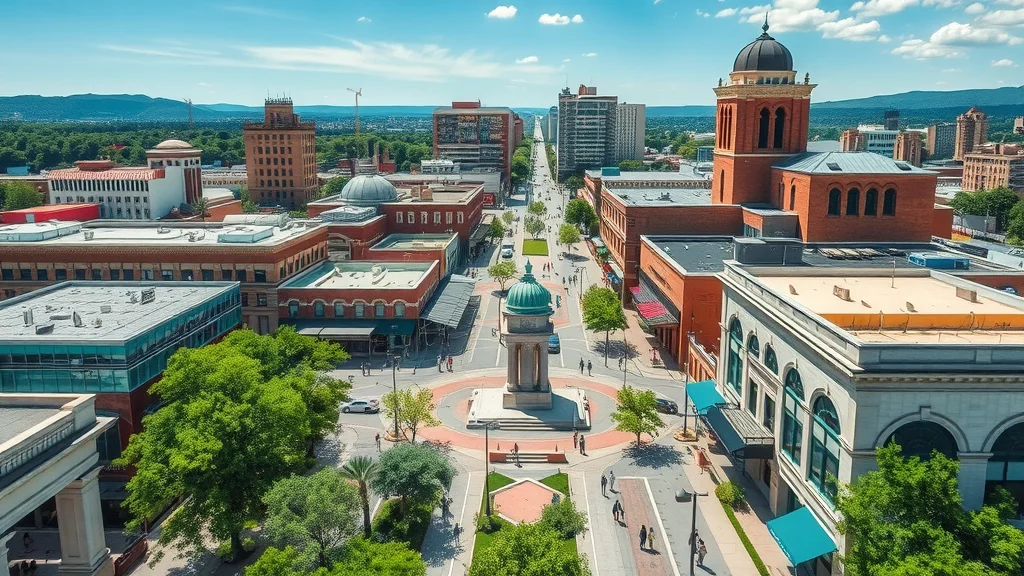
Vibrant aerial view of Tennessee Valley cityscape – modern and historic architecture, green spaces, city traffic, and people strolling downtown, highlighting tennessee valley cost of living trends

Understanding Tennessee Valley Cost of Living Trends

Defining the Cost of Living in Tennessee Valley

The cost of living in the Tennessee Valley refers to the average expenses residents incur for essentials such as housing, food, transportation, healthcare, utilities, and taxes. This region, known for its blend of metropolitan areas and scenic rural stretches like East Tennessee and the edges of the Smoky Mountains, sees significant variance in costs depending on location and lifestyle. Major cities including Huntsville, Chattanooga, and Murfreesboro often boast a living index lower than the national average. That said, with influxes of new residents and growing business sectors, especially technology and health care, price points for goods and services can shift quickly. Understanding these trends helps residents, potential newcomers, and businesses plan investments and make strategic decisions about where—and how—to live in Tennessee.

Measuring the tennessee valley cost of living trends involves tracking fluctuating real estate values, rental markets, consumer goods prices, and even local utility costs. According to recent census bureau data, differences in median home price and transportation cost can have a distinct impact on household budgets. Area-specific data from major cities, including the influence of regional employers like the University of Tennessee and a surge in remote workers, also plays a key role. By staying ahead of these numbers, readers can better understand the interplay of economic forces that affect their wallets and future plans.

Why Tennessee Valley Cost of Living Trends Matter for Residents and Businesses

Tracking the tennessee valley cost of living trends is critical for both individuals and organizations. For residents, these trends influence everything from mortgage affordability and monthly utility costs to access to quality health care and transportation options. For businesses, especially those considering relocation or expansion to this region, knowledge of living expenses, workforce salaries, and regional competitiveness in housing costs shapes planning and spending. Recent years saw a notable migration of businesses and remote work professionals to the Tennessee Valley, where the absence of a state income tax and competitive property tax rates become powerful draws. However, this growth puts pressure on infrastructure, public services, and the real estate market, making it crucial to monitor changes as they arise.

Local governments and economic development organizations are proactively responding. Investments in transit, upgrades to broadband, health care accessibility, and urban revitalization projects aim to maintain the Valley’s affordability and attractiveness. For anyone interested in making a move, launching a startup, or investing in real estate within tennessee cities, understanding these cost of living shifts provides the data-driven foundation needed for sound, forward-looking decisions.

Get a visual overview of how economic growth, business expansion, and workforce changes are influencing both pros and cons in the Tennessee Valley's cost of living. We'll detail how emerging trends are shaping what it costs to live, work, and invest in this vibrant region. [Video not embedded in this format – available at The Tennessee Valley Insider website]

How the Tennessee Valley Cost of Living Compares to the National Average

Infographic showing tennessee valley cost of living index compared to national average with digital charts and city cost data

Tennessee Valley Cost of Living Index: Regional Data vs. National Average

On average, the tennessee valley cost of living trends remain favorable compared to the national average. According to the most recent living index surveys, cities like Huntsville and Chattanooga routinely report total living expenses 5–10% below the national median. This difference stems primarily from lower housing costs, affordable utility rates, and the lack of a state income tax. However, the gap can shrink or widen depending on specific factors like rental demand, local health care developments, and property tax policy. For instance, while Johnson City and other parts of East Tennessee offer some of the lowest cost living in the region, rising population and expanded economic activity in metro areas can pressure prices upward. Comparing costs across different Tennessee cities helps sharpen the financial picture for prospective residents and businesses.

The Tennessee Valley’s cost advantage is reinforced by targeted investments in infrastructure and workforce development, which keep essentials like transportation and public utilities affordable even as the area grows. This competitive positioning attracts an increasing number of remote workers, retirees, and families seeking lifestyle value without big-city price tags. Factoring in median home prices and average transportation cost by city, the Valley emerges as a consistently budget-smart choice within the Southeastern United States.

Trends Across East Tennessee, Huntsville, and Birmingham

Distinct cost of living trends can be observed within the Valley’s key metro areas. East Tennessee, anchored by Knoxville and Johnson City, boasts a legacy of lower housing prices and proximity to the scenic Smoky Mountains. Rental rates in these zones are especially appealing to young professionals and retirees alike. Huntsville, known for its tech-driven economy, is experiencing rising demand for both downtown living and suburban homes—causing housing costs to tick up in select neighborhoods. Meanwhile, Birmingham sits just outside the Tennessee border, but as a close economic peer, it offers valuable context as a large metro area with a competitive living index and robust health care sector.

Each city’s unique mix of amenities, job growth, and public services creates distinctive price patterns. While rental markets are hotter in Chattanooga’s revitalized downtown and Murfreesboro’s bustling family communities, overall household expenses still generally trail nationwide benchmarks. This regional perspective is vital for anyone looking to pinpoint the most affordable or investment-friendly areas in the Valley.

Table: Tennessee Valley Cities vs. United States Cost of Living

City Cost of Living Index Median Home Price Average Rent (2BR) Property Tax Rate Typical Utility Costs
Huntsville, AL 93 $282,000 $1,150 0.38% $147/mo
Chattanooga, TN 91 $265,000 $1,050 0.56% $142/mo
Murfreesboro, TN 96 $345,000 $1,260 0.67% $152/mo
National Average 100 $412,000 $1,400 1.10% $188/mo

Major Factors Driving Tennessee Valley Cost of Living Trends

Urban development on Tennessee riverfront with new buildings and cranes representing economic development

Economic Development and Its Impact on Living Expenses

The Tennessee Valley’s continued economic upswing—spurred by expanding tech hubs, manufacturing centers, and logistics—has been instrumental in shaping current tennessee valley cost of living trends. Cities like Huntsville and Chattanooga have led the charge, drawing companies in industries from defense to automotive to software. With job opportunities on the rise, demand for housing, consumer services, and improved infrastructure has followed suit, nudging up living expenses for both new and existing residents. This blend of growth and affordability is a delicate balance: while wages and economic opportunities expand, careful monitoring of average home price, transportation cost, and sales tax ensures cost advantages are preserved for the broader population.

Importantly, this business-driven growth doesn’t just affect property values. It has ripple effects across the utility grid, public transportation, health care offerings, and education opportunities—including partnerships with major institutions like the University of Tennessee. As the Valley’s economy diversifies, the variety of job openings, lifestyle amenities, and overall living index will depend on how effectively public and private leaders manage this boom.

Population Growth and Housing Demand

Recent influxes of residents—spurred by favorable employment markets, lower median home prices, and tax-friendly policies—have heightened housing demand, leading in some cases to bidding wars even in suburban neighborhoods. Huntsville, for instance, regularly appears on lists of “best places to live in Tennessee,” thanks to its robust job market and relative affordability. Yet as more families, retirees, and remote workers seek homes, the supply-demand tension has triggered price increases in both buying and renting. Local initiatives to boost new home construction are underway, but the housing market remains competitive in key urban and suburban zones.

Population growth also shines a spotlight on quality-of-life factors that set the Tennessee Valley apart: well-regarded schools, clean neighborhoods, and abundant parks. These amenities support sustained demand, which may counterbalance downward trends in home prices seen elsewhere in the U.S. For newcomers, understanding which neighborhoods present the best blend of value and amenities is central to navigating evolving tennessee valley cost of living trends.

Suburban Tennessee Valley neighborhood with families enjoying outdoor spaces, illustrating housing demand and cost of living trends

Infrastructure, Utilities, and Transportation Cost

Practical living in the Tennessee Valley means more than just affordable housing: infrastructure and transportation costs shape household budgets, daily routines, and even business logistics. Fortunately, the Valley benefits from investments in roads, public transit, and utility upgrades, keeping average utility costs and transportation cost below national benchmarks in most cities. Major projects in cities like Chattanooga and Decatur link businesses and neighborhoods more efficiently, while reliable utility grids ensure predictable pricing for essentials like electricity and water.

That said, urban-suburban growth has brought new pressures: peak-time traffic congestion, school construction, and expanded broadband needs. Keeping these elements efficient and cost-accessible is essential for maintaining the Valley’s regional competitiveness. For families and businesses weighing a move to Tennessee, these infrastructure investments translate into time, money, and peace-of-mind benefits—and play directly into the cost of living equation.

Housing Costs in the Tennessee Valley: Real Estate, Rental, and Ownership Trends

Current Real Estate Market Dynamics in Living in Tennessee

The real estate landscape across the Tennessee Valley reflects the region’s broader themes of growth, migration, and affordability. Median home price remains lower than the national average in most cities, but the gap is narrowing as more families and professionals relocate. Key factors include a rush of remote workers, return-to-office job offers, and investors drawn by the area’s stable economic foundations. As a result, sellers are commanding higher prices, particularly in attractive neighborhoods with strong school districts and commuting access. In the Valley’s more rural or satellite towns, price pressure isn’t as pronounced—often providing a “best of both worlds” scenario for budget-conscious buyers who seek value without sacrificing quality of life.

Appreciation rates, while slowing slightly since the height of the pandemic real estate surge, still outpace much of the country. Property listings move quickly, with competitive offers becoming the norm for desirable homes. Prospective buyers and investors should closely watch local market data and city-by-city trends before making long-term commitments in this diverse region.

Modern home in Tennessee Valley with for sale sign and real estate agent, highlighting tennessee housing costs and real estate trends

Are House Prices Dropping in TN?

Housing markets across Tennessee experienced meteoric rises during the pandemic, but as of late 2023 and into 2024, price acceleration has moderated in many parts. While there was some speculation about nationwide home price drops, the vast majority of Tennessee Valley’s major cities—including Chattanooga, Huntsville, and Murfreesboro—saw prices stabilize or increase slightly. The balance between supply and demand, especially with continued job growth and population inflows, has kept average home prices at record highs, countering the rapid declines seen in overbuilt markets elsewhere.

So, are house prices dropping in TN? In the Tennessee Valley, dramatic drops are rare and usually limited to regions with excess inventory or waning demand

Answer: Analyzing Tennessee's Recent Housing Market Data

Data for early 2024 suggests that Tennessee Valley median home prices range from $260,000 to $350,000, depending on city and neighborhood. Urban hot spots like Murfreesboro have seen sharper gains, while smaller communities in East Tennessee maintain greater affordability. Factors such as higher mortgage interest rates and increased construction costs have definitely influenced buying power—but robust job creation, a healthy influx of remote workers, and favorable tax structures help maintain healthy real estate activity.

For current and prospective homeowners, expert advice is clear: Focus on neighborhood quality, school ratings, and potential for future price appreciation. Thoroughly compare data for listing-to-sale price ratios, days on market, and upcoming housing developments to make the best investment decision.

Rental Market Insights: Affordable Areas and Hot Spots

Rental prices throughout the Tennessee Valley present both challenges and opportunities, depending on location and amenity level. While average rents for a two-bedroom apartment sit well below the national median—most notably in Chattanooga and Decatur—select areas with strong school systems, walkability, and public transit see rents pushed upward by strong demand. Remote workers have contributed to heightened interest in high-amenity complexes, urban lofts, and newer suburban developments that blend convenience with community feel.

For budget-conscious tenants, the Valley offers wide choice: from revitalized city centers in Huntsville to suburban havens with parks and recreation in cities like Cleveland and Athens. Staying on top of local listings and tracking rent trends by neighborhood can reveal both long-term value and short-term rental deals.

Trendy Tennessee Valley urban apartment with young professionals relaxing, demonstrating affordable rental markets and attractive living in tennessee valley

Which City in Tennessee is the Cheapest Place to Live?

For those seeking the lowest cost of living in Tennessee, research consistently points to communities like Johnson City and cities in East Tennessee. These areas combine affordable housing, moderate utility costs, and access to everyday amenities, making them favorites for families, students, and retirees alike. Johnson City in particular stands out for its blend of small-town charm, university presence (via East Tennessee State University), and stable housing market. Additionally, rural pockets and smaller metro areas along the Tennessee River offer comparable savings, often with added benefit of outdoor recreation just minutes away.

Urban centers such as Chattanooga and Murfreesboro offer more job diversity and entertainment, but bargain-hunters should investigate communities just outside these cities. The best approach is to weigh desired lifestyle, commute tolerance, and access to services—while always querying new data on rent, home price, and living index before making a move.

Answer: Cost Breakdown by Region and Community

  • Johnson City: Consistently among the cheapest areas for housing, utilities, and property taxes.
  • Cleveland & Athens: Offer below-average rents and strong public school ratings for their size.
  • Decatur & Florence: Blend affordable home prices with low utility costs, ideal for families and retirees.
  • Murfreesboro & Chattanooga: Costlier for ownership, but moderate rental rates and abundant amenities bridge the gap.

Ultimately, researching current rental offers and cost indices—and keeping an eye on fast-growing neighborhoods—is key for locking in a cost of living advantage.

Learn from local real estate leaders about choosing the best Tennessee Valley neighborhoods for investment, the latest home price trends, and how the market is responding to remote work and business expansion. [Video not embedded in this format – available at The Tennessee Valley Insider website]

Other Key Elements of Tennessee Valley Cost of Living Trends

State Income Tax and Tax Advantages for Residents

Tennessee’s well-known state income tax advantage is a highlight for both individuals and business owners. As of 2021, the state completed a phase-out of the Hall income tax, meaning wages, salaries, and other earned income are no longer taxed at the state level. This bolsters both take-home pay and retirement income, especially compared to neighboring states with double-digit tax rates. Combined with moderate sales tax and competitive business tax policies, this fiscal advantage draws new residents, remote workers, and entrepreneurs, all keen to maximize earnings and control their living expenses.

Out-of-state newcomers often cite tax simplicity as a key motivator to live in Tennessee. However, Tennessee makes up for lost revenue through higher-than-average sales taxes and local option taxes, so it still pays to be diligent when evaluating overall tax scenario and cost savings.

Professional couple in Tennessee Valley reviewing state income tax advantages on digital calculator for cost of living

Property Tax and Utility Costs in Tennessee Valley

The Tennessee Valley offers some of the most attractive property tax rates in the nation, often under 0.70% of assessed value—far below the national average. Homeowners in Huntsville, Chattanooga, and Florence benefit from predictable, low-rate tax bills. Even with recent reappraisals in select communities, property taxes remain a strong selling point for would-be buyers relocating from states with much higher assessments.

Utility costs are another affordability highlight. Thanks to the Tennessee Valley Authority and efficient local distribution, monthly energy, water, and waste bills are routinely less than in most major cities. This reliability and affordability bolster the region's appeals for both full-time residents and businesses managing lean operational budgets.

Health Care Costs, Access, and Insurance

Access to quality health care is a growing focus in the Tennessee Valley. While overall costs track near the national median, regional health systems based in Chattanooga, Birmingham, and Knoxville offer a wide network of providers and competitive insurance rates. Residents of smaller communities sometimes pay more for specialty care or travel further for advanced procedures, but major hospitals continue to invest in outreach and telemedicine options to close these gaps.

In terms of insurance, Tennesseans benefit from a broad mix of employer-provided, individual, and Affordable Care Act plans, though it pays to shop aggressively for the best value, especially when moving from out of state.

Transportation and Commuting Expenses

Transportation cost in the Tennessee Valley remains relatively low, bolstered by moderate commute times, accessible public transit in urban centers, and manageable parking fees. While cities like Huntsville and Chattanooga are investing in bus upgrades and ridesharing platforms, rural and suburban areas keep costs down with efficient highway access and low gas prices compared to the national average.

Commuting patterns have evolved since the pandemic, with a significant percentage of the workforce embracing hybrid or fully remote models, trimming transportation costs and freeing up disposable income for other expenses.

Commuters boarding a modern city bus, demonstrating efficient public transit as part of tennessee valley cost of living trends

Impact of Remote Work and Remote Workers on Costs in Tennessee

The surge in remote work has left an indelible mark on costs in Tennessee, especially in the housing and rental sectors. Professionals relocating from pricier markets have increased demand for high-amenity rentals and new home builds—fueling higher prices in select neighborhoods but also spurring development. For long-time residents, remote work’s impact on local spending (from coffee shops to home services) signals new economic diversity and fresh business opportunities.

With many companies and individuals choosing to move to Tennessee for the cost and lifestyle benefit, the region’s planners are eyeing further infrastructure investments to accommodate increased digital and physical connectivity. The growing community of remote workers is thus both a driver and a beneficiary of ongoing cost of living advantages in the Valley.

Income, Salaries, and Living Comfortably in Tennessee Valley

Median Household Income and Job Market Trends

Median household income across the Tennessee Valley is on a steady climb, supported by robust job growth in technology, advanced manufacturing, education, and health care. According to recent census bureau and Department of Labor data, household incomes for cities like Huntsville, Chattanooga, and Murfreesboro now exceed state averages, even as living costs trend lower than the national average. The influx of major employers, university spinouts, and continued demand for skilled workers has fostered a climate in which new arrivals have options—and leverage—when it comes to salary negotiation and long-term career planning.

Job markets are especially favorable in urban core areas, but smaller communities benefit from commuter and teleworker inflows, dual-income households, and entrepreneurial activity. For families evaluating a relocation, knowing that wage growth outpaces most cost increases is a powerful motivator.

Confident Tennessee Valley professional working on laptop, reflecting local job market trends and quality of life

What Salary Do You Need to Live Comfortably in Tennessee?

For many, the question is simple: What salary is required to live in Tennessee with comfort and security? Estimates vary, but most analysts suggest a household income of $55,000–$65,000 allows a family of four to maintain a comfortable, medium-cost lifestyle in most Tennessee Valley cities

This calculation assumes average housing costs, typical transportation cost, and modest discretionary spending, but can swing higher based on personal preferences, family size, or pursuit of luxury amenities. The absence of state income tax substantially eases this burden—and is a frequent selling point when comparing the Valley to peer metro areas across the Southeast.

Answer: Income Requirements and Cost of Living by City

  • In Chattanooga, families report comfort with household incomes in the low $60,000s, thanks to moderate home prices and low property taxes.
  • Huntsville’s tech-driven wage growth raises the bar: most families enjoy sizable value at $68,000 annually.
  • Murfreesboro, with slightly higher housing costs, results in household benchmarks near $70,000 for comparable comfort.
  • In smaller cities (e.g., Athens, Decatur), comfortable lifestyles are accessible with household incomes as low as $50,000.

Consider health care access, school quality, and commuting distances when finalizing relocation or salary negotiations.

Discover how evolving workforce trends and industry growth are shaping both salary expectations and quality of life for Tennesseans in 2024. [Video not embedded in this format – available at The Tennessee Valley Insider website]

Comparing Tennessee Valley Cost of Living Trends Across Cities

Huntsville, Chattanooga, Murfreesboro: Key Cost Differences

Within the Tennessee Valley, local context matters—especially when comparing the cost of living in major cities. Huntsville consistently ranks as a top-salary, moderate-cost metro thanks to the intersection of defense, aerospace, and information technology. Chattanooga, with its revitalized riverfront and growing health care and logistics sectors, offers competitive rents and lower home price averages. Murfreesboro strikes a unique balance: it boasts rapid population growth, access to Middle Tennessee State University, and a family-friendly vibe, but with slightly elevated housing costs.

Other influential factors include variation in utility costs, transportation infrastructure investments, access to public amenities, and evolving rental market dynamics. Whether moving for work or seeking investment opportunities, comparing these cities side by side illuminates the strengths, weaknesses, and “fit” for individual needs and budgets.

Panorama of Huntsville, Chattanooga, and Murfreesboro downtowns with residents out and about, showing key local cost of living differences

Lists: Most and Least Affordable Cities in the Tennessee Valley

  • Most Affordable: Johnson City, Decatur, Florence
  • Moderately Affordable: Chattanooga, Cleveland, Athens
  • Less Affordable (but high amenities): Murfreesboro, Huntsville, Gadsden

Families and investors are advised to reference updated cost indices and check local property tax rates for the most effective budget fit.

Table: Summary of Living Expenses by Major Tennessee Valley City

City Average Home Price Median Rent (2BR) Median Household Income Health Care Cost Index
Huntsville $282,000 $1,150 $65,800 95
Chattanooga $265,000 $1,050 $60,500 97
Murfreesboro $345,000 $1,260 $70,600 94
Johnson City $202,000 $820 $52,000 100

Is Tennessee Getting More Expensive? Analyzing the Latest Trends

Regional Price Increases and Economic Pressures

Data from 2023 and early 2024 indicates incremental rises in living expenses across the Tennessee Valley. Inflation, higher construction material costs, and expanded amenities in popular neighborhoods have contributed to upward pressure—most apparent in housing and daily consumer purchases. Still, the scale of these increases is moderate in contrast to major U.S. metro areas.

While Nashville and Memphis faced sharper jumps, markets in the Valley have largely maintained their competitive edge through rapid local development, streamlined city services, and price-sensitive new construction. Residents are encouraged to watch for micro-trends, especially in fast-growing suburban corridors and redeveloping downtowns, as these can produce localized cost spikes.

Family in Tennessee concerned about higher grocery bills, reflecting regional cost increases and lifestyle pricing trends

Answer: Data on Inflation, Housing, and Lifestyle Costs

Despite headlines about rising inflation, the Tennessee Valley’s inflation rate has hovered only slightly above historic norms—between 3–4% depending on sector. Increases are most pronounced in food, utilities, and select housing markets but are often offset by wage growth and no state income tax. For those tracking long-term affordability, the interplay among regional economic growth, business expansion, and proactive city management are keeping the Valley a step ahead of national price escalation.

In summary, is Tennessee getting more expensive? Slightly—but with proper planning, cost advantages will remain robust well into the future

Quotes and Expert Insights on Tennessee Valley Cost of Living

"Rapid business growth is reshaping cost of living expectations throughout the Tennessee Valley, especially as infrastructure and workforce development accelerate." — Local Economic Analyst

Frequently Asked Questions About Tennessee Valley Cost of Living Trends

  • Are house prices dropping in TN?
    Currently, most cities in the Tennessee Valley are seeing stable or modestly rising house prices due to strong demand, job growth, and limited housing inventory. Only select areas with excess supply have reported slight declines, and those are typically minor compared to the national trend.
  • What salary do you need to live comfortably in Tennessee?
    Most families can live comfortably on $55,000–70,000 depending on city, homeownership status, and expected amenities. Singles or couples in lower-cost cities can maintain a solid standard of living for $35,000–45,000.
  • What city in Tennessee is the cheapest place to live?
    Johnson City, Decatur, and Athens are among the most affordable, especially for renters and first-time buyers. These communities offer competitive housing prices, reasonable utility costs, and lower property taxes than larger urban neighbors.
  • Is Tennessee getting more expensive?
    While costs have risen slightly—mainly in housing and day-to-day consumer spending—the Tennessee Valley overall remains below national averages and continues to attract new residents looking for value and opportunity.

Key Takeaways: Tennessee Valley Cost of Living Trends for Relocation and Investment

  • Tennessee Valley cost of living trends remain competitive but are influenced by rapid growth.
  • Housing affordability varies significantly by city and neighborhood.
  • Business expansion, infrastructure upgrades, and workforce shifts are major drivers.
  • Regional tax advantages are drawing remote workers and new residents.
  • Savvy relocation and investment decisions require up-to-date, local data.

Explore Tennessee Valley Business and Lifestyle—Stay Connected With Our Expert Analysis

Stay tuned to The Tennessee Valley Insider for ongoing, regionally grounded coverage of business growth, real estate, job trends, and local lifestyles. Subscribe to our newsletter or follow us on social media for real-time updates and must-know insights that help you make informed decisions about living in Tennessee Valley.


Market Insights

0 Comments

Write A Comment

*
*
Related Posts All Posts
01.23.2026

Why Chattanooga Rental Demand Is Surging in 2024

Did you know that Chattanooga’s rental occupancy hit a seven-year high in early 2024—outpacing both Nashville and Huntsville’s growth rates? This surprising surge has positioned Chattanooga as one of the Southeast’s real estate hotspots A Surprising Shift: Understanding Chattanooga Rental Demand Chattanooga’s rental market has always charted an independent path in the Tennessee Valley—neither as costly as Nashville nor as overlooked as smaller cities like Red Bank. But 2024 stands out: chattanooga rental demand is at a record pace, driven by an integrated set of economic and social factors unique to the city. This year, the combination of sustained job growth, major business investments, and Chattanooga’s reputation for both lifestyle amenities and affordable rent has created a resilient ecosystem for renters and landlords alike. Local experts—including economists studying the market trend—stress that Chattanooga’s rental boom isn’t a fleeting reaction to national events, but a product of steady, regionally grounded development. The story of this surge isn’t about speculative interest from afar; it’s grounded in relative housing affordability, a diverse influx of residents, and a steady stream of college graduates entering the workforce. Unlike in the past year when other mid-size cities saw pronounced volatility in rental prices, Chattanooga’s data shows slow, upward movement in occupancy and price—especially notable in neighborhoods in downtown Chattanooga and near the Walnut Street Bridge. Across the board, rental properties are leasing quickly, often with multiple applicants. All signs point to a durable shift—a transformation of Chattanooga from “hidden gem” to a market leader among Southeastern cities. What You'll Learn in This Guide About Chattanooga Rental Demand The root factors behind Chattanooga’s rising rental market How average rent and rental prices are evolving in Chattanooga What current market trends mean for investors, renters, and property managers Key neighborhoods in Chattanooga shaping the rental landscape Frequently asked questions and reliable answers regarding Chattanooga rental demand The Big Picture: Chattanooga’s 2024 Rental Market Trend “Chattanooga is emerging as one of the region’s most resilient rental markets, buoyed by a dynamic local economy.” — Tennessee Valley real estate analyst In 2024, Chattanooga’s rental market is undergoing a structural transformation, setting new standards for resilience and adaptability among Tennessee Valley cities. This shift is being guided by three fundamental drivers: Regional economic data: Chattanooga continues to see consistent GDP growth and increased business formation, both of which contribute directly to sustained chattanooga rental demand and a steady increase in the number of people seeking rental properties. Job market developments: Recent expansions in logistics, manufacturing, and technology have led to significant workforce in-migration. This, in turn, impacts both short-term and long-term rental segments, stabilizing average rent even as new supply is delivered (as noted by coverage in the Times Free Press and regional business journals). Demographic shifts: Younger professionals, seasoned families, and even remote workers are fueling housing demand at multiple price points. Unlike other Tennessee Valley markets that have seen volatile swings, Chattanooga’s demographic diversity acts as a buffer—maintaining high occupancy and a healthy rental price index across most neighborhoods. These factors collectively explain why Chattanooga’s rental market is generally outperforming peer markets nearby, including Huntsville and Birmingham. The integration of economic, employment, and population trends points toward a sustainable and competitive real estate landscape for all stakeholders. Year-over-Year Rental Rate and Occupancy Changes—Q2 2023 vs. Q2 2024 City Rental Rate Change (%) Occupancy Change (%) Chattanooga +7.4% +2.3% Huntsville +6.1% +1.5% Nashville +5.8% +1.1% Birmingham +4.3% +0.8% Breaking Down Demand: Who Is Fueling Chattanooga Rental Demand? The current chattanooga rental demand surge can be traced back to several distinct groups, each bringing unique needs and expectations to the city’s rental market. A nuanced understanding of these groups not only helps landlords and property managers target listings more effectively—it also gives renters insight into how the evolving market may impact rental availability and price. In-migration and remote workers: Chattanooga has emerged as a magnet for professionals able to work from anywhere, thanks to local investments in gigabit internet and business-friendly infrastructure. Many are looking for short-term rentals to “test-drive” the city, which puts direct upward pressure on rental prices and average rent. Local college graduates and young professionals: Graduates from UTC and Chattanooga State are electing to stay close after finishing their studies, drawn by new employers, vibrant downtown communities, and life-balance amenities—all of which intensify chattanooga rental demand. Established families: Whether relocating within the region or arriving from out-of-state, families are fueling demand for both short-term and long-term rentals in desirable, school-adjacent neighborhoods like Lookout Mountain and North Shore. Each of these population segments has a measurable impact on occupancy—raising the bar in terms of tenant screening, rental stability, and property management best practices as the market continues heating up compared to the previous year. Average Rent in Chattanooga: What Renters and Investors Should Expect The current data on average rent in Chattanooga reveals competitive pricing by both regional and national standards. In the past year, average rent in key neighborhoods has risen, but remains lower than the national average and more affordable than in downtown cores of Nashville or Atlanta. For investors, this means a balanced risk profile: Chattanooga offers stable rent price appreciation without the rollercoaster volatility seen in larger metros. For renters, the variety of available housing—from single-family homes in Red Bank to apartments in St. Elmo—continues to meet demand across multiple demographics. The rental price differentials between popular neighborhoods in Chattanooga are clear: Southside and North Shore maintain above-average appreciation thanks to lifestyle, walkability, and proximity to tech employers, whereas Hill City and Red Bank offer competitive entry points for both renters and would-be landlords. According to economist Howard Wall, Chattanooga’s rental market provides valuable insulation from the outsized spikes reported in other so-called “growth” markets. Pricing growth since 2022 has been measured—steady enough to interest investors, yet offering reliability for long-term residents. Table: Current Average Rent in Chattanooga by Neighborhood ZIP Code (2022–2024) Neighborhood / ZIP Code Avg. Rent (2022) Avg. Rent (2023) Avg. Rent (2024) Downtown/37402 $1,310 $1,370 $1,480 North Shore/37405 $1,220 $1,295 $1,410 St. Elmo/37409 $1,040 $1,110 $1,225 Red Bank/37415 $1,030 $1,095 $1,160 Southside/37408 $1,390 $1,435 $1,520 Neighborhoods in Chattanooga Leading the Rental Market Surge When it comes to neighborhoods in Chattanooga, several stand out as drivers of Chattanooga’s rental market surge. These locations balance quality of life, convenience, access to employment centers, and vibrant community appeal: Southside: Once an industrial corridor, now a live-work-play favorite for young professionals and artists. Home price appreciation and rental prices have both increased as new construction and amenities transform the area. North Shore: Known for its lively shops and green spaces along the Tennessee River, North Shore attracts both new arrivals and long-time locals, maintaining occupancy that frequently exceeds city averages. St. Elmo: Blending historic charm with mountain views, St. Elmo is increasingly a destination for families seeking rental homes with quick access to schools and parks while still paying below the national average. Lookout Mountain: For those interested in short-term rental demand and luxury living, this neighborhood offers panoramic vistas, larger homes, and a steady stream of vacationers blending with full-time residents. Growth in these neighborhoods is a direct reflection of their local amenities, walkability, and accessibility. Property management teams and landlords in these areas emphasize flexible leasing, competitive rent pricing, and proactive tenant screening to maintain occupancy and attract quality tenants. Short-Term and Long-Term Rental Market Trends in Chattanooga Chattanooga’s growth isn’t limited to traditional 12-month leases. Both short-term rental and long-term segments are evolving, each shaping the rental market differently. In the past year, new licensing requirements have impacted the short-term market—particularly for Airbnb-style listings—which has, in turn, nudged some supply back toward long-term rentals as local regulations become stricter. Short-term rental licensing updates: Regulations rolled out since 2023 have increased scrutiny of term rental operators, requiring up-to-date permitting and adherence to stricter occupancy limits in popular tourist neighborhoods in Chattanooga. Impact on rent in Chattanooga: More restrictive short-term policy has helped ease upward pressure on long-term rent prices, even as the city remains a consistent favorite for digital nomads, traveling professionals, and vacationers. Popularity with tourists and remote workers: Chattanooga continues to attract diverse tenant demographics, enhancing both short-term and long-term rental demand while ensuring average rent growth remains steady and balanced. The dynamic between short-term and long-term rentals reflects Chattanooga’s versatility as a city. While short-term supply serves the tourism and corporate relocation markets, long-term leases offer investors a dependable yield in a city where job growth and population stability keep occupancy high. Economic Drivers: How Business Development Shapes Chattanooga Rental Demand “The growing presence of technology and logistics employers continues to reshape the local housing market.” — Regional economic development board member Economic vitality remains the foundation of Chattanooga’s current rental surge. The last 24 months have seen headline-grabbing corporate relocations and major employer expansions, as companies from logistics, technology, and healthcare sectors anchor themselves in the region. These events have intensified chattanooga rental demand and drawn a more diverse workforce to the city’s core neighborhoods and emerging suburbs. Corporate relocations to Chattanooga: Distribution and tech companies are choosing Chattanooga for its transportation access and robust talent pool. The resulting influx of new hires has a direct and immediate impact on both short-term and long-term rental demand. Major employer expansions: Expansion by hospitals, universities, and logistics firms is increasing the flexibility and variety of rental offerings, leading to improved occupancy across a wide range of property types—from apartments in Chattanooga’s city center to detached homes along the city’s periphery. Infrastructure improvements: Recent enhancements to transportation, broadband, and city services make Chattanooga more attractive to both individuals and businesses, raising its profile relative to other Tennessee Valley locations and bolstering rental market activity. Why Property Management and Tenant Screening Matter in a Tight Rental Market As chattanooga rental demand becomes more competitive, the importance of robust property management and diligent tenant screening reaches new heights. Property managers in the region report that the influx of new residents—ranging from young professionals to relocating families—makes rigorous tenant screening essential for stability and investment protection. Tenant screening best practices: Background and credit checks, rental history analysis, and clear lease policies are standard to minimize risk for landlords and maintain trust among tenants. The role of local property managers: Experienced property managers in Chattanooga act as a bridge between owners and tenants, resolving disputes, coordinating repairs, and ensuring lease compliance for all parties. Their efforts have a stabilizing effect on rental market volatility. Enhancing market stability: Proactive management—combined with fair and transparent rental price adjustments—keeps properties occupied and residents satisfied, solidifying Chattanooga’s reputation as a dependable rental market even during periods of economic uncertainty. Panel video interview with three local Chattanooga property managers and one real estate investor, discussing rental market trends, tenant demographics, and successful management practices in a modern office or video studio. Comparative Perspective: Chattanooga Rental Demand vs. Other Tennessee Valley Cities A comparative look helps clarify why chattanooga rental demand now stands out in the region. The following table traces both rental demand and vacancy rates for Chattanooga, Huntsville, Nashville, and Birmingham over the first half of 2024. The results reinforce Chattanooga's rising position within the Tennessee Valley real estate landscape. Rental Demand and Vacancy Rates by City (Q1-Q2 2024) City Rental Demand (Index, Q2 2024) Vacancy Rate (%) Chattanooga 109.2 4.5% Huntsville 105.7 5.6% Nashville 104.9 6.1% Birmingham 103.1 6.8% Video exploration highlighting the unique features and amenities of top Chattanooga neighborhoods such as Southside, North Shore, St. Elmo, and Lookout Mountain, with interviews from new tenants on their reasons for choosing these areas. People Also Ask: Your Chattanooga Rental Demand Questions Answered Is Chattanooga a good Airbnb market? Chattanooga remains an attractive market for Airbnb and other short-term rental platforms, but stricter licensing requirements mean that only fully compliant operators can maximize returns. The city’s consistent flow of tourists and business travelers supports a healthy short-term rental sector. However, property owners must be mindful of evolving regulations and competitive pricing to ensure sustainable occupancy and adherence to local rules. Is Chattanooga a good place to invest in real estate? Chattanooga’s balanced growth, competitive average rent, and moderate home price appreciation make it a prime location for real estate investment compared to other Tennessee Valley cities. The area’s economic momentum, diverse tenant base, and strong property management infrastructure support steady rental income and long-term asset value. Are rentals still in high demand? Yes, rentals are in high demand across Chattanooga, with a diverse population of remote workers, new graduates, established families, and professionals seeking both short-term and long-term leases. Demand remains particularly strong in neighborhoods close to employment centers and lifestyle amenities, with rental properties leasing quickly in most areas. How is the housing market in Chattanooga, TN? Chattanooga’s housing market has shown resilience with moderate increases in both rent prices and home values over the past year. Steady population growth, ongoing economic development, and infrastructure investments have contributed to a stable and competitive rental market environment for both renters and investors. FAQs: Chattanooga Rental Demand and the Local Rental Market What are the main risks for new landlords in Chattanooga? New landlords should be aware of evolving local regulations, the importance of comprehensive tenant screening, and the need to adapt to both short-term and long-term rental market fluctuations. How often do rental prices fluctuate in this region? Rental prices in Chattanooga change moderately year-over-year, often in step with economic cycles and shifts in local supply around growing neighborhoods in Chattanooga. Are there any incentives for long-term tenancy agreements? Many property managers offer incentives such as discounted deposit rates, small rent reductions, or flexible lease terms to encourage long-term tenancies, especially in neighborhoods outside the urban core. What roles do local property managers play? Local property managers are integral to maintaining rental stability, enforcing tenant screening standards, and supporting both landlords and renters throughout the lease process. Key Takeaways: What to Know About Chattanooga Rental Demand in 2024 Chattanooga rental demand is experiencing robust, multi-year growth driven by migration, economic development, and lifestyle factors. Average rent and rental prices remain highly competitive with peer Tennessee Valley cities. Short-term and long-term rental trends reveal different drivers and investment opportunities. Property management and tenant screening grow more essential as the market tightens. Learn More About Chattanooga Real Estate & Stay Informed Stay connected with The Tennessee Valley Insider for the latest data, market trends, and actionable insights on Chattanooga rental demand and real estate opportunities across the region.

01.23.2026

Unlock Huntsville Rental Market Trends for Smart Moves

Did you know that the vacancy rate in Huntsville has shifted 30% in the last decade—outpacing most Southern cities? The story behind this change explains more than just numbers Setting the Stage: Huntsville’s Rental Market Trends Revealed The Huntsville rental market is capturing attention for its remarkable transformation over the past decade. As one of the fastest-growing urban centers in the Tennessee Valley, Huntsville’s unique combination of job growth, infrastructure investments, and community development has put its real estate market on the regional map. Housing demand remains high, while construction of new apartment units and the emergence of revitalized neighborhoods continue to alter local rent prices and investment appeal across the city. Understanding Huntsville rental market trends is now essential for residents, future transplants, and anyone looking to invest in real estate in Alabama. At the heart of this story sits a dramatic shift in the vacancy rate, coupled with distinct supply and demand factors influencing rent prices. In recent years, Huntsville’s population growth has contributed to increasing competition for both single-family homes and apartments, directly impacting al rent and overall affordability. This article will equip you to spot key patterns, compare neighborhoods in Huntsville, and learn how local economics shape both rental price trends and investment opportunities. By examining the data and understanding what drives these market cycles, you can confidently make your next move in North Alabama real estate. "Did you know that the vacancy rate in Huntsville has shifted 30% in the last decade—outpacing most Southern cities? The story behind this change explains more than just numbers." Essential huntsville rental market trends for residents and investors How supply and demand are shifting rental prices in Huntsville, AL The economic growth factors influencing real estate and rent prices Strategies for making informed rental and investment moves in North Alabama Modern Huntsville cityscape pulses with energy as young professionals explore vibrant downtown neighborhoods. Understanding Huntsville Rental Market Trends: The Current Landscape Today’s Huntsville rental market trends reflect the complex interplay of robust job creation, new housing construction, and a population that is both growing and diversifying. Major industries—especially in technology, engineering, and defense—have fueled Huntsville’s economic expansion. This has drawn a steady stream of new residents looking for both rental and homeownership options. As a result, rental inventory is being reshaped in real time, with rental price fluctuations seen not just in the city core but throughout the metro area. For both long-time locals and newcomers, knowing how al real estate conditions adjust can help identify value and avoid risks. Rental rates in Huntsville have generally followed a pattern seen in other rapidly growing Southern metros—rising steadily as demand outpaces supply, especially in revitalized neighborhoods near job centers. Al rent and average rent in Huntsville now closely track employment hubs, with popular areas like West Huntsville and downtown Huntsville frequently leading in both occupancy and price growth. It’s important to look beyond year-over-year averages and understand the unique forces affecting the supply, demand, and vacancy rate for each neighborhood. These details, when monitored, provide a strong foundation for smarter renting and investment decisions in the region. How Are Huntsville Rental Market Trends Shaped by Local Economic Growth? Local economic growth is the powerhouse driving huntsville rental market trends. Over the past several years, Huntsville has attracted world-class employers—including NASA, the U.S. Army’s Redstone Arsenal, and emerging tech companies—resulting in increased job opportunities across the metro area. This employment growth, combined with industries such as the space industry and advanced manufacturing, has directly contributed to a surge in new apartment in Huntsville developments and a steady rise in demand for sq ft in modern rental homes. Real estate professionals across North Alabama agree: without the influx of specialized workers and students, current housing market dynamics would look entirely different. Economic expansion has also spurred large-scale infrastructure projects and new commercial real estate developments, both of which boost the city’s attractiveness. Such growth encourages both national and local investors to consider al real estate and commercial real opportunities. For renters, more job options often mean higher mobility and willingness to pay for updated, conveniently located rentals. This cycle—new jobs encouraging new residences—forms the core engine behind why average rent and rent prices in Huntsville have remained competitive compared to the national average, while sustaining healthy occupancy rates even as the city booms. Primary Factors Impacting the Huntsville Rental Market: Supply, Demand, and Vacancy Rate The trajectory of huntsville rental market trends hinges on the always-shifting balance between supply and demand. Strong population growth, coupled with a limited supply of available units in the most desirable neighborhoods in Huntsville, has kept vacancy rates relatively low and rent in Huntsville on an upward trajectory. Construction of new apartment units has attempted to keep pace, but lagging delivery times and the focused nature of new development often mean only selective relief in certain areas. For instance, while central neighborhoods like downtown Huntsville and West Huntsville see aggressive building, other affordable neighborhoods still face limited housing options and longer waiting lists. Another key factor is the changing composition of households. Smaller household sizes and greater demand for amenity-rich apartments—especially among young professionals and new arrivals—reshape how inventory is absorbed and priced. Vacancy rates are important markers for investors: when they drop too low, it sparks higher rent growth; when they spike, it can spell opportunity or over-supply, depending on the local job market. The interplay between supply and demand will continue to drive rent price direction and determine long-term investment values across the city and its suburbs. Recent Statistics for Huntsville Rental Market Trends: Vacancy Rate, Average Rent, and Inventory (2019-2024) Year Vacancy Rate Average Rent Total Inventory (Units) 2019 5.5% $895 33,200 2020 6.8% $940 35,100 2021 5.2% $1,030 36,400 2022 5.9% $1,140 37,500 2023 6.7% $1,230 39,700 2024 7.0% $1,295 41,200 New apartment complexes in Huntsville offer modern amenities and increase housing choices for residents. Tracking the Average Rent: Key Insights for Huntsville The concept of “average rent in Huntsville” takes on new meaning as the city’s diverse neighborhoods showcase varying rates of growth and affordability. With rent prices typically lower than the national average yet steadily climbing thanks to sustained demand, many potential residents and investors are rethinking their options. It’s no longer enough to review generic average rent figures; understanding the nuances between different neighborhoods in Huntsville reveals the best opportunities for securing a rental or making a strategic real estate investment. Current trends show that revitalized and centrally located areas—like downtown Huntsville, Research Park, and Madison—command the highest rent in Huntsville, fueled by proximity to employers and upgraded amenities. In contrast, affordable neighborhoods such as Five Points and South Huntsville provide value without sacrificing access to city conveniences. Being able to compare not just listing prices, but also vacancy rates and local amenities, puts renters and investors in the driver’s seat to maximize returns or savings in this evolving market. How Does the Average Rent in Huntsville Compare by Neighborhood? Spotlighting individual neighborhoods in Huntsville provides a more accurate and useful view of average rent for both renters and landlords. In the bustling heart of downtown Huntsville, apartments feature modern finishes, central locations, and are typically priced among the city’s highest—a reflection of both high demand and limited inventory. Meanwhile, areas like Madison and Research Park offer a blend of suburban space and easy commutes, creating a sweet spot for professionals and families seeking balance between affordability and lifestyle. On the other end of the spectrum, affordable neighborhoods such as Five Points, South Huntsville, and the University Drive corridor continue to be favorites for students, budget-focused renters, and those looking for established communities. The rent growth in these areas is generally less volatile than in high-demand sectors, but as infrastructure and job access improve, upward movement in average rent is still notable. Savvy renters and landlords watch for discrepancies in rent price growth, vacancy rate dips, and comparative amenities to secure long-term value in any Huntsville rental market cycle. Rent Price Patterns: From Downtown to Suburbs The result? A healthy spread of options, where rent prices track closely with proximity to employment, school, and transit hubs but remain more affordable than in many similarly sized metros nationwide It’s also important to recognize the impact of new construction on rent growth in different neighborhoods. Modern apartment units in Research Park and Madison attract upwardly mobile professionals, with amenities that justify higher rent in Huntsville when compared with aging inventory elsewhere. Historic areas such as Lowe Mill benefit from consistent demand and loyal residents, keeping average rent in check while offering unique, community-driven environments. By watching for shifts in infrastructure, new business openings, and large employer relocations, renters and investors can anticipate how neighborhood rent price patterns will shift over time. Five Points South Huntsville Madison University Drive Research Park Comparison Table: Average Rent in Huntsville (Top Neighborhoods) Neighborhood Average Rent (2024) Downtown Huntsville $1,680 Madison $1,390 Five Points $1,125 South Huntsville $1,050 University Drive $1,150 Research Park $1,335 Charming neighborhoods in Huntsville offer family-friendly living and affordable rent options just minutes from downtown. Decoding Vacancy Rate: What Does It Mean for the Huntsville Rental Market? Vacancy rate is a key metric that offers real-time insight into the balance of supply and demand across Huntsville’s rental market. When vacancy rates are low, available apartment units become scarce, driving up the average rent and giving landlords stronger negotiating power. Conversely, when vacancy rates rise, renters gain leverage with more choices and steadier rent prices. Over the past 10 years, vacancy rate shifts have provided early warning of both overheating and cooling cycles in the metro area’s rental landscape. In Huntsville, the average vacancy rate has generally hovered below the national average, thanks to steady population growth, robust employment, and targeted apartment construction. However, as new developments come online—especially in fast-growing neighborhoods in Huntsville—short-term spikes in vacancy rate can indicate either opportunities for renters to negotiate or caution for landlords and investors. By understanding what drives these changes and how quickly the market absorbs new supply, both rental seekers and property owners can prepare for upcoming market cycles and price adjustments. Understanding the Vacancy Rate in Huntsville AL Over Time Tracking the vacancy rate in Huntsville AL over several years showcases the city’s adaptability. Even as major employers bring thousands of jobs to the region, developers must time new apartment delivery to match demand. Historical data from industry sources such as the Yardi Matrix and regional housing reports reflect this push and pull. For example, vacancy rates dipped below 5% during periods of surging relocation activity, only to rise slightly as new housing inventory became available. Most recently, the metric has settled at approximately 7% in 2024, reflecting a relatively healthy turnover without significant oversupply. Investors and rental property owners rely on vacancy rate trends as a barometer for pricing power and strategic growth. Persistent drops in vacancy rate can prompt new construction and higher rent prices, while sudden increases may warn of overbuilding in certain submarkets. Ultimately, the ability to interpret this data in the context of employment news, population shifts, and neighborhood-level changes is what defines success for those navigating Huntsville rental market trends today. "Vacancy rate trends can signal both opportunity and caution for real estate investors in Huntsville's evolving rental market." — Regional Realtor Analyzing vacancy rates and housing data is crucial for making sound investment decisions in Huntsville’s real estate market. Huntsville’s Real Estate Investment Outlook: Why Market Trends Matter For those considering adding to their portfolio, the Huntsville rental market offers a compelling case for long-term investment. Rising economic opportunity and substantial population growth paint a favorable picture for both single-family and multifamily investors. In a metro area where average rent in Huntsville continues to trend upward—especially near job centers and revitalized corridors—the ability to interpret market cycles and vacancy data confers a clear advantage. However, success in this space hinges on analyzing not just appreciation potential but also risk factors such as short-term oversupply, regulatory policies, and neighborhood-specific amenities. The strength of the local economy—bolstered by the presence of major employers, consistent workforce inflows, and a booming tech industry—ensures that huntsville rental market trends rarely move in isolation. Investors compare not just the absolute return but also Huntsville’s performance relative to other Alabama metro area markets. Data shows that Huntsville consistently delivers lower-than-the-national average vacancy rates and competitive rent growth, often outperforming Birmingham, Mobile, and Montgomery in key real estate metrics. These advantages, paired with thoughtful local planning and a strong quality-of-life reputation, solidify its position as a prime destination for real estate investment in Alabama. Is Huntsville, AL a Good Place to Invest in Real Estate? By most regional measures, Huntsville, AL stands out as a strong market for real estate investment. Job creation, steady housing demand, and diversified industries ensure resilient occupancy and competitive returns across rental property types. For investors monitoring housing market trends, the city offers a rare mix of affordability and rent growth, plus consistently strong absorption rates for new apartment units. Importantly, as the tech and space industry sectors expand, steady in-migration is expected to fuel future rental demand—even as new construction adds to total inventory. Whether your focus is long-term residential leasing or short-term rental strategies, the local market’s fundamentals create a stable environment for both cash-flow-minded and appreciation-seeking investors. However, investors must also heed neighborhood-level trends, as pockets of overbuilding may temporarily increase vacancy rate and dampen near-term gains. Property managers who adapt quickly and leverage data-driven analytics generally fare best—allocating resources, amenities, and rent strategies based on real-time changes. Staying informed about the forces driving average rent in Huntsville, comparing against state and national averages, and aligning with local economic forecasts are all essential practices when investing in the region’s real estate market. Investment Performance Indicators: Huntsville vs. Other Alabama Markets Market Average Vacancy Rate Average Rent (2024) Rent Growth (Year-Over-Year) Huntsville 7.0% $1,295 +5.5% Birmingham 8.8% $1,180 +4.3% Mobile 8.3% $1,070 +3.2% Montgomery 9.5% $1,025 +2.8% Rental Market Supply and Demand: Forces Shaping Huntsville Rent Prices In Huntsville, supply and demand remain the central forces dictating trends in rent price, vacancy rate, and housing inventory. As the city continues to grow, developers and planners face the ongoing challenge of keeping up with surges in new residents—driven by both job creators in the space industry and regional migration from nearby cities. Timely delivery of new apartment units is essential, but even rapid growth in housing inventory can quickly be absorbed when demand is strong. For renters, this means that average rent in Huntsville is typically moderated by how quickly new supply comes online and how desirable those units are in terms of location, amenities, and affordability. Oversupply and undersupply each carry consequences. Too few new apartments—or slow delivery timelines—can send rent prices in Huntsville higher, excluding many would-be residents. On the other hand, aggressive building booms can temporarily outpace absorption, leading to short-term increases in vacancy rate and potentially cooling rent growth. For now, Huntsville appears to be striking a careful balance, with the market demonstrating resilience even as both inventory and prices rise. Supply and Demand in the Huntsville Rental Market The waxing and waning of supply and demand is especially visible in neighborhoods experiencing rapid economic transformation. In Research Park and Madison, new multifamily apartment units and single-family rental homes have proven essential in meeting surging demand—helped by well-placed infrastructure investments and attractive neighborhood amenities. Central locations close to employers and transit hubs continue to see the earliest fill rates and strongest rent growth. No discussion of supply and demand in the Huntsville rental market is complete without mention of seasonal volatility and shifting demographics. Students, contract workers, and new graduates cycle through the city with each academic year, bringing ebbs and flows to vacancy rate statistics. Landlords and property managers who respond dynamically—adjusting rent prices and incentives—are best positioned to keep occupancy rates high and rent growth steady. Are There Too Many Apartments in Huntsville? The question of whether there are “too many apartments” in Huntsville is both timely and complex. On one hand, the last several years have seen a robust increase in apartment construction—especially in employment-heavy corridors such as downtown Huntsville and West Huntsville. This has elevated concerns about short-term oversupply and higher vacancy rates in specific neighborhoods. Yet, high absorption rates, fueled by population growth and persistent job creation, have so far kept the market stable. Comparative data from the region shows Huntsville’s rental market adjusting rapidly, with rent price increases moderating as new supply is added. The key for investors and renters is recognizing the difference between temporary market imbalances and fundamental oversupply. While local headlines may highlight vacant apartments in one section of the city, another area may simultaneously be struggling with wait lists and rising prices. The city’s flexible, responsive approach to development—prioritizing both affordable neighborhoods and mixed-use lifestyle communities—suggests that the overall balance between supply and demand remains healthy by most metro area standards. "The unprecedented growth in multifamily construction has causes both opportunity and concern regarding the equilibrium of Huntsville rent and vacancy rates." — Local Planning Official New construction projects are reshaping Huntsville’s skyline and impacting rent supply citywide. Is Huntsville a Buyers or Sellers Market? Answers for Renters and Investors One of the most common questions in the Huntsville rental market is whether current conditions favor buyers, sellers, landlords, or tenants. Although home sales have cooled somewhat from their pandemic-era peaks, indicators still point toward a seller-leaning market for both purchase and rental property. High demand, relatively low housing inventory, and consistent upward movement in average rent keep landlords in a strong negotiating position, especially in core neighborhoods with high amenity value. However, savvy renters and smart investors should avoid the generalization trap. While headline numbers suggest tight conditions, there are always emerging pockets of opportunity—either in emerging neighborhoods or during rental off-peak periods. By watching for changes in vacancy rate, reviewing local housing inventory, and aligning strategies with supply and demand data, market participants can uncover benefits in nearly any phase of the rental market cycle. The key is staying informed and adapting quickly as local conditions shift. Current Market Dynamics: Huntsville Rent Trends, Al Rent, and Al Real Estate Today’s huntsville rent trends reflect a moderate seller’s market—with landlords typically able to secure favorable terms in high-demand areas. Al rent (Alabama’s statewide rental trends) mirrors this in some regions, though Huntsville regularly stands out for the combination of rapid population growth, economic diversity, and comparatively low vacancy rate. For those seeking to buy investment properties or secure a prime apartment in Huntsville, acting swiftly and basing decisions on granular market data is essential. Current al real estate data shows that while home and apartment prices have leveled off from their fastest growth, ongoing job creation and in-migration sustain underlying demand. This dynamic results in a competitive, yet stable housing market, where rent prices continue to climb but generally remain accessible compared to similar-sized metros. Adapting one’s search strategy—whether as a homebuyer, renter, or investor—to take advantage of these local patterns ensures increased options and the best possible terms amid the ongoing market swings. Rental Market Cycles: How to Make Smart Moves in Shifting Conditions Understanding rental market cycles is central to making smart, well-timed moves—whether you’re locking in a lease, selling a property, or launching a new investment. Huntsville’s cycles largely follow broader economic rhythms. Peak seasons for rental demand—such as summer months or periods of major employment announcements—often lead to reduced vacancy rate and increased rent price. Conversely, quieter periods can yield negotiating power for renters and buyers who act at the right moment. Investors can profit by staggering purchases to coincide with low turnover periods, or by targeting neighborhoods on the cusp of revitalization. Renters may benefit by looking for move-in specials and reduced security deposits during high-vacancy windows. No matter the market phase, the best outcomes are grounded in real-time data, local expertise, and a flexible approach to both pricing and property selection. Research average rent, vacancy rate, and population growth trends in target neighborhoods Monitor local employment announcements & economic development projects Tour properties in person and compare amenities to rent price in Huntsville Read local planning reports to understand upcoming construction or zoning shifts Consult with knowledgeable local real estate professionals for neighborhood insights Consulting with local real estate experts helps Huntsville renters and investors navigate market changes with confidence. People Also Ask: Huntsville Rental Market Trends FAQ What is the rental vacancy rate in Huntsville AL? Current data from 2024 reports the rental vacancy rate in Huntsville at approximately 7%, reflecting a moderate turnover in available units. This figure indicates a relatively healthy balance, but fluctuations in major employment sectors can quickly adjust this rate upward or downward. Is Huntsville, AL a good place to invest in real estate? Huntsville is considered a strong market for real estate investment due to robust job growth, technology sector diversification, and a steady influx of new residents, which underpin solid rental demand and rising average rent in Huntsville. Is Huntsville a buyers or sellers market? While home sales have cooled from pandemic peaks, Huntsville remains slightly tilted toward sellers due to high demand and constrained housing inventory. However, pockets of opportunity exist for savvy buyers and investors monitoring neighborhood-level rental market trends. Are there too many apartments in Huntsville? An uptick in apartment development has increased supply, but absorption rates remain high, especially near major employers. Overbuilding is a concern in some neighborhoods, but demand from incoming professionals and students continues to drive leasing activity. Animation showing the rise and shifts in Huntsville vacancy rates, average rent, and new construction across major neighborhoods from 2019–2024, including overlays of local economic highlights. Key Takeaways: Smart Moves in the Huntsville Rental Market Average rent in Huntsville has risen steadily, especially in revitalized neighborhoods Vacancy rate remains stable but is sensitive to local economic shifts New apartment supply balances robust demand, keeping rent price growth in check Huntsville rental market trends respond directly to job growth and industry relocations Conclusion: Why Monitoring Huntsville Rental Market Trends Matters Now "For anyone relocating, investing, or making rental decisions in North Alabama, a thorough grasp of current rental market trends can make the difference between a rushed gamble and a strategic success." — The Tennessee Valley Insider Editorial Team Contact Local Real Estate Experts for Up-to-Date Huntsville Rental Market Insights For personalized advice or deeper insights, connect with trusted regional real estate professionals who monitor Huntsville’s rental market trends daily. Their expertise can be invaluable in navigating a sometimes unpredictable, always evolving rental landscape.

01.22.2026

Unlock the Secret of tennessee valley real estate forecast for 2024 Gains

Startling Fact: Did you know that the median home price in the Tennessee Valley has surged by 20% over three years, outpacing many national averages? This remarkable growth sets the stage for the tennessee valley real estate forecast in 2024—a region transforming at the crossroads of economic development, new infrastructure, and shifting housing market dynamics What You'll Learn in This Tennessee Valley Real Estate Forecast How the Tennessee Valley real estate forecast is shaped by local economic indicators The influence of housing market trends and median home price changes What key data says about mortgage rates, housing inventory, and home values in 2024 Actionable insights for buyers, sellers, and property investors in the area A Surprising Statistic: Setting the Stage for the Tennessee Valley Real Estate Forecast "The Tennessee Valley saw a 20% growth in median home prices over the past three years—outpacing many national averages." This surge is not just a blip on the radar; it reflects deeper shifts in the tennessee valley housing market. Factors such as economic expansion in Huntsville, renewed investment in Chattanooga, and the ongoing urban revival in Birmingham have collectively boosted demand for real estate. Unlike regions experiencing volatility, the Valley’s price appreciation has been linked to tangible, local developments—like new tech corridors, school improvements, and substantial infrastructure investments. As we move into 2024, all eyes are on how these patterns will continue to impact home prices, housing inventory, and the overall real estate landscape. For those watching the estate market, this context is essential, whether you are deciding if now is a good time to buy, sell, or simply stay informed about regional economic activity. Let’s dig deeper into the data and local developments shaping the region’s outlook. Understanding the Tennessee Valley Real Estate Forecast in Regional Context How Housing Market Trends Have Evolved Across Major Tennessee Valley Cities City Median Home Price 2020 Median Home Price 2024 % Change Huntsville $220,000 $295,000 +34% Birmingham $175,000 $228,000 +30% Chattanooga $199,000 $265,000 +33% Decatur $155,000 $200,000 +29% The evolution of the housing market in these major Tennessee Valley cities highlights how local dynamics drive real estate values. Huntsville stands out with a 34% increase in median home price since 2020, signaling robust demand fostered by rapid job growth and recurring investments in technology and aerospace industries. Meanwhile, both Birmingham and Chattanooga have experienced sustained price appreciation, outpacing many peer metropolitan areas in the Southeast. The steady climb in Decatur demonstrates that even smaller urban centers are benefiting from regional economic expansion, offering affordable entry points and attractive long-term value. Understanding local market differences is crucial for anyone tracking the tennessee housing market. Cities like Chattanooga and Huntsville not only provide employment opportunities but also command top home values. As you look for trends and strategize about the best places to buy, these patterns shed light on where demand remains high and where future growth is likely. These figures also directly impact the calculus for buyers and sellers weighing their options in a shifting real estate market. Economic Development and Its Impact on the Tennessee Valley Real Estate Market Workforce expansion in the technology and health sectors Infrastructure projects—new roads, schools, business parks Growing population and urban renewal Economic development is a primary key driver of the real estate boom in the Tennessee Valley. The expansion of high-value industries—especially technology and healthcare—draws new residents who seek both job stability and lifestyle opportunities. This influx fuels the housing market, driving up home prices and encouraging new residential construction. Infrastructure upgrades, such as modernized highways and the arrival of new business parks, further enhance the region’s appeal and long-term prospects for price growth. Moreover, urban renewal in core city centers, alongside the rising popularity of mixed-use developments, is reshaping formerly under-utilized areas. These changes foster new community hubs, attract young professionals, and increase demand for both single-family and multifamily homes. Not only do these developments increase housing inventory in the short run, but they also support sustainable home values over a longer horizon. Tennessee Valley Housing Market in 2024: Price Growth, Inventory, and Demand Home Prices and Valuations: Is the Pace of Growth Sustainable? But as 2024 dawns, a central question arises: will this pace of price growth hold steady, or should we prepare for moderation? While prices are expected to remain strong due to economic momentum, many experts and local market observers argue that future appreciation rates may begin to soften, particularly as the region’s cost of living edges upwards and mortgage rates impact affordability "Experts caution that continued price growth depends on local job creation and interest rates remaining stable." The sustainability of rising home price levels hinges on key regional factors: employment opportunities (especially in fast-growing sectors), manageable mortgage rate environments, and the promise of new construction to ease inventory pressures. With steady demand, buyers and sellers should adjust expectations—prepare for longer search times in hot neighborhoods, and keep an eye on high-demand submarkets where multiple offers may become less common as the market recalibrates. Housing Inventory and What It Means for Buyers and Sellers In 2024, housing inventory in most Tennessee Valley markets remains at historically low to mid levels, a trend driven by the persistent influx of new residents and a lag in newly completed developments. For buyers, this means increased competition and the likelihood of paying closer to the asking price. Giving buyers the edge in negotiation has been rare; instead, quick decisions and readiness are critical traits for buying success. For sellers, low inventory has led to short listing periods and, in many cases, above-market offers. Sellers, in particular, continue to benefit from tight inventory—but changing interest rates and new construction may slowly tip the balance in select submarkets. High demand remains a feature, but as more developments come online, buyers may find slightly more options, especially in areas near infrastructure investments or revitalized city centers. Both buyers and sellers should be realistic and watch for gradual shifts in the real estate market that could open up bargaining room or require patience. Influence of Mortgage Rates and National Policy on the Tennessee Valley Real Estate Forecast Mortgage rates continue to play a foundational role in the tennessee valley real estate forecast. The jump in mortgage rates over the past 18 months has cooled rapid bid wars and encouraged buyers to seek homes in lower price brackets. Changes in national policy—especially moves from the Federal Reserve—are closely watched not only by banks and industry analysts, but also by everyday homebuyers evaluating monthly affordability. As rates level off or decrease, we could see another resurgence in demand, but if rates climb, some buyers may temporarily leave the market, creating openings for others. Ultimately, regional resilience—with strong job markets and diversified industry bases—has kept the estate market relatively robust compared to cities elsewhere in the nation. The intersection of interest rates, lending criteria, and local economic health forms the core of the 2024 outlook, indicating that regional fundamentals matter more than ever for predicting the future trajectory of home prices. People Also Ask About the Tennessee Valley Real Estate Forecast Are home prices dropping in Tennessee? Current data shows that home prices in the Tennessee Valley are not dropping overall. While some pockets have seen price appreciation slow down, the median price for homes continues to trend upward driven by a strong local economy, steady in-migration, and ongoing infrastructure improvements. Most local markets in Huntsville, Chattanooga, and Birmingham reflect a plateau or slow climb, not a decline, with supply limitations and demand remaining key themes for 2024. Detailed Analysis: Current Home Price Movements Across the Tennessee Valley Across urban and suburban neighborhoods, slight month-over-month fluctuations do occur—particularly where new construction leads to temporary inventory bumps or when changes in mortgage rates influence purchasing timelines. However, there is no evidence of a widespread downward spiral in values. Instead, most areas—especially those benefiting from new infrastructure or major employers—continue to attract interest from buyers, propping up prices and reinforcing the region's appeal for both first-time buyers and seasoned investors. Is it a good time to buy a house in Tennessee? For buyers poised to act, 2024 still offers strong opportunities in the tennessee housing market. While the days of ultra-low mortgage rates may be behind us, interest rates remain manageable by historic standards, and the region’s economy supports long-term home value gains. Prepare for longer search times in preferred neighborhoods, and consider broadening your scope to emerging communities where value and upward mobility remain strong. Patience and flexibility will be rewarded, especially as local inventory shows gradual improvement. Factors Influencing the Decision to Buy in the Current Tennessee Valley Housing Market Key factors shaping buyer decisions in the Tennessee Valley in 2024 include: Affordability: Despite growth, prices remain competitive compared to national averages. Mortgage rates: Current rates allow for realistic budgeting in most submarkets. Economic prospects: Job growth supports stable home values and upward price potential. Quality of life: Local amenities, schools, and green spaces attract a diverse array of buyers. Where is the best place to buy property in Tennessee? The “best” location depends on your goals. Huntsville remains a magnet for tech talent and families thanks to new employers and nationally ranked schools, while Chattanooga is known for vibrant urban living and outdoor recreation. Birmingham offers thriving neighborhoods for both new construction and historic home lovers, and smaller cities (like Decatur or Florence) often deliver relative value while participating in the larger economic narrative. Spotlight: Local Market Hotspots and Emerging Neighborhoods in the Tennessee Valley Neighborhoods adjacent to new business parks or university expansions—think Madison in Huntsville, or the Southside in Chattanooga—show signs of renewed energy, attracting young professionals and families alike. Areas primed for redevelopment tend to appreciate quickly, so savvy buyers are keeping an eye on market data, watching for the arrival of new amenities, and acting decisively when opportunities arise. The local market rewards research and rapid decision-making in these emerging neighborhoods. Is it a buyer or seller market? As 2024 begins, most Tennessee Valley markets remain tilted in favor of sellers. Low housing inventory and persistent demand have kept competition high, especially in desirable school zones and urban cores. Nonetheless, inventory is gradually improving in some areas as new construction projects are completed. Waiting for a major softening could mean missing out on solid long-term investments, as experts suggest that demand remains strong even as the market normalizes. Assessing the Balance: Inventory, Demand, and the Real Estate Market Outlook Buyers should be prepared to compete and act quickly on well-priced properties, but those who are patient and keep a flexible timeline may benefit from increasing options later in the year. Sellers must recognize that while multiple-offer situations are still common, price growth is expected to level off and realistic pricing will be essential for market success. In summary, while still a seller’s market in most subregions, conditions are increasingly balanced for proactive participants on both sides. Key Takeaways for the Tennessee Valley Real Estate Forecast in 2024 Median home prices are still rising, but growth is leveling out in some areas Economic activity and new development shape local housing market prospects Lenders and buyers are watching mortgage rates closely in 2024 Sellers benefit from low inventory, while buyers face competitive conditions Frequently Asked Questions About the Tennessee Valley Real Estate Forecast How will infrastructure development affect future real estate values? – Upgraded roads, transit, and schools typically raise property values and attract new residents to featured corridors and redeveloped neighborhoods. What’s the outlook for first-time homebuyers in 2024? – Entry-level homes are in demand; while competition can be stiff, new building projects and down payment assistance programs provide opportunities for prepared buyers. Are commercial property trends different from residential? – Commercial real estate often lags residential trends but is showing strong gains near industrial parks and revitalized business districts—especially in places with recent infrastructure investments. Final Thoughts: Understanding the Tennessee Valley Real Estate Market for Smart Decisions Stay Informed on Housing Market Trends and Take Advantage of Local Insights In today’s Tennessee Valley, knowing where the market is moving—and why—makes all the difference. By following key trends, monitoring local economic growth, and staying well-informed on mortgage rates and inventory shifts, buyers and sellers can navigate 2024’s housing market with confidence and clarity. For those considering their next move, diligent research and attention to community developments will be your best tools for success.

Terms of Service

Privacy Policy

Core Modal Title

Sorry, no results found

You Might Find These Articles Interesting

T
Please Check Your Email
We Will Be Following Up Shortly
*
*
*