 Add Row
  Add
Add 


Have you ever wondered if life in the heart of the South could offer both affordability and vibrant community living? Whether you’re drawn by the promise of rolling hills, thriving job markets, or the unmistakable charm of East Tennessee’s small towns and cities, living in the Tennessee Valley might just offer the change you’re looking for
Curious About Living in the Tennessee Valley? Key Insights Await
If you’re contemplating living in the Tennessee Valley: what new residents should know, this guide delivers in-depth information grounded in local context. The Tennessee Valley Region, stretching across well-known cities like Huntsville, Chattanooga, and Murfreesboro, offers a blend of economic growth, scenic beauty, and cultural vibrancy—not to mention a low cost of living compared to many U.S. urban areas. For first-time homebuyers or relocating families, the prospect of lower property taxes, outstanding natural amenities, and robust business opportunities are meaningful draws.
Yet, every move comes with questions: Will you fit into the community? Are the schools up to par? Does your budget go further here than elsewhere? In this educational guide, you’ll uncover objective reporting and actionable advice—covering everything from moving to Tennessee logistics, understanding the cost of living, leveraging local real estate opportunities, and navigating cultural norms in both major metros and small towns
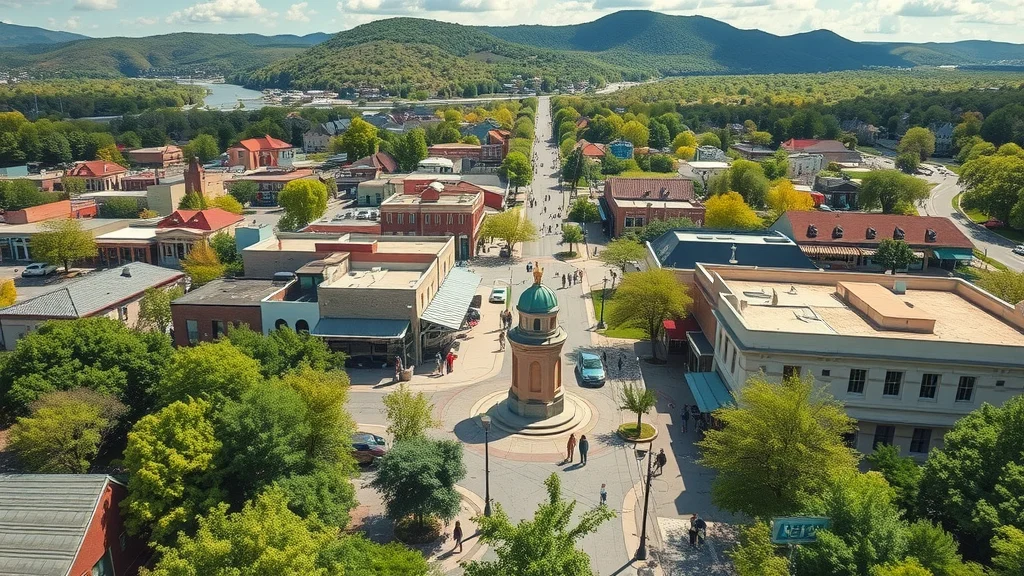
Why Is the Tennessee Valley a Top Choice for New Residents?
One of the primary reasons why so many are moving to Tennessee is the region’s rare combination of opportunity and lifestyle. The Valley is known for its affordable cost of living, driven by lower median home prices, reasonable utility rates, and competitive transportation costs. But it’s also a hub for innovation: thanks to the presence of research institutions like the University of Tennessee, tech corridors in Huntsville, and a resurgence of manufacturing across Florence and Decatur, new residents discover robust career prospects alongside small-town charm.
Furthermore, the cultural scene is thriving. From iconic music fests and live music events to family-friendly parks and countless outdoor activities—especially around the Great Smoky Mountains National Park—East Tennessee has carved out a unique identity as the “Volunteer State” with distinct communities and strong civic ties. This means greater neighborhood buy-in, more participation in local events, and a welcoming spirit toward newcomers—a key concern for retirees and those seeking to put down roots in a place with meaning.
What You’ll Learn About Living in the Tennessee Valley
- Comprehensive overview of the Tennessee Valley’s culture, economy, and neighborhoods
- Guidance for moving to Tennessee and settling in, including key documentation and services
- Breakdown of the cost of living in Tennessee Valley cities
- Insights on local business, events, and schools
- Analysis of drawbacks and challenges facing the region
- Practical advice for buying, renting, or investing in Tennessee Valley real estate
The Tennessee Valley: Geographic, Economic, and Cultural Overview
To make an informed decision about living in the Tennessee Valley, it’s critical to understand the region’s geographic reach, current growth trends, and cultural markers. Spanning North Alabama, East Tennessee, and parts of North Georgia, the Valley sits at the intersection of tradition and modernization. Key cities—from Huntsville (a leader in aerospace and tech) to Chattanooga (a revitalized river city) and Florence (center of the Shoals)—form a diverse mosaic of communities, each with unique attractions and economic drivers.
The area’s natural features—including the Tennessee River, rolling hills, and the proximity to the Smoky Mountains—shape daily life and attract newcomers seeking authenticity and recreation. Coupled with a resurgence in local business growth, a vibrant food scene (think classic fried chicken and sweet tea), strong public school districts, and a proud history rooted in the music and civil rights movements, the Tennessee Valley radiates both Southern hospitality and pioneering spirit.
Defining the Tennessee Valley: Cities, Neighborhoods, and Growth Trends
The Tennessee Valley isn’t just a single city or county—it’s an interconnected network of communities stretching from bustling, tech-driven metros like Huntsville and Chattanooga to picturesque towns along the Tennessee River and through East Tennessee’s scenic foothills. Neighborhoods range from innovative new subdivisions on the outskirts of growing urban areas to established, walkable downtowns lined with local shops, eateries, and public parks.
Recent years have seen marked population growth in areas like Athens, Decatur, and Cleveland, driven by a blend of affordability, job market expansion in healthcare and engineering, and a quality of life that’s difficult to match. The real estate market continues to evolve, with new construction keeping pace with demand—especially as remote work gives more people the freedom to choose communities with strong schools, outdoor amenities, and a defining sense of place.

What the Tennessee Valley Is Known For Locally and Nationally
On both local and national stages, the Tennessee Valley is gaining renown for its innovation hubs, rising quality-of-life rankings, and outdoor living. The University of Tennessee, research parks, and a business-friendly atmosphere make cities like Huntsville and Chattanooga magnets for STEM and healthcare professionals. Nationally, the Valley is also recognized for its music scene, blending roots in country and blues with signature events and “music fest” traditions that nurture local talent.
Recreationally, the region is defined by proximity to top landmarks such as the Great Smoky Mountains National Park, renowned for hiking and wildlife spotting, as well as boating and fishing along the iconic Tennessee River. Vibrant high school and university sports, growing arts districts, and a commitment to revitalizing historic downtowns all contribute to the Tennessee Valley’s status as both a great place to visit—and, more importantly, to live.
| City | Population | Notable Industries | Median Home Price (2024) | Quality of Life Ranking* |
|---|---|---|---|---|
| Huntsville, AL | 225,000+ | Aerospace, Defense, Technology | $315,000 | Top 10 (South) |
| Chattanooga, TN | 182,000 | Logistics, Tech, Tourism | $295,000 | Top 15 (Southeast) |
| Florence, AL | 41,000 | Healthcare, Education, Automotive | $195,000 | Top 20 (Mid-South) |
| Murfreesboro, TN | 160,000 | Education, Manufacturing, Real Estate | $337,000 | Top 25 (Statewide) |
| Decatur, AL | 57,000 | Manufacturing, Logistics, Utilities | $192,000 | Top 25 (Statewide) |
| *Quality of Life ranking based on regional indices combining economic opportunity, recreation, and education (2023-2024 estimates) | ||||
“The Tennessee Valley is a mosaic of historic charm and modern innovation, offering something for every lifestyle and stage of life.” – Local Real Estate Expert
Moving to Tennessee: What New Residents Should Know Before Relocating
For anyone considering moving to Tennessee, understanding the “nuts and bolts”—from paperwork and schools to utilities—can prevent surprises and smooth your transition. The Volunteer State prides itself on a straightforward approach, but there are key details every newcomer should review. School quality, local healthcare options, licensing, and public services all differ by county and city. Early research will help ensure your move is efficient and your family settles quickly into the rhythms of living in East Tennessee or its vibrant cities.
Equally important is the cultural shift many new residents experience. Daily life in the Tennessee Valley means navigating both warm, close-knit communities and practical considerations—like getting used to the region’s distinct seasons, understanding local etiquette, and becoming familiar with civic resources available to you as a resident. Let’s break down the key steps to make your move organized and successful.
Key Steps and Considerations When Moving to Tennessee
Preparation is everything when relocating to a new state. For those moving to the Tennessee Valley, priority actions include updating or transferring your driver’s license, registering vehicles, and securing local documentation if you plan to purchase property. School systems are a highlight in major hubs like Huntsville and Chattanooga, featuring high-ranking high schools and university connections—but districts can vary, making research worthwhile.
Healthcare options are robust around urban centers, supported by university hospitals and regional networks, but may be more limited in rural pockets—so check proximity for your specific area. Utilities and municipal services (from trash pickup to water) are often managed locally, so setting up accounts well in advance can save time after the move. And don’t forget: public libraries, parks, and community centers are excellent resources for networking, learning about your new home, and engaging with neighbors right from the start.
- Licensing and documentation – Transfer driver’s license, vehicle registration, update voter status
- School systems and major districts – Assess options, schedule visits, and collect paperwork early
- Local healthcare options – Research providers, find primary care and specialists, check insurance coverage
- Navigating utilities and municipal services – Arrange for water, electric, gas, trash, and data/communications ahead of move-in

Unique Aspects of Living in Tennessee: Weather, Culture, and Daily Life
What truly sets living in Tennessee apart from the rest of the country? For many, it’s the interplay of distinct seasons (crisp autumns, green springs, warm summers, and mild winters), which powers a vibrant outdoor culture and a way of life punctuated by community gatherings, live music, and celebrations over barbecue and sweet tea
Newcomers are often struck by the civility and genuineness that characterize daily interactions in East Tennessee. Whether you’re shopping at the local farmers’ market, attending a music fest, or just chatting with neighbors, expect a strong sense of hospitality and civic pride. But Tennessee living isn’t only about tradition. The region is also home to an emerging arts scene, modern tech corridors, and a diversity that’s reshaping old stereotypes. In short, whether you’re a retiree, a professional, or a family looking to plant roots, the Valley offers a blend of old and new—a place to belong that feels truly unique.
“Understanding the rhythm of local life in East Tennessee is essential for new residents seeking to put down roots.” – Community Leader
Cost of Living in the Tennessee Valley: Financial Realities for Newcomers
The cost of living remains one of the Tennessee Valley’s leading selling points for newcomers and investors alike. Whether buying, renting, or investing, residents enjoy a low cost that consistently ranks below the national average. Major expenses—from mortgage payments and rents to groceries, insurance, and property taxes—tend to be lower here, while quality of life remains high, especially in communities that balance economic opportunity with access to amenities.
It’s important, however, to take a nuanced look at numbers by city and neighborhood. For example, housing prices are rising fastest in high-demand hubs like Murfreesboro and East Chattanooga, but areas such as Florence and Decatur still present unbeatable value for families and retirees. When contrasted with areas like North Carolina or national urban centers, the Valley’s combination of affordability and lifestyle becomes even more apparent.
Analyzing Tennessee Valley’s Cost of Living Compared to National Averages
When evaluating the region, consider these core expense categories:
- Housing Costs: Median home prices are well below the U.S. median, though they vary by city. Rental markets are steady but tightening in fast-growing areas.
- Property Taxes: Tennessee and North Alabama offer some of the lowest rates in the country—key for retirees and long-term investors.
- Utilities and Services: Favorable rates from the Tennessee Valley Authority (TVA) mean affordable power and water, though local fees may differ by municipality.
- Transportation Expenses: Commuting costs, gasoline, and insurance generally run below urban national averages, though infrastructure and traffic vary by locality.
Exploring Low Cost of Living Advantages in Key Tennessee Valley Cities
Huntsville and Florence offer outstanding value propositions—median home prices frequently $100,000 to $150,000 less than the national median while maintaining strong school districts and public safety ratings. In Chattanooga, an influx of tech jobs and robust public transit keep the overall cost of living low despite recent spikes in demand for urban housing. For investors, the Valley holds appeal with consistent appreciation and relatively low barriers to entry.
Groceries, healthcare, and personal services generally come in below the U.S. average. Utilities, thanks to TVA, remain affordable—though new residents should note that providers and rates can differ by locale. If you’re searching for the best combination of affordability and amenities, cities like Decatur and Murfreesboro provide a sweet spot for families and early-career professionals, while rural pockets offer even deeper savings for those prioritizing space and solitude.
| City | Cost of Living Index* | U.S. Median Home Price | Local Median Home Price | Utility Index | Property Tax Rate |
|---|---|---|---|---|---|
| Huntsville, AL | 84 | $400,000+ | $315,000 | 82 | 0.43% |
| Chattanooga, TN | 89 | $400,000+ | $295,000 | 79 | 0.64% |
| Florence, AL | 76 | $400,000+ | $195,000 | 81 | 0.43% |
| Murfreesboro, TN | 95 | $400,000+ | $337,000 | 83 | 0.61% |
| Decatur, AL | 81 | $400,000+ | $192,000 | 84 | 0.43% |
| *Cost Index: U.S. Average = 100. Lower is more affordable. | |||||
East Tennessee and the Tennessee Valley Lifestyle: Community, Events, and Outdoor Living
Living in the Tennessee Valley is about more than just affordability—it’s about immersing yourself in a culture of community, civic pride, and connection with nature. Signature events pack the calendar in every major city and small town, including world-class music fests that spotlight country, blues, and bluegrass. Festivals like Riverbend (Chattanooga) and ShoalsFest (Florence) anchor the Valley’s reputation for live music and civic engagement.
Meanwhile, East Tennessee’s proximity to the Smoky Mountains, numerous rivers, and hundreds of public parks provide ample opportunities for outdoor living across all seasons. From Saturday morning farmers’ markets to Sunday hikes or a picnic in your local state park, there’s never a shortage of ways to engage, connect, and unwind. Whether you’re single, raising a family, or newly retired, the region offers a rhythm of life uniquely balanced between quiet rural charm and dynamic urban resurgence.
Music Fest and Cultural Celebrations Across the Tennessee Valley
If there’s one constant in the Tennessee Valley lifestyle, it’s the celebration of music, food, and culture. The Valley’s cities host a rotating calendar of music fest events—like the Riverbend Festival in Chattanooga, where live music, street vendors, and fireworks attract thousands; or the Handy Music Festival in Florence, spotlighting jazz, blues, and local talent. Even smaller towns boast weekly music nights, bringing together neighbors, families, and visitors for meaningful experiences centered around food, art, and history.
These cultural celebrations aren’t just for visitors—they create lasting community bonds, fuel charity initiatives, and nurture the next generation of local musicians and artists. Whether you’re into country, bluegrass, rock, or gospel, there’s always a stage, a gathering, or a front-porch jam session waiting for you to join in.

Outdoor Recreation: Great Smoky Mountains, Rivers, and Parks
For nature lovers and adventure seekers, living in East Tennessee and the Tennessee Valley means daily access to world-class outdoors. The Great Smoky Mountains National Park—America’s most visited—offers endless hiking, scenic drives, and unforgettable mountain vistas. Closer to home, the Tennessee River offers miles of boating, kayaking, and fishing, while greenways and public parks provide year-round spaces for fitness, relaxation, and family gatherings.
- Hiking in Great Smoky Mountains: Miles of trails for all ages and skill levels, from easy walks to strenuous climbs—plus breathtaking views in every season.
- Boating on Tennessee River: Popular for fishing, paddling, and leisure cruises with plentiful public access points and marinas.
- Top-rated public parks and greenways: Enjoy nature preserves, playgrounds, dog parks, and bike trails in cities and towns throughout the region.
No matter your passion—birdwatching, mountain biking, Appalachian trail hikes, or simply relaxing with family and friends—the Tennessee Valley delivers an authentic connection to the outdoors, grounded in both local pride and stewardship.

Housing Market Trends and Real Estate Investing in the Tennessee Valley
One of the fastest-evolving stories in the Valley is the robust housing market. While demand—particularly for new and move-in-ready homes—has increased in nearly every city, the region remains more accessible and profitable for buyers and investors than many coastal and major metro markets.
Whether you’re seeking to buy, rent, or develop, understanding neighborhood profiles, market timing, and the differences between established communities and new subdivisions is key to securing the value the Tennessee Valley can offer.
Buying vs. Renting: What Living in the Tennessee Valley Means for You
Should you buy right away or wait to rent and explore? In the Tennessee Valley’s current market, both options have merit
Renting offers flexibility, especially if you’re still deciding on which city or neighborhood aligns with your lifestyle. The Valley’s rental market includes downtown lofts, suburban homes, and apartments near major employers—ideal for newcomers seeking to test-drive the region before putting down more permanent roots.
“Steady job growth and low cost of living continue to draw investors and families to the Tennessee Valley real estate market.” – Economic Analyst
New Construction, Development, and Neighborhood Profiles in East Tennessee
A defining trend is the continued expansion of new-home communities and infill developments throughout the Valley. Cities like Murfreesboro and Chattanooga have seen a surge in new construction, blending modern amenities with classic Southern facades. Developers are prioritizing walkable neighborhoods, energy-efficient designs, and community amenities like pools and parks—all of which help maintain the region’s quality of life ranking and long-term investment appeal.
Neighborhoods range from luxury estates and golf-course communities to affordable starter homes and countryside retreats. Each offers a window into the region’s evolving identity—one rooted in tradition but with an eye toward sustainability and growth. For would-be residents, now is the time to tap local expertise and act on opportunities in areas aligned with your goals, from fast-growing suburbs to revitalized urban cores.
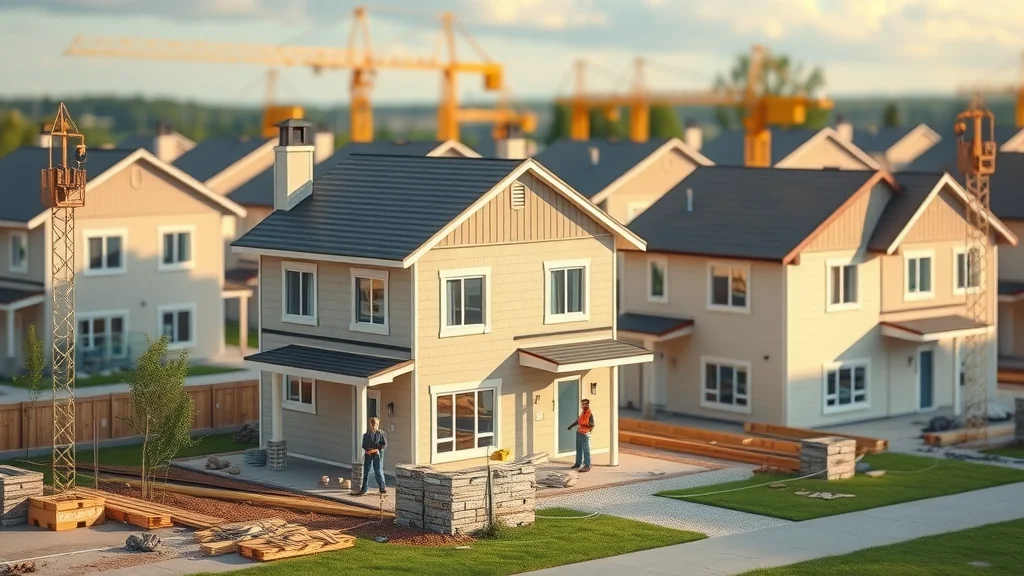
| Subdivision / Area | Median Price | Home Size (Sq Ft) | Key Features | Proximity to Schools / Parks |
|---|---|---|---|---|
| Crestview Estates (Chattanooga, TN) | $350,000 | 2,100 | Energy Star Homes, Clubhouse, Pool | 5 min to top-rated elementary |
| Decatur Meadows (Decatur, AL) | $240,000 | 1,800 | Single-level, Modern Finishes | Near city park, walkable to shopping |
| Florence Oaks (Florence, AL) | $210,000 | 1,650 | Traditional Architecture, Green Spaces | Short drive to university |
| Willow Glen (Murfreesboro, TN) | $370,000 | 2,300 | Open Concept, Walking Trails | Close to new high school |
Pros and Cons: Drawbacks and Major Issues of Living in Tennessee Valley Communities
While the Tennessee Valley delivers many advantages, every region has its own set of challenges that newcomers need to understand and plan for. Weather risks—namely flooding and periodic severe storms—require attention to location and insurance coverage. Growing communities can face infrastructure and commute bottlenecks, and quality of healthcare access may vary in outlying areas. School quality is strong in most cities, but gaps exist—so careful research is critical for families prioritizing education.
- Weather risks (flooding, storms)
- Healthcare accessibility (urban vs. rural differences)
- Infrastructure and commute times (vary by area, rapid growth challenges)
- School quality disparity (check district ratings)
Despite these considerations, most long-term residents and local experts agree: with prudent planning, smart location choices, and engagement in the community, the Valley’s drawbacks are manageable—and often far outweighed by the opportunities and lifestyle benefits the area delivers.

“Every region has its quirks, and the Tennessee Valley is no different—wise planning is key to a smooth transition.” – Local Homebuyer
What to Know About Tennessee Before Moving There (People Also Ask)
What to know about Tennessee before moving there?
Before moving to Tennessee, it’s helpful to know that the state is renowned for its low cost of living, friendly communities, and a blend of historic charm and dynamic economic growth. There’s no state income tax on wages, but sales tax rates are above the national average. The weather is marked by four distinct seasons, with hot summers, mild winters, and storm risks during spring. Education quality and healthcare access vary by region, so research specific school districts and medical facilities is encouraged. Culturally, prepare for an abundance of country music, live music festivals, and a strong sense of Southern hospitality—plus easy access to national parks, including the Great Smoky Mountains.
What is the Tennessee Valley known for?
The Tennessee Valley is most famous for its picturesque landscapes—rolling hills, the Tennessee River, and proximity to the Great Smoky Mountains National Park. Beyond natural beauty, the area is known for a robust high-tech sector, regional universities (like the University of Tennessee), and a celebrated music and cultural scene. Locals and tourists alike appreciate family-friendly festivals, historic downtowns, and easy access to outdoor recreation. The region’s status as a hub for innovation, affordability, and traditional Southern lifestyle continues to attract both residents and investors.

What are the drawbacks of living in Tennessee?
While living in Tennessee offers affordability and lifestyle perks, drawbacks include seasonal severe weather, with strong storms or flooding impacting certain locations. Sales tax rates are among the highest in the nation, affecting larger purchases and daily expenses. Urban areas may experience rapid growth that strains infrastructure, leading to longer commutes. Access to healthcare is strong in cities, but more limited in rural regions. Education quality also varies, so families planning a move should research districts carefully to ensure the best fit for their needs.
What are some major issues in Tennessee?
Some current issues in Tennessee include uneven access to top-tier healthcare across all regions, school quality disparities, and the need for ongoing infrastructure upgrades. Environmental concerns, such as severe weather and flooding in low-lying communities, can pose risks. Growth in cities like Chattanooga and Murfreesboro also brings challenges in housing affordability and traffic congestion. Nevertheless, the Tennessee Valley continues to invest in solutions, with community initiatives, public investments, and a regional focus on smart growth and sustainability.
Frequently Asked Questions: Living in the Tennessee Valley
- Is the Tennessee Valley safe for families and retirees? Yes. Most neighborhoods report low crime rates, with active community watch programs and strong ties between residents. As with any area, research specific cities and sections for the latest safety data.
- What healthcare options are available? Major cities offer top hospitals and specialist networks. Rural areas may require longer travel but are supported by regional clinics and telemedicine options.
- Are there major airports nearby? Yes. Chattanooga, Huntsville, and Birmingham all host regional airports with connections across the U.S., plus Atlanta is within driving distance for international travel.
- What schools are top-rated? Notable districts include Huntsville City Schools, Chattanooga’s Hamilton County, and Rutherford County in Murfreesboro. The University of Tennessee is a leading higher-education option with a strong local presence.
- How do taxes compare across the region? No state income tax on wages, low property taxes, and competitive housing costs—offset by a higher-than-average sales tax rate.
Key Takeaways for New Residents in the Tennessee Valley
- Affordable cost of living and diverse lifestyle choices are among the region’s biggest draws
- Strong community ties and cultural opportunities abound throughout the Tennessee Valley
- Robust real estate investment potential for buyers, renters, and developers
- Challenges exist but are manageable with proper planning and local engagement
- Regional uniqueness drives a strong sense of place and belonging for all ages
See authentic daily experiences from sunrise to nightfall: morning routines, commutes, neighborhood interactions, community events, leisure in local parks, and personal stories from diverse Tennessee Valley residents.
Get firsthand tips and narratives from locals about making the most of your move to the Tennessee Valley.
Plan Your Move: Ready for Living in the Tennessee Valley? Start Your Regional Home Search Here
Whether you’re searching for your next home, evaluating investment properties, or looking to embrace East Tennessee’s unique culture, now is the time to make informed, confident moves. Explore trusted local real estate agents, review neighborhood guides, and access up-to-date listings to start your journey in the Tennessee Valley today.
Conclusion: The Tennessee Valley offers tremendous promise for new residents—grounded in affordability, strong community, and unmatched quality of life. Do your homework, connect with locals, and you’ll find a place to truly thrive.




Write A Comment