 Add Row
  Add
Add 


Did you know that Birmingham’s median home price is nearly 30% lower than the national average—making it one of the most affordable housing markets in the Tennessee Valley? This compelling statistic has prompted many to consider the Magic City as a practical destination for homeownership, real estate investment, and long-term living
Birmingham Housing Affordability: A Starting Point Grounded in Facts
"According to the latest U.S. Census, Birmingham's median home price remains nearly 30% lower than the national average, providing unique opportunities for first-time buyers and investors alike." – Local Real Estate Analyst
Birmingham has earned a regional reputation for being an affordable housing market compared to other metropolitan areas in the Midwest and South. This affordability is rooted in median list prices that consistently trend below the national median while still offering access to urban amenities, job opportunities, and community resources. For prospective residents evaluating where to put down roots in the Tennessee Valley, this means that the average monthly mortgage payment for a typical home in Birmingham is manageable even for middle-income individuals. Furthermore, the city council, in coordination with the local housing authority, has pursued public housing initiatives and housing choice voucher programs to improve access for low-income families.
Despite the positive headlines about affordable housing options, it’s important to recognize that not all neighborhoods or property types are priced equally. Some areas, particularly those experiencing revitalization or new development, have seen steeper jumps in home price and limited housing inventory. Yet, as a whole, Birmingham housing affordability remains comparatively strong, attracting not only local residents, but also buyers from other Southern cities seeking financial stability and long-term neighborhood stability.

What You'll Learn About Birmingham Housing Affordability and Its Regional Impact
- How Birmingham housing affordability compares to regional and national markets
- Historical shifts in the Birmingham housing market and their causes
- Affordable housing options and public housing initiatives
- Factors influencing housing costs in Birmingham
- Practical insights for prospective residents, buyers, and investors
Understanding the Birmingham Housing Market: Local Dynamics and Context
Affordable Housing and Market Trends in Birmingham
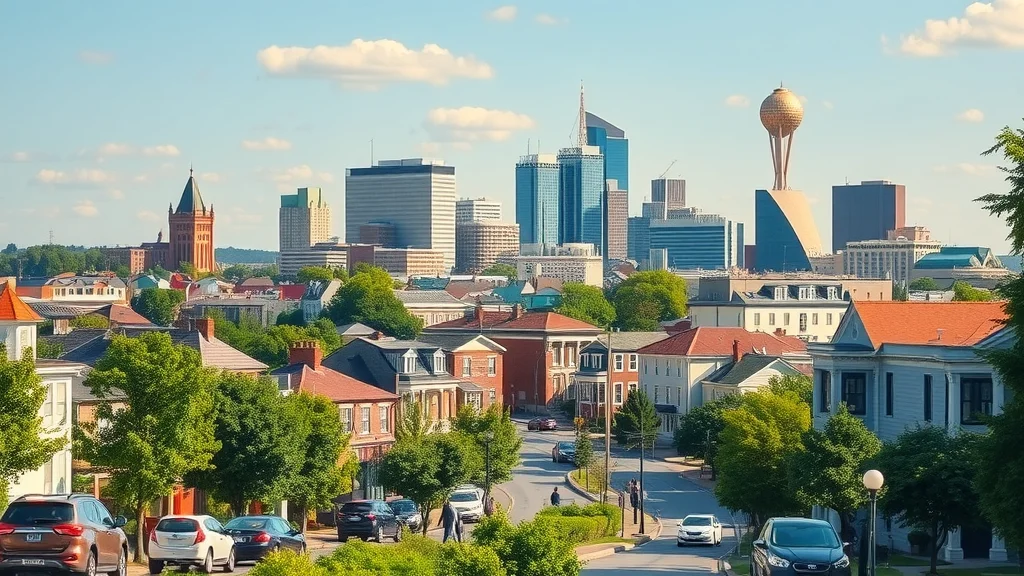
The Birmingham housing market is defined by its unique blend of historic neighborhoods and ongoing urban development. Over the past two decades, city investments have helped stabilize home prices, making the region more resistant to volatility compared to many other affordable housing markets in the South. Key neighborhoods, such as those in Jefferson County and the city’s western corridors, have become prime locations for both existing home purchases and new affordable developments. Median list prices in these areas are lower than in places like Huntsville or Chattanooga, making the dream of homeownership a reality for a wider range of residents.
Alongside single-family homes, multi-family units and rental apartments present additional housing options that cater to younger professionals, low-income individuals, and retirees. The city council has enacted policies to incentivize developers to create more affordable housing, and the local housing authority manages a growing waiting list for subsidized apartments and public housing units. This broad approach not only expands housing access, but also supports a stable monthly mortgage payment range across multiple household income levels.
Public Housing, City Council Policy, and Community Growth
Birmingham’s city council and housing authority have historically played active roles in steering housing markets toward greater accessibility. Public housing programs, including the longstanding Section 8 and housing choice voucher systems, are designed to accommodate the city’s most vulnerable residents who face barriers to market-rate rentals or homeownership. These policies, funded in part through partnerships with federal and state governments, ensure that affordable housing remains a core priority despite economic fluctuations or shifts in city leadership.
Community growth is further supported by targeted investment in neighborhood infrastructure—such as road improvements, expanded public transit, and green space revitalization—which is proven to help maintain property values while mitigating dramatic price surges. As a result, even when certain neighborhoods experience higher-than-average demand, the broader system of affordable housing options and public housing programs preserves balance. This ongoing collaboration between public institutions, private developers, and resident advocates exemplifies how local dynamics underpin Birmingham housing affordability and foster lasting neighborhood stability.
Comparing Affordable Housing Markets: How Does Birmingham Stack Up?
| City | Median Home Price | Average Rent (2BR Apt) | Homeownership Rate |
|---|---|---|---|
| Birmingham | $215,000 | $1,150 | 60% |
| Huntsville | $289,000 | $1,225 | 65% |
| Chattanooga | $250,000 | $1,250 | 57% |
| Florence | $199,000 | $1,050 | 62% |
When evaluating affordable housing markets across the Tennessee Valley, Birmingham holds a competitive position. The median list price of homes remains notably beneath the national median, providing local buyers and investors with a clear entry point that doesn’t exist in other rapidly appreciating Southern cities. While Huntsville, for example, has gained attention for its tech and aerospace sector growth, its home prices and rental rates have, in recent years, surpassed those found in Birmingham, potentially placing a higher financial burden on some new residents.
Florence and Chattanooga also represent important benchmarks for comparison, though they differ in housing inventory, economic drivers, and homeownership rates. The analysis reveals that Birmingham’s balance of affordability, selection, and city council engagement puts it ahead in terms of diverse housing options and accessibility. While no single market excels across all metrics, Birmingham’s strengths are evident when placed side-by-side with other Tennessee Valley cities, reaffirming its reputation as a resilient, affordable housing hub for both individuals and families.

Birmingham Housing Affordability: Options and Opportunities
Diverse Housing Options: From Historic Neighborhoods to Suburban Developments
Birmingham offers a spectrum of affordable housing options, ranging from restored historic homes in neighborhoods like Avondale and Forest Park to new builds and revitalized apartments in suburban pockets outside of downtown. This supply diversity is crucial for attracting a varied population of homebuyers, renters, and investors. University students, retirees, and working families are able to find homes that fit their budgets without sacrificing access to schools, transit, or green spaces. Additionally, the city’s focus on revitalization projects in once-neglected districts is reshaping the housing landscape—updating older existing homes, boosting neighborhood stability, and expanding affordable pathways to homeownership.
- Single-family homes in Birmingham
- Multi-family and apartment living
- Upcoming affordable housing developments
- Revitalization projects impacting affordability
While some housing options carry a higher initial list price due to location or recent upgrades, the majority of new developments remain anchored below the national median. Public and private partnerships have yielded mixed-income communities, ensuring that both market-rate and low-income households benefit from improvements. The city council’s ongoing dialogue with developers encourages the inclusion of affordable units in larger projects. This approach doesn’t just serve new arrivals; it also helps long-term residents find renewed financial stability by keeping monthly mortgage payments within reach, even as the Birmingham housing market evolves.

"Birmingham’s range of housing options, bolstered by local investment in infrastructure and transit, has helped buffer the region from the extreme price volatility seen in other Southern cities." – Regional Planner
The Economic Drivers Behind Birmingham Housing Affordability
Impact of Job Growth, Industry Shifts, and Infrastructure Investments
Economic development is at the heart of Birmingham’s continued housing affordability. Over the last decade, job growth in healthcare, education, advanced manufacturing, and finance has supported a stable middle class and drawn in new workforce talent. These jobs, combined with steady investment in infrastructure—such as expanded bus routes and new public parks—have made a substantial difference in where residents choose to live and how attainable homeownership can be.
Industry shifts into emerging sectors, coupled with targeted support for small businesses, are gradually lifting median incomes and improving household financial health. These higher earnings empower more prospective homeowners to enter the Birmingham housing market without overextending themselves on mortgage payments. Infrastructure projects have a twofold impact: they increase property values while restraining unchecked price hikes. As a result, Birmingham stands as an example of a Southern city that combines economic growth with careful affordable housing policy—delivering sustainable opportunities for both current residents and future arrivals.

"Cities that combine job creation with expansive affordable housing policy tend to foster lasting economic resilience — Birmingham is an emerging example." – Urban Policy Scholar
Regional Voices: Community Insights on Birmingham Housing Affordability
- Perspectives from recent homebuyers
- Thoughts from local business leaders
- Feedback from affordable housing advocates
Residential perspectives bring to light the everyday realities behind affordability statistics. Recent homebuyers frequently mention the reasonable median list price, access to schools and amenities, and short commute times as decisive factors in their choice to settle in Birmingham. Many note that even entry-level buyers can bypass years-long waiting lists typical of larger metropolitan housing authorities and can instead quickly find a home that’s both affordable and well-located.
Local business leaders echo these sentiments, highlighting that stable housing costs give employees the confidence to relocate for new jobs or invest in long-term residency. Affordable housing advocates remain vigilant in ensuring the city council and housing authority expand public housing programs, particularly for low-income residents. They stress that continued collaboration between the city and community organizations is vital for addressing the needs of all residents, from single parents receiving housing choice vouchers to retirees seeking neighborhood stability in old age.

People Also Ask About Birmingham Housing Affordability
Is Birmingham expensive to live in?
Birmingham, Alabama is generally considered affordable compared to other U.S. metropolitan areas, with lower-than-average housing costs and favorable cost-of-living indexes. However, costs can vary depending on the specific neighborhood, with some communities carrying higher home prices due to amenities, new development, or school zoning. The city council’s commitment to keeping a range of affordable housing options available also plays a role in ensuring that most residents find financially manageable options, whether they are renters or homebuyers.
Is there a housing shortage in Birmingham?
While Birmingham has not experienced housing shortages as acute as some major cities, population growth, investment trends, and heightened demand for certain types of homes (particularly multi-family and affordable public housing units) have put pressure on supply in select areas. Waiting lists for public housing and some apartment developments reflect pockets of limited inventory, but city council and developer initiatives are underway to improve access and ease bottlenecks.
Is Birmingham, Alabama an expensive place to live?
No, Birmingham remains one of the more affordable major Southern cities, especially when considering key factors such as home prices, property taxes, and everyday expenses. Relative to peers in the Tennessee Valley and broader South, Birmingham offers both lower monthly mortgage payments and accessible rental rates for most income levels. This affordability is part of what makes the Magic City attractive for those seeking relocation or real estate investment.
Why are houses in Birmingham so expensive?
While Birmingham housing affordability is strong, select neighborhoods have seen rising home prices due to factors like new development, limited housing inventory, and growing interest from out-of-state buyers. These price spikes are balanced by a citywide focus on affordable housing policies, which aim to ensure that even as some neighborhoods become more competitive, options remain for buyers and renters seeking long-term financial stability.
Key Takeaways: What Birmingham Housing Affordability Means for Movers and Investors
- Birmingham offers diverse and generally affordable housing options across a spectrum of neighborhoods.
- City council and public housing policies influence pricing and access.
- Local economic conditions directly impact the sustainability of housing affordability.
- Comparing Birmingham to other Tennessee Valley cities highlights unique strengths and areas for improvement.
FAQs on Birmingham Housing Affordability
- How does Birmingham housing affordability compare to nearby cities?
- What are current challenges facing affordable housing in Birmingham?
- Are there incentives for first-time buyers or low-income families?
- Where can I find new housing developments in Birmingham?
- How do public transportation and infrastructure impact housing costs?
Conclusion: Is Birmingham Housing Affordability a Key Reason to Move?
Birmingham housing affordability stands as an important factor for prospective residents and investors. Weighing local market trends, economic growth, and community input, it’s clear that Birmingham remains a compelling option in the evolving housing markets of the Tennessee Valley.
Video Tour:Short video tour of Birmingham neighborhoods highlighting affordable housing, diverse architecture, community spaces, and local residents in everyday settings. Clips should transition between historic and modern housing, bustling parks, local shops, and public transit — all under vibrant daytime lighting, with a focus on lively, authentic community life.




Write A Comment