
Did you know that the Tennessee Valley’s healthcare sector is growing at a rate 30% higher than the national average? The signs are everywhere: new hospital complexes reshaping skylines, advanced medical services reaching previously underserved communities, and a rising wave of economic activity tied directly to the region’s robust healthcare system
A Startling Shift: Healthcare Expansion Tennessee Valley by the Numbers
"The Tennessee Valley is witnessing a healthcare growth rate 30% higher than the national average." — Regional Health Statistics, 2023
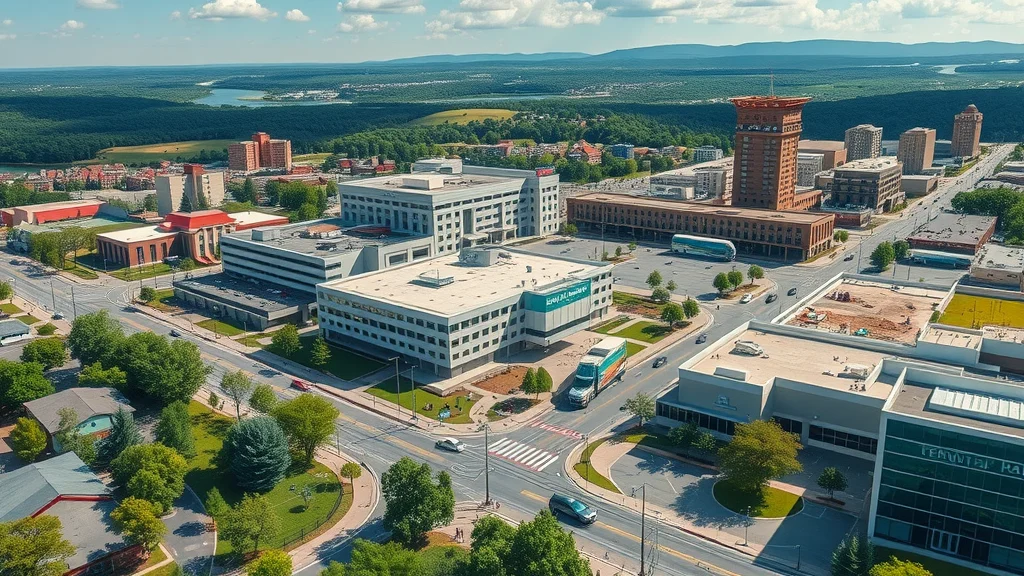
The transformation brought by healthcare expansion Tennessee Valley is measured not only in towering new hospital wings but also in the underlying numbers driving the region’s growth. Over the past three years, data from regional health and economic surveys reveal that the Tennessee Valley has added more than twice as many new medical centers per capita as many neighboring regions, including Middle Tennessee. For residents, this means improved access to both primary care and specialized services right in their own communities. Employers are seeing workforce opportunities expand as new facilities hire clinical, administrative, and support staff at scale. The ripple effect even extends into real estate, with nearby neighborhoods increasingly in demand as health system investments revitalize local economies and spur new housing projects.
Regional care system figures highlight an accelerating trend: the Tennessee Valley now averages a patient-to-physician ratio of 400:1, well ahead of national and state benchmarks. Facilities such as the high-profile Ascension Saint Thomas Midtown Tower and the recently expanded Huntsville Valley Healthcare emergency wing exemplify this surge. From the construction cranes dotting skylines to the new Fisher Houses supporting veterans near VA Medical Centers, the region’s healthcare growth is more than a statistic—it’s an engine of economic, social, and community change.
What You'll Learn About Healthcare Expansion Tennessee Valley
- Key drivers of healthcare system growth in the Tennessee Valley
- Impacts on residents, workforce, and local economy
- Comparisons to healthcare trends in other regions
- The interplay between medical centers and community development
Understanding the Healthcare Expansion Tennessee Valley: Context and Catalysts
How the Tennessee Valley Healthcare System is Evolving
The Tennessee Valley healthcare system is at a pivotal moment. Historically anchored by a combination of VA Medical Centers, community clinics, and flagship hospitals such as Ascension Saint Thomas, the care landscape is now defined by rapid modernization and a push to broaden regional access. Policy shifts, population growth, and competitive investment from hospital groups have all contributed to a pace of expansion unique in the state. New projects range from state-of-the-art diagnostic units in Decatur to integrated wellness facilities in growing suburbs. The goal: address regional shortages of both primary and specialized care, while empowering valley health networks to provide a continuum of services and reduce patient load at overburdened urban centers.

Innovation is visible in the adoption of telehealth, the expansion of ambulatory care, and the careful integration of mental health services into mainstream settings. These changes are reflected not only in statistics but also in patient experience, as new digital technologies and facility upgrades enable a more personalized and efficient model of care throughout the Tennessee Valley healthcare system. As a result, the region is attracting both young professionals and seasoned clinicians, creating a positive feedback loop of quality improvement, workforce retention, and broader access for patients across socioeconomic backgrounds.
Role of Flagship Medical Centers in Local Care
Flagship medical centers—such as Ascension Saint Thomas and VA Medical Center in Huntsville—act as the backbone of the region’s evolving healthcare infrastructure. These institutions not only provide advanced clinical services and research but also partner closely with smaller community-based facilities. Their ability to offer high-level treatments, complex surgeries, and speciality care attracts patients from both rural and urban parts of the Tennessee Valley. As a result, residents no longer need to travel as far for primary or specialist consultations, and more comprehensive care services are available closer to home.
The ripple effect from this model has been substantial. Flagship centers routinely collaborate with local providers to offer training, clinical rotations, and scholarship programs that build a stronger, more stable healthcare workforce. Expansion is visible in the construction of new teaching units, rehabilitation centers, and even on-site Fisher Houses to support the families of veterans and service members. This interconnected approach ensures that the benefits of the valley healthcare system reach virtually every community and demographic in the region.
Regional Infrastructure: Connecting Valley Health Facilities
Expansion in the Tennessee Valley isn't happening in silos. A robust regional infrastructure plan—spanning highway upgrades, public transportation links, and digital connectivity—facilitates the integration of new and existing valley healthcare system sites. This strategic approach is not only about building more facilities, but also about ensuring all residents, from the heart of Huntsville to the far reaches of Gadsden or Florence, are connected to care when they need it.
The focus on regional connectivity has driven coordinated investments from both private operators and public agencies, prioritizing projects that close gaps in emergency response and provide better rural access. State and county funding for medical center infrastructure—including parking, patient transport, and telemedicine—helps to bridge disparities in care delivery. For relocating families, healthcare professionals, and investors, this level of integration underscores the Tennessee Valley’s commitment to comprehensive, accessible, and equitable services for the entire community.
Economic Development and the Growth of Valley Healthcare Systems
Workforce Expansion in the Healthcare System
The rapid healthcare expansion Tennessee Valley is fueling unprecedented workforce growth across the entire region. Healthcare now rivals other key industries in total jobs created, attracting everyone from physicians and nurses to tech specialists, facilitators, and administrative professionals. The construction of new medical centers and the renovation of existing ones means thousands of long-term employment opportunities, bolstering the local economy while raising living standards.

This hiring boom stretches beyond hospital boundaries, fueling growth in support sectors such as real estate, patient transport, janitorial, food services, and specialist training programs. Colleges in the Tennessee Valley, from community campuses to major universities, are quickly adapting curricula to equip students for emerging roles in healthcare technology, telemedicine, and patient care coordination. Residents, particularly young job seekers and those transitioning from other fields, are discovering that the healthcare system now offers more avenues for local career advancement than ever before.
Healthcare Investment and Real Estate Implications
Healthcare investments have become a powerful driver of regional real estate trends, influencing everything from hospital-adjacent apartment demand to commercial building renovations and even residential home values. Newly developed medical centers, such as those in Murfreesboro and Cleveland, attract not only healthcare professionals but also new restaurants, shops, and service providers that flock to meet the daily needs of patients, visitors, and employees. This virtuous cycle is transforming neighborhoods and fueling real estate development on a scale unmatched by most other industries in the Tennessee Valley.
"Healthcare expansion in the Tennessee Valley is a major driver of job creation, with more than 8,000 new positions anticipated by 2027." — Tennessee Department of Labor
Real estate investors are increasingly eyeing medical corridors and revitalized blocks near flagship facilities as prime sites for future growth. For homeowners and future buyers, proximity to modern healthcare amenities enhances long-term property values and creates a robust sense of community. This synergy between healthcare investment and neighborhood revitalization is central to the region’s sustained economic momentum.
Medical Center Expansion: What It Means for Residents
Availability of Specialized Care and Key Services
Across the Tennessee Valley, the opening of modern medical centers means that residents now enjoy access to specialized services—from advanced cardiac care and oncology to rehabilitation and telemedicine—within minutes rather than hours of their homes. Facilities like Ascension Saint Thomas Midtown Tower and the expanded Cleveland Regional Outpatient Center exemplify the rising standard of care in the valley healthcare system and underscore the broader impact on daily life, longevity, and well-being.

For families, seniors, and veterans, the growth of services at the VA Medical Center, Fisher House Foundation facilities, and new outpatient clinics translates to convenience, faster response times, and a broader safety net. Patients with chronic or complex conditions no longer need to travel far or face long waits for specialty appointments. This access is a defining characteristic of what sets the valley healthcare system apart from other regions, and it is shaping everything from family decisions on where to relocate to the quality of life for long-term residents.
Changing Patient Experiences in Tennessee Valley Health Facilities
Patient experience is also undergoing transformation as a result of healthcare expansion Tennessee Valley. Modern facilities are designed around the needs and comfort of patients, featuring private rooms, integrated wellness spaces, and technology-enabled care. Staff at top-rated medical centers, such as those in Huntsville and Chattanooga, are trained in both state-of-the-art medicine and compassionate communication, further enhancing satisfaction and health outcomes.
Feedback from patient surveys and focus groups reveals rising satisfaction scores, attributed to factors such as lower wait times, smoother care coordination, and improved support for family members and caregivers. Community members—whether relocating professionals or lifelong locals—express increasing confidence in the valley health system’s ability to deliver responsive, effective, and humane care. Such progress demonstrates how healthcare expansion serves as a catalyst for improved daily life and regional pride.
Comparing the Tennessee Valley: Where Does Regional Healthcare Stand?
| Region | Number of Medical Centers | Residents per Physician | Recent Expansion Projects |
|---|---|---|---|
| Tennessee Valley | 28 | 400:1 | 7 (since 2021) |
| Middle Tennessee | 16 | 480:1 | 3 (since 2021) |
| National Average | N/A | 550:1 | N/A |
Even a quick comparison highlights the leadership role played by the Tennessee Valley in healthcare provision. With more medical centers per capita and a lower residents-to-physician ratio than both neighboring regions and the national average, the valley healthcare system is consistently cited in regional quality-of-life surveys as a key attractor for newcomers and businesses alike.
Community Impact: The Broader Reach of Healthcare Expansion Tennessee Valley
Neighborhood Revitalization and Quality of Life
The surge in healthcare investment is spurring significant improvements throughout local communities. New and upgraded clinics not only offer health care services but also become focal points for neighborhood revitalization. Landscaping projects, new sidewalks, accessible playgrounds, and increased green spaces are common in areas surrounding the latest Fisher House Foundation units and outpatient centers. These enhancements boost quality of life for everyone, making communities safer, more social, and more vibrant.

Community leaders note that healthcare facilities anchor broader economic development—spurring the growth of restaurants, small businesses, and housing renovations near new medical centers. This network effect extends well beyond care delivery, touching on education, recreation, and even public safety. Neighborhoods near flagship centers like Huntsville’s valley healthcare system site regularly report increased property values and new family-friendly amenities, underscoring the multifaceted impact of healthcare expansion Tennessee Valley.
Support Services: The Rise of Facilities Like Fisher House Foundation
For veterans, active service members, and their families, the presence of support services such as Fisher Houses near VA Medical Centers is a critical complement to traditional healthcare services. The Fisher House Foundation provides comfortable, no-cost lodging close to medical centers, ensuring relatives can be near during treatment and recovery periods. These facilities, along with growing “hotels for heroes” programs, relieve significant financial and emotional burdens and foster continuity of care.
Thanks to local partnerships and public-private collaboration, the Tennessee Valley now boasts multiple Fisher Houses and support centers. These are more than places to stay—they symbolize the community’s broader commitment to those who serve, and illustrate how support services are being elevated as an essential component of the valley healthcare system.
Case Study: The Role of Ascension Saint Thomas in Regional Health
"Saint Thomas has actively partnered with local employers to improve access, further anchoring the healthcare system in everyday life." — Dr. Angela Daniels, Medical Center Administrator
Ascension Saint Thomas has emerged as a leader in building connections between regional health infrastructure and residents’ everyday experiences. The Midtown Tower expansion and Saint Thomas’s ongoing investments in workforce development, community research, and partnership with local employers have made a notable impact. These collaborative efforts increase healthcare access, streamline care coordination, and solidify the region’s reputation as a national destination for quality medical services and innovative care models.
By acting as both a healthcare provider and a community anchor, Saint Thomas empowers other regional medical centers to adopt similar outreach and engagement strategies—benefits that are felt by patients, employees, and the broader Tennessee Valley economy alike.
Take an immersive look inside the latest Tennessee Valley medical center, highlighting modern patient rooms, advanced technology, and dynamic support services. Interviews with physicians and staff share firsthand perspectives on how the facility is making a tangible difference for patients and the community every day.
People Also Ask: Healthcare Expansion Tennessee Valley
Where is the best healthcare in Tennessee?
Answer:
Tennessee Valley healthcare system stands out for its innovative care models and breadth of top-rated medical centers, particularly in Huntsville and Chattanooga. These cities consistently receive high scores for patient satisfaction and access, reflecting the region’s investment in quality and comprehensive health care services.
Will Tennessee ever expand Medicaid?
Answer:
Medicaid expansion is an ongoing topic of debate in Tennessee politics, with implications for the Tennessee Valley and beyond. While statewide expansion remains unresolved, local initiatives continue to seek federal waivers and implement targeted programs, aiming to cover more residents and bridge healthcare access gaps in the meantime.
What new hospitals are coming to Clarksville TN?
Answer:
Among the most anticipated developments related to healthcare expansion Tennessee Valley are two new medical centers in Clarksville. Scheduled for 2025-2026, these projects will focus on advanced emergency services and outpatient care, helping meet the needs of a growing local population.
Why is healthcare so big in Nashville?
Answer:
Nashville’s leadership in healthcare stems from its dense network of industry headquarters, close ties to major research universities, and large medical centers. Similar trends are emerging across the Tennessee Valley, lending the region growing influence as a healthcare and research destination.
Lists: Major Healthcare Expansion Tennessee Valley Projects (2020–2024)
- Ascension Saint Thomas Midtown Tower
- Fisher House Foundation Veterans Facility at VA Medical Center
- Cleveland Regional Outpatient Center
- New care units at Decatur Medical Center
- Expansion of Huntsville Valley Healthcare emergency wing
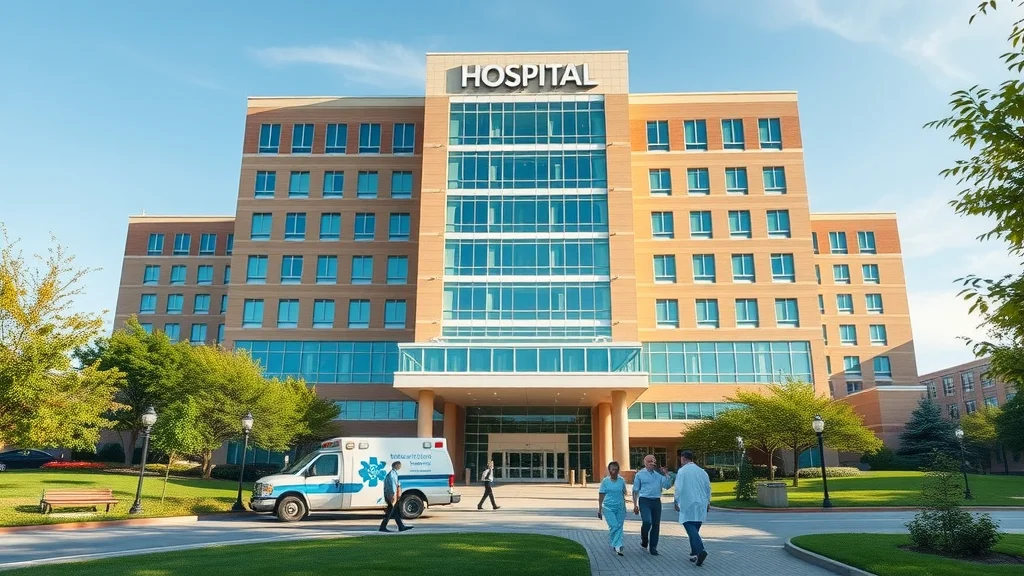
Hear directly from Tennessee Valley residents, healthcare workers, and business owners about how the region’s healthcare expansion is shaping neighborhoods, careers, and day-to-day life.
FAQs on the Healthcare Expansion Tennessee Valley
-
How will healthcare expansion affect rural residents in the Tennessee Valley?
Growth in healthcare centers and mobile clinics is expected to improve rural access, reducing travel times and expanding specialist outreach to remote communities. -
What is the timeline for major medical center projects?
Most new facilities are on track for completion between 2023 and 2027, with ongoing renovations and service expansions across the valley. -
Is the healthcare expansion expected to continue?
Regional economic forecasts and local government plans point to continued healthcare system growth, backed by public-private partnerships and sustained demand. -
Who is leading the push for expanded healthcare facilities?
Healthcare systems such as Ascension Saint Thomas, the VA, and nonprofit partners like Fisher House Foundation are at the forefront, supported by local government and business investment. -
What are the anticipated challenges in further expansion?
Addressing workforce shortages, balancing urban and rural needs, and securing funding are major priorities as expansion continues.
Key Takeaways on Healthcare Expansion Tennessee Valley
- Healthcare expansion Tennessee Valley is reshaping regional economic and community landscapes.
- Local real estate and workforce opportunities are directly influenced by new medical center investments.
- Partnerships among public, private, and nonprofit sectors are driving sustainable healthcare system growth.

Write A Comment