 Add Row
  Add
Add 


Did you know? Between 2022 and 2024, the number of homeowners in Alabama and Tennessee seeking to downsize their homes increased by over 35%, reflecting both economic and lifestyle shifts across the Tennessee Valley

A Data-Driven Look: Why Downsizing Homes in Alabama and Tennessee Is Rising
"Between 2022 and 2024, the number of homeowners in Alabama and Tennessee seeking to downsize their homes increased by over 35%, reflecting both economic and lifestyle shifts across the Tennessee Valley."
- Increased movement to smaller homes: Major metro areas like Huntsville, Birmingham, and Chattanooga have seen a surge in listings for homes under 2,000 sq. ft.
- Rising real estate prices: Single-family home prices in these markets climbed by 7–12% year-over-year, encouraging homeowners to sell larger properties and capture equity.
- Demographic shifts: An aging population and growth in remote work have increased demand for homes that are easier to maintain and offer modern amenities in both urban and rural settings.
How Economic Growth Impacts Downsizing in the Tennessee Valley
The Tennessee Valley has benefited from consistent economic expansion, attracting a workforce that desires flexibility and mobility. This region’s growing industries, such as aerospace, healthcare, and tech, support well-paying jobs that make homeownership accessible. As a result, people are more willing to move, adapt, and even trade larger properties for smaller, efficient homes closer to urban job centers, family, or favorite recreational areas.
In parallel, infrastructure improvements and new housing developments have diversified options for those interested in moving to a smaller home, whether it’s a centrally located condo in Birmingham or a cozy cottage in suburban Chattanooga. Many homeowners use their increased equity to buy houses that better fit their current lifestyle needs, while still focusing on long-term stability and cost savings.
Popular Motivations: Flexibility, Closer to Family, and Reduced Costs
Several factors drive the choice to downsize. Flexibility is highly valued by residents whose jobs or family dynamics may require relocation. Many are drawn to the opportunity to be closer to family—particularly as multigenerational living becomes more common and adult children return to the region. Reducing the cost of living remains a key motivator; a smaller home not only translates to lower mortgage payments but also reduces property taxes, maintenance, and utility bills, directly improving quality of life.
In both Alabama and Tennessee, the trend toward a simpler lifestyle is evident. Homeowners often find that moving to a smaller space means less time and money spent on cleaning, lawn care, and upkeep, freeing up resources for travel, hobbies, or supporting family. Downsizing opens new paths to financial freedom and social connection, especially for retirees, empty nesters, or those seeking independent living in a senior community setting.
What You’ll Learn in This Guide to Downsizing Homes Alabama Tennessee
- Critical market trends affecting downsizing in Alabama and Tennessee
- County-by-county guidance on local regulations and opportunities
- Expert insights on cash offers and modular home options
- Key considerations for real estate investors and homeowners
Understanding the Housing Landscape: Downsizing Homes Alabama Tennessee
Regional Housing Markets: Huntsville, Birmingham, Chattanooga, and Beyond
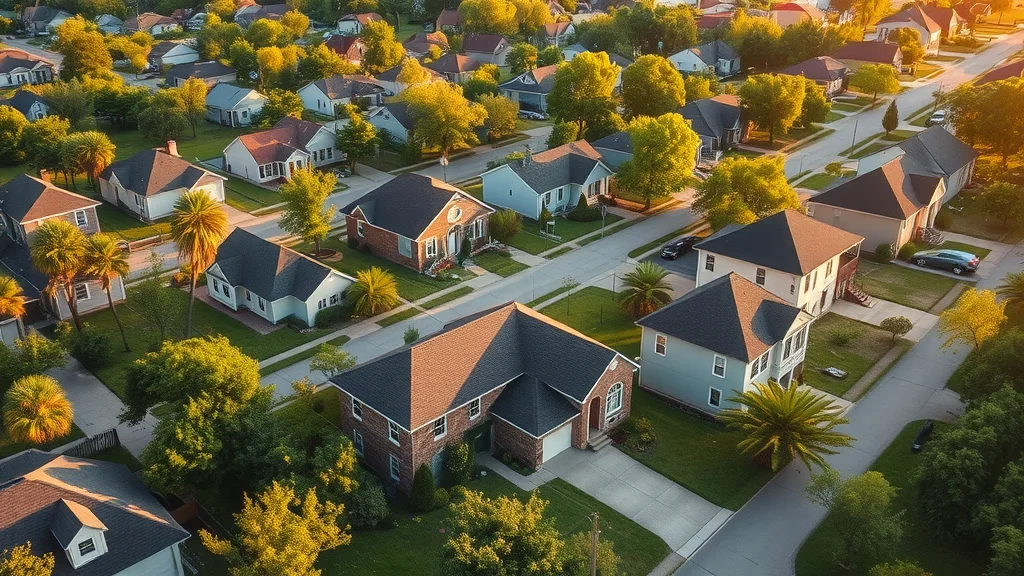
Alabama and Tennessee each feature vibrant real estate markets, from urban centers like Huntsville and Birmingham to the cultural hubs of Chattanooga and Murfreesboro. These areas showcase a range of homes—from older craftsman bungalows to modern modular builds—suited for every downsizing need. Central locations attract buyers seeking walkability and amenities, while rural and suburban communities offer larger lots, wraparound porches, and peaceful living close to nature.
Inventory trends reveal a rising supply of smaller homes and a steady demand among buyers seeking affordable alternatives to traditional homes. In secondary cities such as Athens and Florence, buyers are increasingly drawn to compact homes with updated features and low-maintenance landscaping, contributing to the ongoing rise of the downsizing movement throughout the region.
Essential Market Data: Price Per Square Foot and Inventory Trends
As of early 2024, the average price per square foot has increased steadily in both states, with Tennessee’s urban areas often commanding slightly higher premiums than Alabama’s metros. Suburban counties, such as Limestone in Alabama and Bradley in Tennessee, report comparatively lower housing costs, making them appealing to new and existing residents looking to maximize value.
Inventory of smaller homes and modular units is also expanding, fueled by both retiring homeowners ready to downsize and younger buyers seeking starter properties. These trends have positively impacted real estate investment opportunities—especially as new construction rises to meet demand and local governments adapt zoning to support alternative housing types.
Urban vs. Rural: How Location Affects Downsizing Homes Alabama Tennessee Decisions
Location is a defining choice for downsizers in the Tennessee Valley. Urban living—whether in downtown Chattanooga or Huntsville—offers easy access to healthcare, entertainment, and workplaces, which is a strong incentive for retirees and working professionals. On the other hand, rural and semi-rural communities appeal to buyers prioritizing privacy, land, or proximity to outdoor recreation.
Regulatory considerations can also shape decisions. Local zoning (especially regarding tiny homes or modular builds) often determines where particular housing types can be placed. Many find that rural areas permit greater flexibility with alternative homes, whereas cities may have stricter standards but offer superior amenities, transit, and access to established neighborhoods. Strategic downsizing involves balancing location preferences against budget, regulatory, and lifestyle needs.
Top Reasons to Consider Downsizing Homes in Alabama and Tennessee
- Moving closer to family
- Pursuing economic opportunity
- Adapting to lifestyle changes
- Streamlining maintenance and costs
"Proximity to grandchildren and access to healthcare centers are increasing priorities as the population ages in both states." — Tennessee Valley real estate analyst
Beyond economic trends, many downsizers in Alabama and Tennessee are driven by the practical need to reduce stress and maximize relationships. Closer proximity to grandchildren, family support, and premier healthcare facilities often weigh more heavily than square footage or yard size. As both states see continued growth in age 55+ populations, the appeal of simplified living is likely to grow, along with programs to support aging in place and independent living choices.
Finally, lifestyle factors—such as the freedom to travel, pursue volunteer work, or engage with community life—are increasingly attractive. Smaller homes, especially in senior community settings or new developments, often provide the balance of low-maintenance living and social engagement that buyers crave. Across the region, the opportunity to enhance quality of life while reducing daily burdens is leading countless homeowners to make the switch.
Closer to Family: A Common Motivation for Downsizing Homes Alabama Tennessee

How Multigenerational Trends Shape Transaction Volumes
Increasingly, families in the Tennessee Valley are choosing to consolidate living arrangements or move closer together in pursuit of support, caregiving, and social connection. The rise of multigenerational living and a desire to remain close to adult children and grandkids have become significant factors in both the decision to downsize and the speed at which homes change hands.
Real estate agents with extensive experience note that many clients cite “closer to family” as the top reason for moving, especially as long work-from-home periods or family milestones like new grandchildren prompt lifestyle changes. Smaller homes, accessory dwelling units, and properties in age-restricted or senior community developments all see increased demand as families coordinate moves across counties or even state lines.
Case Study: Families Relocating Across State Lines
A growing number of Alabama and Tennessee families are taking advantage of metropolitan connections, affordable cost-of-living differences, and new employment opportunities to relocate. For example, grandparents in Decatur might sell a long-held traditional home to buy houses or cottages closer to children working in Huntsville or Chattanooga tech corridors. At the same time, some families reverse-migrate for lower property taxes and access to smaller homes in Alabama’s thriving suburbs or rural areas.
These cross-border moves highlight the flexible options available to downsizers willing to research both local markets and unique neighborhood regulations. The common thread: families who stay connected and prioritize shared quality of life benefit, in the long run, from regionally grounded, well-informed real estate decisions.
Cash Offer Options: Fast-Tracking Downsizing Homes Alabama Tennessee
What Is a Cash Offer and When Does It Make Sense?

For many seeking to downsize quickly or with minimal hassle, a cash offer can be an invaluable tool. In the Tennessee Valley, cash offers are common from investors, home buying companies, or individuals with funds on hand. These offers allow sellers to bypass traditional financing processes, inspections, and lengthy marketing cycles, often enabling a move to a smaller home or a new location on a much faster timeline.
A cash offer is especially practical when sellers need liquidity for their next purchase, wish to avoid home repairs, or face a tight relocation deadline. While not always resulting in the highest price, cash deals bring certainty and speed. Consulting with a reputable real estate agent or buy houses expert can help homeowners weigh their unique situation and determine the best path forward based on local market dynamics and personal priorities.
Pros and Cons for Sellers in Alabama and Tennessee
Pros: Speed of closing (sometimes as little as 7–14 days), fewer contingencies, less risk of the deal falling through due to financing, and ability to sell “as-is.” Sellers can transition to their next property, whether a modular, traditional, or tiny home, with confidence and minimal disruption.
Cons: Cash offers can come with a trade-off—a slightly lower price compared to a fully marketed listing. The pool of cash buyers is also smaller, though rising demand for smaller homes, investment properties, and turn-key rentals has expanded options for sellers ready to move to a smaller or simpler space.
| Traditional Listing | Cash Offer Sale | |
|---|---|---|
| Speed (Closing) | 30–60 days | 7–14 days |
| Typical Fees | 5–6% (agent + closing) | 2–4% (may be lower with direct buyers) |
| Buyer Pool | Broad, more negotiation | Smaller, quicker decision |
| Contingencies | Common (inspection, financing) | Rare (often sold as-is) |
Financial Considerations When Downsizing Homes Alabama Tennessee
Cost-of-Living Differences: Alabama vs. Tennessee

One of the most important reasons to downsize a home in this region is cost savings—on housing, taxes, utilities, and everyday expenses. In general, Alabama tends to have slightly lower annual cost of living when compared to Tennessee, especially in housing and utilities. However, Tennessee lacks a state income tax and offers unique affordability in urban pockets like Chattanooga and Cleveland.
Property taxes and insurance costs should be carefully compared by county, as rates may differ widely even within a single state. Many downsizers find it difficult to balance these costs with lifestyle needs, but an experienced real estate agent can help clarify your options and spotlight savings across home types and local communities.
How Downsizing Helps Homeowners Manage Expenses
Downsizing enables residents to unlock thousands of dollars in yearly savings through more efficient living space and reduced maintenance costs. Smaller homes mean lower mortgage balances or rent, less expensive heating and cooling, and decreased outlay for repairs or upkeep—especially if you opt for a newly built home or a professionally renovated modular unit.
For retirees and those planning for independent living, these savings can fuel a better quality of life, freeing up room for travel, hobbies, or additional healthcare needs. Streamlining your real estate assets also brings peace of mind, as smaller, updated homes are generally easier to resell or rent if your needs change down the line.
- Evaluate property taxes and insurance in top counties
- Understand closing cost differences by state
- Consider ongoing HOA or land-lease fees
Exploring Modular, Tiny, and Alternative Homes in Alabama and Tennessee
Modular Homes: Options Under $100,000
- Top manufacturers and local building codes
- Financing options for modular homes
Modular homes offer a fast, customizable, and budget-friendly path for downsizers in both Alabama and Tennessee. Leading home builders in the region offer newly constructed modular units for under $100,000—especially in rural and suburban counties without strict zoning. These homes are built in a factory, delivered to your lot, and assembled rapidly, often cutting thousands of dollars off your move-in timeline.
It's critical, however, to ensure your chosen model complies with both statewide and local building codes. Work with a licensed estate agent or a home builder experienced in modular installations to secure financing and obtain necessary permits. Many financial institutions have specific loan products for modular homes, typically requiring less down payment than traditional builds.
Where Are Tiny Homes Allowed in Alabama?
- Jefferson County: Regulations and exceptions make some tiny home placements possible—especially on family land or in new communities.
- Baldwin County: Growth in tiny home communities is robust, with zones designated for both single units and village formats.
- Athens/Limestone County: Unique zoning considerations apply; some subdivisions permit tiny homes with specific lot and utility requirements.
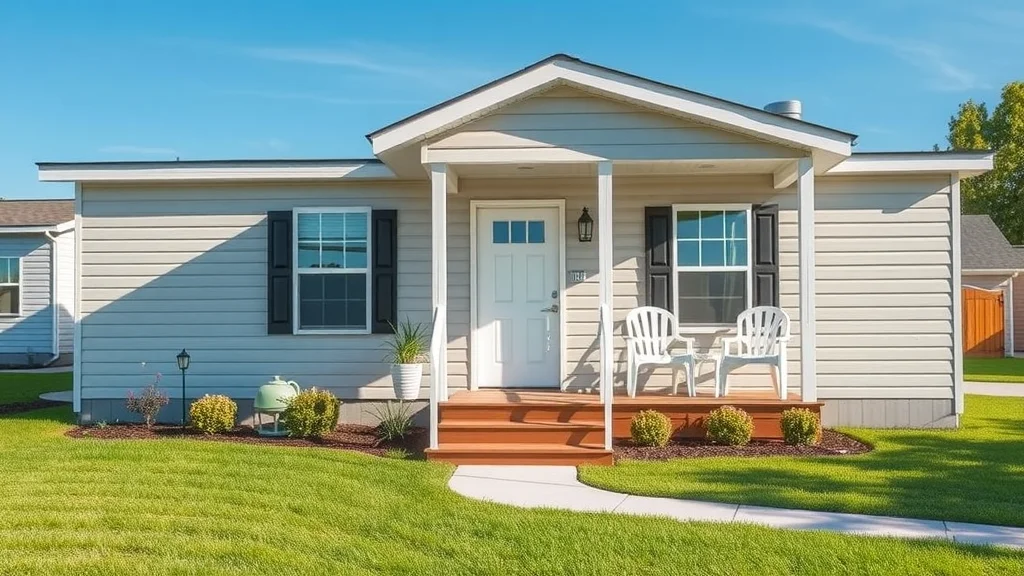
Tiny homes and alternative dwellings are gaining ground in Alabama, but county-level regulations can impact where you can legally site your new property. Working with local officials and engaging a reputable real estate agent is essential to ensuring your chosen home fits both your dreams and local zoning codes.
As housing affordability becomes more challenging, creative solutions like tiny homes and modular units offer downsizers the chance to enjoy high-quality construction, wraparound porches, and efficient use of smaller space, all while staying rooted in their preferred communities.
Real Estate Investment Perspective: Downsizing Homes Alabama Tennessee
Why Investors Are Watching the Downsizing Trend
The surge in downsizing is not just about personal needs—it’s a regional investment story as well. Real estate investors are keenly observing the trend, particularly as new rental demand emerges for smaller homes and alternative housing types. With Alabama and Tennessee both experiencing population inflows and aging demographics, smaller, easily maintained properties offer advantageous cap rates and the potential for rapid appreciation.
Larger homes may remain stagnant on the market, while high-quality, move-in ready smaller homes often attract multiple offers, especially in cities like Huntsville and the fast-growing outskirts of Birmingham. Savvy investors and home buying organizations frequently leverage cash offer tactics to acquire these properties for resale or rental.
Demand for Rental and Smaller Properties in Regional Hotspots
Urban and secondary markets—including Florence, Gadsden, Cleveland, and Athens—have seen significant increases in both home and rental prices. The draw: affordable cost of living, solid infrastructure, respected healthcare facilities, and interesting quality of life improvements.
Complementing these trends is the growing interest in tiny homes, modular builds, and senior community units, which offer solid returns and high tenant satisfaction for investors. Ultimately, for both downsizers and investors, the regional landscape provides a favorable mix of long-term rental demand, equity appreciation, and social impact.
Step-by-Step Process: How to Downsize Your Alabama or Tennessee Home
- Assess your goals and family needs
- Select the right area: City or rural?
- Get a home valuation and review cash offer options
- List/sell your current property
- Find and finance your next home (modular or traditional)
- Plan and execute your move
- Adjust to your new lifestyle
Regional Expert Voices on Downsizing Homes Alabama Tennessee
"Homeowners in the Tennessee Valley are becoming more strategic about location and community amenities when they downsize. Smart choices now can lead to long-term satisfaction and cost savings." — Regional REALTOR® profiled in The Tennessee Valley Insider
People Also Ask: Downsizing Homes Alabama Tennessee
Is it cheaper to live in TN or AL?
Cost of Living Comparison Between Alabama and Tennessee
Answer:
Alabama generally has a slightly lower cost of living than Tennessee, particularly in areas like housing and utilities. However, some major cities in Tennessee, like Chattanooga, offer competitive affordability.
What counties in Alabama allow tiny homes?
Tiny Home Zoning in Alabama
Answer:
Baldwin, Jefferson, and Limestone counties are known to allow tiny homes within specific communities or zones, though regulations vary and should be confirmed with local offices.
Can you get a modular home for $100,000?
Modular Home Pricing in Alabama and Tennessee
Answer:
Yes, in many parts of Alabama and select rural or suburban areas of Tennessee, it is possible to purchase modular homes at or below $100,000, though prices vary based on customization and location.
Is Alabama a good state to invest in real estate?
Alabama's Real Estate Investment Climate
Answer:
Alabama's consistent demand, stable appreciation rates, and landlord-friendly laws make it a favorable real estate investment environment, especially for buyers interested in smaller or entry-level properties.
Visual overview of the regional housing markets and step-by-step relocation advice
Animated breakdown of transaction processes and timeline comparisons
FAQs on Downsizing Homes Alabama Tennessee
- How long does it take to sell a home in Alabama or Tennessee? Most traditional listings close in 30–60 days, but a cash offer sale may close in as little as 7–14 days, depending on buyer availability and property condition.
- Are there age-restricted communities for downsizers? Yes, major metro areas and suburbs in both states offer 55+ and retirement community options, with amenities focused on independent living and social engagement.
- Can I downsize and stay in my local community? Absolutely; many counties support local downsizing, especially through modular homes, townhomes, and accessory dwelling units.
- What should I look for in a new home if I plan to age in place? Prioritize single-level layouts, accessible bathrooms, and proximity to healthcare or family. Look for homes with low-maintenance exteriors or HOA-managed neighborhoods.
Key Takeaways on Downsizing Homes Alabama Tennessee
- Downsizing can unlock financial, social, and lifestyle benefits
- Local regulations and market trends differ between Alabama and Tennessee counties
- Expert advice can streamline your transition
Ready to Downsize? Download Our Free Downsizing Homes Alabama Tennessee Checklist
Unlock a smoother move: Download our comprehensive, regionally curated checklist for downsizing homes in Alabama and Tennessee, and move forward with confidence.



Write A Comment